Mastering the Art of Baby Steps: Transform Overwhelm into Confidence
In today’s busy world, big goals can feel really overwhelming.
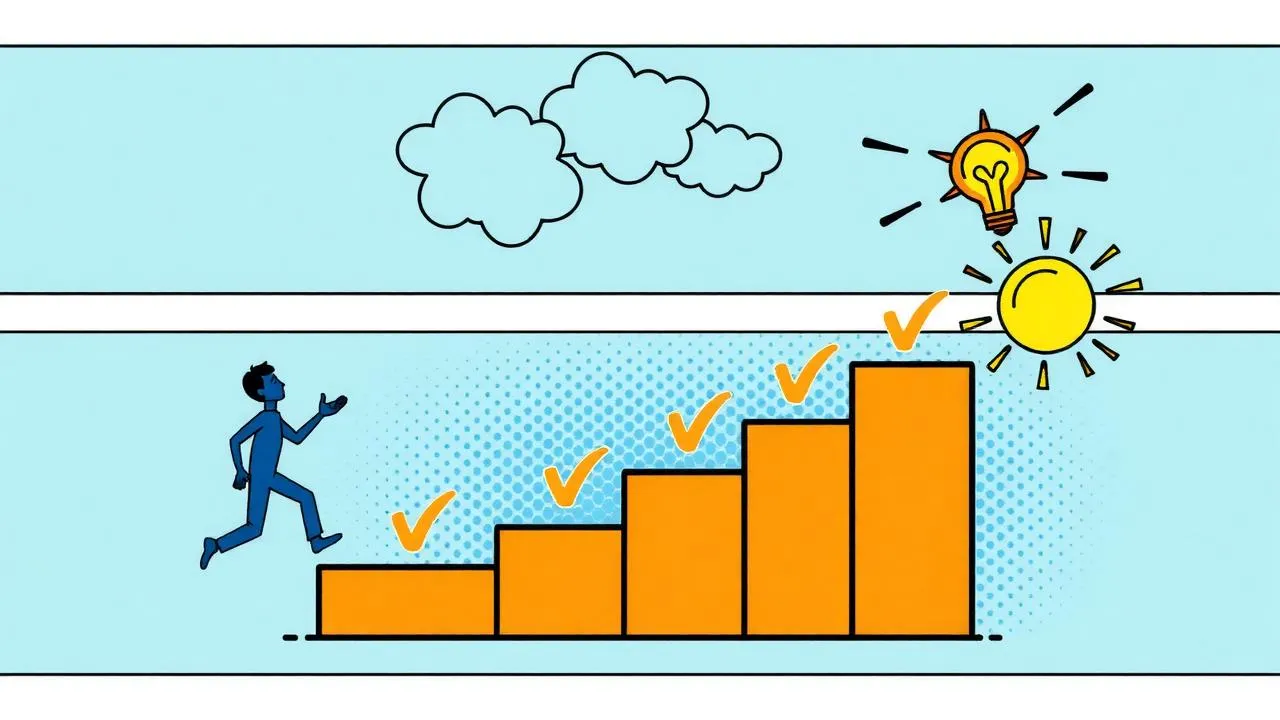
Taking baby steps means breaking those enormous challenges into tiny, manageable actions.
Instead of stressing about the entire task, you focus on just one small thing at a time, which helps reduce anxiety and makes the goal less scary.
Every small win builds your confidence and keeps you motivated to keep going.
This steady progress leads to lasting changes without burnout or setbacks, without feeling too harsh.
Start by picking a straightforward action you can do right now and celebrate it; these little wins add up big over time and make success possible.

- Jewelry Gifts for Women – Add personalization to gifts for your loved ones. This birthstone crystal necklace comes with an elegant white, silver-embossed jewelry box, making it an ideal present for mom, wife, sister, and girlfriend.
- Delicate Fashion Jewelry Gift that Fits – This woman’s necklace is adorned with a 0.75 x 0.88-inch peridot green birthstone crystal for August. They are rhodium plated and designed with an 18-inch chain plus 2-inch extender, and a lobster claw clasp.
- Strict Safety Standards – These birthstone charms and love gifts meet rigid safety standards. Our jewelry collections pass European 1907/2006 REACH Regulation Annex XVII Item 23,27, and 63, and are lead free, nickel free, and allergy free.All of our jewelry products are polished by hand.
- Crystal Necklace for Ladies Like You – Honor your inner royalty with this unique crystal heart pendant necklace. Presented by Miss New York – Nicole Kulovany, this heart necklace is a regal, symbolic statement piece that unveils your feminine spirit.
- Heart Necklaces with Birthstone Crystals – Our Infinity Love heart necklace for women is an original design from our studio in Boston and features a precious Austrian birthstone crystal. This classic yet innovative deisgn takes you across dimensions of time and space, the prosperity of life, and ultimately the triumph of love. It’s a perfect gift for women !

Last update on 2026-10-07 / Affiliate links / Images from Amazon Product Advertising API
Why Big Goals Often Feel Overwhelming

Big goals often feel overwhelming because they seem too large to tackle all at once, which can leave you feeling stuck. When your mind focuses on the whole challenge, it’s easy to get anxious or stressed, making it hard to know where to start.
Without a clear plan, the goal can appear confusing and impossible, causing fear of failure to grow and leading to procrastination.
Trying to do everything immediately often results in burnout and frustration, while the pressure to achieve quickly only adds to the mental load and saps motivation.
Comparing your big goals to others’ achievements can make the overwhelm worse, making progress feel slow or nonexistent.
This uncertainty about how to break down the goal keeps hesitation alive and discourages effort, trapping you in a cycle of stress rather than action.
- Big goals can seem too large to handle all at once, creating a feeling of being stuck.
- The mind often focuses on the entire challenge, which can cause anxiety and stress.
- Trying to complete everything immediately leads to burnout and frustration.
- Seeing a huge goal without a clear plan makes it hard to know where to start.
- Fear of failure grows when the goal feels impossible, causing procrastination.
- Lack of clarity about the steps involved makes the goal appear confusing.
- Pressure to achieve quickly increases mental load and reduces motivation.
- Comparing big goals to others’ achievements can amplify feelings of overwhelm.
- The uncertainty of how to break down the goal adds to hesitation.
- Without breaking down, progress feels slow or non-existent, which discourages effort.
What Does Taking Baby Steps Mean?

Taking baby steps means breaking a big goal into tiny, manageable actions that you can tackle one at a time. Instead of feeling overwhelmed by the whole project, you focus on just the next smallest thing you can do right now.
This approach lets you start immediately without needing much time or effort, which makes the task feel simpler and less intimidating.
By doing a little bit consistently, even if it’s just for a few minutes, you build a habit of steady progress that adds up over time.
Baby steps shift your mindset from ‘all or nothing’ to ‘something is better than nothing,’ helping you build confidence through small wins.
For example, if you want to learn a new language, memorizing just five words a day is a baby step that leads to real progress without pressure.
These small actions make the goal feel approachable, reduce stress, and create a foundation for lasting change by encouraging you to keep moving forward, no matter how slowly.
How Baby Steps Reduce Fear and Anxiety

When you focus on just one small action, the fear of the entire task starts to fade. Instead of feeling overwhelmed by everything you need to do, baby steps narrow your attention to what’s right in front of you.
This limited scope makes the process less intimidating and easier to manage.
Each tiny step you complete builds a sense of control, which naturally eases anxiety.
Breaking a big goal into smaller parts also reduces uncertainty, a major source of fear, by making the path clearer and more predictable.
Facing fears gradually through baby steps helps build tolerance over time, turning what once felt scary into something familiar and manageable.
Establishing a routine of small, doable actions creates a safe space for your mind, cutting down stress and preventing it from spiraling into worst-case scenarios.
Plus, every small win offers proof that progress is possible, which lowers worries about failing down the road.
This steady stream of successes encourages you to keep moving forward, reducing dread about future challenges.
Ultimately, baby steps teach patience, helping you accept that real change happens little by little, not all at once.
Turning Large Goals Into Manageable Tasks

When facing a big goal, the best way to make it feel doable is to break it down into smaller, manageable parts.
Start by clearly defining what you want to achieve so you have a clear target.
Then, slice that goal into specific, actionable tasks that you can realistically tackle one at a time.
For example, if your goal is to write a book, instead of focusing on the entire manuscript, break it into chapters or even paragraphs.
Use the SMART framework to guide your task creation: make each step Specific, Measurable, Attainable, Realistic, and Timely. This helps you stay focused and track progress.
Next, divide those tasks into daily or weekly mini-tasks that fit naturally into your routine, like writing 200 words a day or researching one topic per week.
Visual tools like mind maps can help you see how these pieces connect and keep your progress organized. Remember to focus on completing one small task at a time rather than juggling everything at once.
Don’t get stuck trying to perfect each step, progress matters more than perfection. Setting micro-milestones along the way gives you reasons to celebrate and keep motivation high.
And if your energy or schedule shifts, adjust your tasks to stay realistic and kind to yourself.
Taking these manageable steps consistently will build momentum, making even the largest goals feel within reach.

- 【Birthstone Necklace Symbolizing Love】: This love birthstone pendant necklace is highlighted by exquisite colored gemstones. Each birthstone is carefully selected and cut, and decorated with 14k solid gold to show its unique and luxurious charm. Worn as a birthstone necklace, it is rich in meaning.
- 【Heart Colored Gemstone Pendant】: Everyone has their own birthstone, you can choose 3 carat created Garnet, Amethyst, Aquamarine, Clean simulated diamond, Emerald, light Amethyst, Ruby, Peridot, Sapphire, Tourmaline,white opal,Citrine,Topaz
- 【Material&Size】: Pendant is 14k gold and Chain is 9k gold(More durable and less prone to breakage). Pendant size:13.5MMx9.9MM. Main stone weight: 3CT. Chain length: 16+1+1 inches adjustable.
- 【Ideal Gift Choice】: The necklace are packaged in a beautiful gift box. No one can resist owning a birthstone necklace, it is an ideal gift for yourself and your friends, wife and mom on holidays, birthdays, anniversaries, Mother’s Day and Christmas.
- 【Buy with confidence】: Our products have been quality tested before sale, please feel free to buy. To ensure your complete satisfaction, we offer 30 days free after-sales service for women’s jewelry. If you have any questions about your purchase, please feel free to contact us.
Last update on 2026-10-07 / Affiliate links / Images from Amazon Product Advertising API
Building Momentum Through Small Wins
Every small step you complete is more than just a task checked off, it’s a win that fuels your motivation.
These small wins create a positive feedback loop that encourages you to keep going, making it easier to take the next action.
When momentum builds, it lowers the resistance you might feel about starting, so each new step feels less daunting than the last.
Celebrating these victories, no matter how tiny, boosts your pride and helps solidify good habits, turning effort into a natural part of your routine.
Over time, consistent progress, even if it’s slow, adds up to meaningful change.
Small wins help you stay focused and block out distractions that could derail your progress.
They also increase your belief in your own abilities, which is key to building the confidence you need to tackle bigger challenges.
Momentum shifts your mindset from viewing progress as hard work to seeing it as ongoing achievement.
For example, if you’re learning a new skill, mastering one small concept at a time keeps you motivated and ready to take on more complex parts later.
Recognizing these small wins prevents discouragement that comes from staring at a big, distant goal.
Instead, you feel energized by your steady progress, making the path ahead clearer and more manageable.
Three Benefits of Baby Steps: Overwhelm, Confidence, and Change
Taking baby steps helps reduce overwhelm by letting you focus on just one small, manageable action at a time.
Instead of feeling buried under a huge goal, you narrow your attention to what you can do right now, which clears mental space and lowers stress.
This clarity often sparks creativity and better problem solving because your mind isn’t overloaded.
At the same time, each tiny step you complete builds confidence.
Those small victories prove progress is real and achievable, reinforcing your belief that you can succeed.
Over time, this growing confidence pushes you forward and replaces habits of procrastination and perfectionism with steady, consistent action.
Finally, baby steps make change sustainable.
Because you’re adapting slowly, your habits develop naturally and stick longer.
If setbacks happen, they’re easier to recover from since you’re only a small step off track, not derailed completely.
This gradual approach helps prevent burnout that often comes from trying to do too much at once, creating a balanced, less stressful path toward lasting transformation.
How Small Actions Lighten Your Mental Load

When you focus on one small task at a time, your mind feels less cluttered and stressed.
Instead of juggling a long list of things to do, tackling just one clear, simple action reduces the mental noise and prevents overwhelm.
Finishing even a tiny task quickly frees up mental energy, so you can think more clearly and stay productive.
Breaking big goals into bite-sized steps organizes your thoughts, which means fewer decisions to make all at once and less mental fatigue.
Each small win brings clarity, making it easier to spot the very next step instead of feeling stuck by a huge, unknown challenge.
This lighter mental load not only boosts your focus but also supports your emotional well-being, as you feel less anxious and more in control.
Plus, the mental space created by these small wins invites creativity and fresh ideas, helping you find better ways forward.
For example, if you want to clean your whole house but feel overwhelmed, starting with just clearing one countertop can make the task feel manageable and motivate you to keep going.
Over time, these baby steps turn into a routine that eases anxiety about what comes next and builds steady momentum toward your bigger goal.
Growing Confidence One Step at a Time
Every small step you complete is proof that progress is possible.
These little wins are powerful because they slowly replace doubt and fear with a positive inner voice, reminding you that you can succeed.
When you face challenges in manageable doses, your confidence grows naturally, making each new step feel less intimidating.
Small wins also reduce the fear of failure by showing you that setbacks aren’t the end; they’re just part of the process.
Over time, this steady progress builds resilience, preparing you for bigger obstacles ahead.
As your confidence strengthens, you’ll find yourself more motivated to take action, breaking free from procrastination and hesitation.
This gradual growth teaches an important lesson: consistency beats speed and perfection every time.
By celebrating each small victory, you create a positive cycle that fuels long-term motivation and keeps you committed to your goals.
For example, learning to play an instrument by practicing just five minutes a day may seem tiny, but those minutes add up and build real skill and belief in yourself.
Growing confidence through baby steps doesn’t happen overnight, but with patience and steady effort, it becomes a solid foundation for lasting success.

- GENUINE 14K GOLD: Crafted from solid 14k gold, hallmarked and stamped for authenticity. Features a natural 1.45 carat peridot set in precious, solid gold — not gold plated, not gold filled.
- ELEGANT DESIGN: Showcases a beautiful peridot with rich color and natural brilliance. Expert craftsmanship ensures the stone is securely set while maximizing its visual impact and sparkle.
- COMFORTABLE WEAR: Lightweight design sits beautifully against the neckline without feeling heavy. Features a secure lobster claw clasp for easy on and off. Hypoallergenic 14K yellow gold is gentle on sensitive skin.
- ELEGANT PRESENTATION: An unforgettable choice for anniversaries, birthdays, Valentine’s Day, Mother’s Day, Christmas, or any special occasion. Arrives in a premium Galaxy Gold jewelry box, ready to present to someone special.
- LASTING QUALITY: 14K gold is naturally resistant to tarnish and everyday wear. Simply clean with warm water and a soft cloth to maintain its brilliant shine. With proper care, this piece will remain beautiful for generations.
Last update on 2026-10-07 / Affiliate links / Images from Amazon Product Advertising API
Why Slow Progress Leads to Lasting Change
Slow progress is the secret ingredient for building lasting change because it lets habits form naturally without pressure or rushing.
When you take your time, you create space to learn from mistakes and tweak your approach, making sure your changes actually fit your lifestyle.
This gradual pace lowers stress and keeps burnout at bay, unlike quick fixes that often fizzle out since they don’t build strong habits or shift your mindset for the long haul.
Think of slow progress as laying a solid foundation: each small, steady step supports future growth and helps you stay patient, which is key for meaningful transformation.
Celebrating these small wins along the way not only keeps you motivated but reinforces the progress you’re making.
In the end, real change comes from consistent effort over time, not sudden leaps that can leave you overwhelmed or off track.
Start by Defining Your Ultimate Goal
Before taking any steps, it’s important to clearly define what you want to achieve.
Put your goal into simple, specific terms so it’s easy to understand and focus on.
For example, instead of saying “I want to get healthy,” say “I want to walk 30 minutes five days a week.”
Writing down your goal makes it real and helps you stay committed.
Think about why this goal matters to you personally; that motivation will keep you going when things get tough.
Using the SMART framework can make your goal even clearer: it should be Specific, Measurable, Attainable, Realistic, and Timely.
Breaking your goal into smaller parts lets you see exactly what’s involved and helps you plan your steps.
Decide on a timeline to give yourself a clear deadline while staying flexible enough to adjust as needed.
Also, consider what obstacles might come up and how you can handle them.
Keep your goal visible, like on a sticky note or a phone reminder, so it’s always in front of you.
Having this clear ultimate goal gives you direction and keeps you grounded, especially when progress feels slow or difficult.
Breaking Goals Into Tiny Actionable Steps

The first step in breaking down any goal is to clearly state what you want in simple, straightforward terms.
Once your ultimate goal is clear, divide it into smaller parts that feel doable and specific.
Instead of vague ideas like “get healthier,” focus on tiny, concrete tasks such as “drink one glass of water after waking up” or “walk for five minutes today.”
These small actions should be measurable and realistic, fitting into your day or week without overwhelming you.
Think about the time, effort, and resources each task requires, and use simple language to describe them so they’re easy to understand and follow.
It’s also important to consider any obstacles you might face and plan mini-steps around those challenges, keeping your list flexible so you can adjust as you learn what works best.
Remember, even the smallest step counts toward progress, taking that first tiny action today creates momentum that grows over time.
For example, if your goal is to learn a new language, start by memorizing just five words a day rather than trying to tackle entire lessons at once.
This approach not only makes the goal less intimidating but also builds confidence, reduces stress, and sets you up for steady, lasting change.
Picking Your Very Next Small Step

When you look at your list of tiny steps, the key is to pick the one you can do right now.
Choose something simple that takes minimal effort but still nudges you forward.
Waiting for the perfect moment often leads to delay, so act on the next best thing available.
Focus on just one step instead of juggling multiple tasks to keep overwhelm at bay.
Ask yourself, what small action feels easiest and quickest today?
If you’re feeling stuck, go for a step that gives you quick feedback or results, this can boost your motivation instantly.
Once you decide on your next step, celebrate that choice as your first real action.
Writing it down helps commit it to your plan and makes it feel more concrete.
Also, make sure this step fits your daily routine and energy levels so it doesn’t feel like a burden.
Remember, this step is just the start, not the entire journey.
For example, if your goal is to get fit, your very next step might be putting on your sneakers and walking around the block. It’s small, doable, and sets a positive tone for what comes next.
Celebrate Every Small Victory
Every small win deserves recognition, no matter how tiny it might seem.
When you celebrate immediately after completing a step, you reinforce the habit and boost your motivation.
Simple rewards like taking a short break, enjoying a small treat, or giving yourself a kind word can make a big difference in how you feel about your progress.
Sharing your victories with friends or a support group adds another layer of encouragement and accountability.
Keeping a journal or log of these moments helps you see how far you’ve come and reminds you that each success brings you closer to your bigger goal.
Don’t downplay these wins, celebrating them builds confidence and replaces perfectionism with positive reinforcement, making it easier to tackle the next step.
Think of each small victory as a building block in your journey, giving you the strength to keep moving forward.

- GENUINE 14K YELLOW GOLD: Crafted from solid 14K yellow gold, this amethyst jewelry piece is stamped and hallmarked for authenticity — not plated or filled. Pure through and through for enduring brilliance.
- NATURAL AMETHYST: Features genuine natural amethyst with a rich purple hue — the February birthstone. Each stone is carefully selected for its natural color and clarity — a unique expression of fine jewelry craftsmanship.
- COMFORTABLE WEAR: Lightweight pendant on a solid gold chain with a secure lobster claw clasp. Available in size 14. Perfect for everyday wear and special occasions alike.
- FINE JEWELRY FOR WOMEN: This piece arrives beautifully packaged in a premium jewelry box, ready for any special occasion. A timeless expression of elegance and craftsmanship, made to be treasured.
- QUALITY CRAFTSMANSHIP: 14k yellow gold is naturally resistant to tarnish and hypoallergenic for sensitive skin. Each piece is expertly crafted to showcase the amethyst’s natural color and brilliance in a refined, lasting setting.
Last update on 2026-10-07 / Affiliate links / Images from Amazon Product Advertising API
Practicing Patience and Kindness to Yourself
Meaningful change doesn’t happen overnight, so remind yourself that steady effort over time is what truly moves the needle.
When progress feels slow or you face setbacks, try to be gentle with yourself instead of slipping into harsh self-criticism.
Imagine you’re encouraging a good friend who’s working hard to improve, speak to yourself with that same kindness.
Baby steps are meant to support gradual, sustainable growth, so accept mistakes and delays as natural parts of the learning process.
It’s okay to take breaks and recharge when needed; resting isn’t failure, it’s part of staying balanced.
Notice if impatience or frustration starts creeping in, and challenge those feelings with kindness.
Celebrate your persistence, even if progress isn’t perfect, because patience builds resilience and lays the foundation for long-term success.
For example, if you’re learning a new skill and only manage a tiny step today, that small win still counts and keeps you moving forward.
Treating yourself with patience and kindness makes the journey more manageable and helps your motivation last through ups and downs.
Questions to Help You Find Your Baby Steps
Finding your baby steps starts with asking yourself simple, practical questions that make the goal feel doable right now.
Begin with: What is one tiny action I can take today toward my goal?
This keeps the focus on immediate progress instead of the whole journey. Next, consider what small effort fits into your current schedule without adding stress.
Sometimes the easiest step is the one that feels least intimidating or the one you can measure clearly, like spending five minutes on a task or writing down a single idea.
Think about where breaking down the task into smaller parts actually reduces your anxiety, that’s often where your baby steps live.
Ask yourself what quick win can boost your motivation early on; even a small success can build momentum.
Reflect on how you can simplify the task even more or what resources and support you might need to make that step easier. It also helps to remember past small wins you’ve had and how those can guide your next move.
Above all, pick a realistic step that doesn’t overwhelm you but moves you forward.
For example, if your goal is to get fit, a baby step could be putting on your sneakers and walking for just five minutes today.
These questions help turn big dreams into actions you can take today, building confidence and easing the path ahead.
Using SMART Goals to Set Clear Steps
Using SMART goals is a powerful way to turn your baby steps into clear, manageable actions.
Start by making each step Specific: define exactly what you want to do so there’s no guesswork.
For example, instead of saying “exercise more,” say “walk for 10 minutes after lunch.”
Next, ensure your steps are Measurable, so you can track progress easily.
This might mean counting the number of words you learn or the days you complete your walk.
Check that each step is Attainable with the resources you have right now. Don’t plan to run a marathon if you’ve never jogged before.
Keep your steps Realistic by considering your available time, energy, and tools; a 10-minute walk fits more easily into a busy day than an hour-long workout.
Lastly, set Timely deadlines or timeframes to keep yourself focused, like committing to that walk every weekday this week.
Writing your steps down using these SMART guidelines helps keep your goals clear and prevents drifting off track.
As you progress, review and adjust your steps to fit your growing skills and circumstances.
This approach not only keeps you focused but also makes celebrating progress simple, each completed SMART step is a win that builds momentum for the next one.
| SMART Criteria | Description |
|---|---|
| Specific | Define exactly what you want to achieve. |
| Measurable | Make sure progress can be tracked clearly. |
| Attainable | Ensure you have the resources to take steps. |
| Realistic | Allocate feasible time and energy for each step. |
| Timely | Set deadlines or timeframes to maintain focus. |
How Daily Small Tasks Fit Your Lifestyle
To make baby steps work for you, start by picking tasks that naturally fit into your daily routine and habits.
For example, if you usually have a coffee break in the afternoon, use that time to do a quick 5-minute stretch or jot down a note related to your goal.
It helps to consider your energy patterns too: schedule tasks when you feel most alert or motivated, whether that’s in the morning or after lunch.
Keeping tasks short and simple means they won’t disrupt your day or add stress. Combining baby steps with activities you already do saves time and effort, like practicing a new word while commuting or doing a breathing exercise while waiting in line.
On busy or low-energy days, adjust your tasks to be even smaller or swap them out for something lighter, so you keep moving forward without pressure.
Using reminders or alarms can gently prompt you to take action without feeling forced.
The key is to start with a tiny time commitment, maybe just a couple of minutes, to build a steady habit.
Also, allow yourself flexibility to switch tasks depending on your mood or needs; baby steps are about progress, not perfection.
Think about how each small task supports your bigger lifestyle goals, whether it’s better health, learning, or managing stress.
Check in with yourself regularly to see how well your daily tasks fit your life and tweak them as needed to keep things smooth and motivating.
Focusing on Daily Progress Over the Big Picture

It’s easy to get overwhelmed when you keep your eyes fixed on a distant goal that feels huge and far away. Instead, focus on what you can do today.
Concentrating on small, daily steps helps lighten the pressure and makes progress feel more manageable.
Think of your big goal as a map that guides you, but remember it doesn’t control each day’s journey.
By breaking that goal into tiny, doable actions, you create micro-milestones that add up steadily.
Each small win builds momentum, giving you motivation to keep going without rushing or stressing about perfection.
For example, if you want to get healthier, start by drinking one extra glass of water each day rather than overhauling your whole diet at once.
Celebrate that simple habit, enjoy the feeling of progress, and trust that these consistent small actions will create lasting change.
Over time, daily wins build resilience and confidence, making your big picture feel less intimidating and more achievable.
Mind Mapping as a Tool for Baby Steps

Mind mapping is a great way to break down big goals into small, doable steps.
Start by placing your main goal in the center and then branch out with smaller tasks that lead you closer to that goal.
You can add notes, details, and ideas to each branch, which helps clarify what needs to be done next.
As you learn more or make progress, rearrange and update your mind map to keep it fresh and relevant.
Using colors or symbols to mark priorities or completed tasks makes it easier to see what’s important and what you’ve already accomplished.
Mind maps give you a clear snapshot of your journey, reducing overwhelm by organizing your thoughts visually.
They also help you spot connections or opportunities between different steps that might not be obvious otherwise.
Keeping your mind map accessible allows you to review and adjust plans regularly, supporting flexible and creative thinking.
This way, mind mapping not only breaks your big goal into manageable baby steps but also keeps you motivated and on track for steady progress.

- GENUINE 14K ROSE GOLD: Crafted from solid 14K Rose Gold, stamped and hallmarked for authenticity. This necklace features Blue Topaz, Peridot in a fine jewelry setting.
- NATURAL BLUE TOPAZ: Features a stunning blue topaz with clear sky-blue and exceptional brilliance. Blue Topaz is the December birthstone.
- NECKLACE DETAILS: Available in 24-inch length. Features a secure spring ring clasp for easy wear. The delicate chain complements the pendant beautifully for an elegant everyday look.
- GIFT-READY PACKAGING: Arrives in a velvet gift box, ready to present. Blue Topaz is the December birthstone — a meaningful gift for birthdays, anniversaries, Mother’s Day, Valentine’s Day, or Christmas.
- HANDCRAFTED QUALITY: Created by skilled artisans with decades of fine jewelry experience. 14K Rose Gold is naturally resistant to tarnish and hypoallergenic for sensitive skin. Simply clean with warm soapy water and a soft cloth to maintain its brilliant shine for years to come. Made in USA.
Last update on 2026-10-07 / Affiliate links / Images from Amazon Product Advertising API
Preventing Burnout With Small Consistent Actions

Burnout often hits when we try to do too much all at once, leaving us exhausted and overwhelmed.
Taking small, consistent actions helps avoid this by building stamina without draining your energy.
When you focus on manageable steps instead of giant leaps, it’s easier to recover from setbacks because each step feels less risky and more doable.
Regularly achieving small wins keeps your motivation steady and stops frustration from creeping in. It’s important to ditch all-or-nothing thinking and remember that consistency matters more than intensity.
Breaking tasks into bite-sized pieces prevents mental overload and helps you stay focused.
Don’t forget to include rest and self-kindness in your plan; those moments of pause are as crucial as the actions themselves.
Pay attention to early signs of burnout like fatigue or irritability, and adjust your pace before it’s too late.
Celebrating your persistence, even in tiny victories, encourages a healthy, sustainable effort that builds resilience.
These small, manageable steps aren’t just easier to maintain; they lead to long-term success and make your journey feel less like a sprint and more like a steady, rewarding walk.
Recovering Quickly From Small Setbacks

Setbacks are just part of the baby step journey, not signs of failure. Instead of getting stuck on what went wrong, focus on the very next small action you can take.
Every stumble is an opportunity to learn and adjust your approach for future steps.
Because baby steps are small by design, setbacks usually have less impact, making it easier to bounce back.
Be patient and kind to yourself during these moments to avoid getting discouraged.
Remember to celebrate the small wins you’ve already achieved; they build confidence and remind you of your progress.
Keep a growth mindset: setbacks mean you’re trying and moving forward.
When a step feels too big, break it down even more to manageable pieces.
Accept that mistakes happen and let go of perfectionism; real growth comes from steady persistence.
Use setbacks as motivation to keep going with consistent, small progress rather than giving up.
For example, if you miss a day of learning a new skill, simply plan a smaller task for the next day and celebrate getting back on track.
Replacing Perfectionism With Steady Progress
Perfectionism can often trap us in a cycle of procrastination and overwhelm because we feel like nothing is good enough unless it’s flawless.
Instead of waiting for the perfect moment or perfect outcome, focus on completing the very next tiny step.
Breaking your goals into the smallest possible actions takes the pressure off and makes progress feel doable. Remember, each small win is real progress, not just a partial attempt.
Using the SMART framework can help set clear, realistic tasks that fit your current resources and schedule.
Allow yourself to make imperfect attempts, knowing they still move you forward and build momentum.
Tracking your progress over time reveals how consistent small efforts add up, proving that steady progress beats waiting for perfect timing or occasional bursts of high effort.
Replace all-or-nothing thinking with patience and flexibility, understanding that gradual improvement creates lasting change that perfectionism rarely achieves.
For example, if you want to write a book, start by writing just one sentence a day.
That imperfect sentence is a step forward, not a failure.
Celebrate these moments and watch how they build confidence and resilience on your journey.
Real-Life Examples of Baby Step Success

Taking baby steps might sound simple, but its impact is powerful, as shown by real-life examples.
Learning a language by memorizing just five words a day might seem tiny, but over a year, that adds up to nearly 2,000 words.
That steady growth beats cramming and feels more manageable.
Similarly, starting an exercise routine with only five minutes daily helps build both habit and stamina without feeling intimidating.
This small action creates a foundation for longer workouts later.
When it comes to money, saving a small amount weekly might seem insignificant, but over time it compounds into a meaningful fund.
It’s the same with reading: committing to one page a day allows you to finish many books in a year without pressure or burnout.
Large projects become less stressful when broken into daily small tasks, preventing overwhelm and making steady progress inevitable.
Micro-actions like drinking a glass of water first thing each morning build healthy hydration habits that stick.
Improving sleep by shifting bedtime by just five minutes each night can lead to better rest gradually, showing how small tweaks add up.
Even practicing deep breathing for a single minute daily reduces stress and fosters calmness over time.
Writing one sentence a day might seem trivial, but over weeks, it grows into a full journal or blog.
Cooking one new recipe per week introduces variety and skill without causing kitchen burnout.
These examples prove that tiny, consistent steps create real change.
They show how baby steps turn daunting goals into doable habits, making progress feel achievable and even enjoyable.

- 18kt yellow gold over sterling silver, multi-stone necklace for women.
- 10.00 ct. t.w. amethyst, 1.20 ct. t.w. rhodolite, 1.70 ct. t.w. topaz. Graduates from 1/8″ to 5/8″ wide, chain size – 2.5 mm.
- Lobster clasp has a spring mechanism for sturdy security.
- Pear shape purple amethyst, round shape white topaz and round shape purple rhodolite. Polished 18kt yellow gold over sterling silver.
- Due to the naturally occurring characteristics of gemstones, each is unique and may exhibit imperfections such as inclusions , blemishes and cloudiness, as well as color variations.
Last update on 2026-10-07 / Affiliate links / Images from Amazon Product Advertising API
Building New Habits With Minimal Actions
Starting a new habit can feel easier when you focus on the smallest possible action.
For example, instead of committing to a full workout, just put on your workout clothes first.
That tiny step lowers the barrier and sets the stage for the bigger action.
The key is to show up consistently every day, even if the effort is minimal.
It’s not about intensity or volume at the start, but about making the habit automatic by linking it to triggers in your environment, like placing your running shoes by the door to remind you.
Celebrating these micro-actions, even with a simple “yes” or a mental high-five, helps build positive feedback loops that encourage you to keep going.
Only when the small habit feels natural should you slowly increase its size.
Tracking your progress visually, like checking off each day on a calendar, keeps motivation high by showing your streak of small wins.
It’s also important to focus on one habit at a time rather than overwhelming yourself with too many changes, and pairing new habits with existing routines makes them easier to stick with.
Patience plays a big role here, accepting that slow and steady progress is normal helps you avoid frustration.
Finally, replacing old habits with tiny, positive actions works better than relying on willpower alone, making change feel manageable and lasting.
Why Patience Matters for Meaningful Change

Meaningful change doesn’t happen overnight, and patience is what makes steady progress possible.
Quick fixes might feel good at first but usually don’t last because real growth takes time to build.
When you’re patient, you avoid burning out or getting discouraged by the natural ups and downs of any journey.
Small daily actions might seem tiny, but they add up like compound interest, creating noticeable results only after consistent effort over weeks or months.
Patience also helps you stay motivated through setbacks, which are a normal part of any process.
Instead of getting frustrated and quitting, you learn to be kind to yourself and keep going.
This kindness supports your effort by reducing self-criticism and making the journey feel more manageable.
Slow and steady growth builds solid habits and skills, unlike quick bursts of energy that fade fast.
Pairing a long-term vision with daily baby steps keeps your focus realistic and grounded, steering you away from the trap of instant gratification that often undermines progress.
Trusting the process, even when results are not immediate, keeps your momentum going and builds confidence that eventually, your small wins will lead to big success.
Applying Baby Steps to Different Life Areas
Baby steps can be applied to nearly every part of life, making big changes feel doable.
In personal development, you might start with just one small reflection or reading each day instead of overwhelming yourself with long books or courses.
When learning something new, breaking subjects into micro-lessons or short practice sessions helps keep focus sharp and progress steady.
Health goals become easier by beginning with simple actions, like drinking an extra glass of water daily or walking for five minutes.
Financial progress can start by saving a small, fixed amount regularly, which feels less daunting than trying to stash large sums sporadically.
Emotional healing often begins with tiny acts such as journaling a single sentence or practicing one positive thought each day.
For career growth, connecting with just one new person per week or learning a small piece of a skill bit by bit builds momentum without pressure.
Household organization becomes manageable by tackling one drawer or shelf at a time, avoiding the stress of a whole-room overhaul.
Relationships improve through small daily gestures like sending a quick message or showing appreciation, which add up to stronger bonds.
Creative projects move forward when you dedicate just five minutes a day, proving consistent effort beats waiting for big blocks of free time.
Spiritual and mindfulness habits grow through brief daily moments of meditation or gratitude, creating calm without overwhelming your schedule.
These small steps, customized to your life, reduce stress and build confidence because they fit naturally into your routine.
Each tiny action may seem minor alone, but together they spark lasting change that feels less intimidating and more achievable.
The Compound Effect of Small Consistent Gains

Think of progress like compound interest: small, consistent actions stack up over weeks, months, and years to create exponential growth.
It’s not about how intense your effort is in one go, but how steady you are every day.
When you build tiny habits, you create momentum and a habit loop that keeps you moving forward almost effortlessly.
Each small win boosts your confidence and belief in your ability, making it easier to tackle the next step.
Whether you’re improving a skill, your health, finances, or personal growth, these tiny gains add up to major changes down the road.
Tracking your progress helps you see this compounding effect in action and keeps your motivation high, even if you miss a day or two here and there.
The power of starting small is that it beats waiting for the perfect moment or readiness.
Understanding this effect encourages patience and steady action instead of quick fixes, proving that slow and steady truly wins the race.
Small Daily Actions vs. Occasional Big Efforts
Small daily actions are like building blocks that steadily push you forward, while big efforts often come with the risk of burning out quickly.
When you commit to small steps every day, you create momentum that feels manageable and natural, making progress almost automatic over time.
Think about learning a language by memorizing just five words daily; it’s easy to fit into your schedule and keeps motivation high because your brain loves frequent wins.
On the other hand, big, occasional pushes might bring quick results but are tough to maintain and can leave you feeling discouraged when the initial excitement fades.
Small actions reduce overwhelm and procrastination since they don’t demand huge energy or time, allowing you to recover faster if things don’t go perfectly.
Plus, they offer flexibility to adjust your path as you go, unlike rigid big efforts that often feel like all or nothing.
Keeping your goals visible through daily progress strengthens your commitment and builds resilience, turning steady, manageable steps into lasting success.

- 14kt yellow gold, citrine and diamond necklace for women.
- 7.00 ct. t.w. citrine, 0.11 ct. t.w. diamond. Chain size – .8 mm.
- Springring clasp for safety and security.
- Yellow citrine and single-cut round diamond. Polished 14kt yellow gold.
- Due to the naturally occurring characteristics of gemstones, each is unique and may exhibit imperfections such as inclusions , blemishes and cloudiness, as well as color variations.
Last update on 2026-10-07 / Affiliate links / Images from Amazon Product Advertising API
Shifting From Instant Gratification to Steady Growth
In a world where instant gratification is everywhere, it’s easy to expect quick rewards and feel frustrated when results don’t come fast.
But chasing fast wins often hurts long-term progress because it skips the steady work that builds real change.
Taking baby steps teaches us patience by focusing on slow, consistent improvement.
When you practice small wins daily, you build a tolerance for waiting and develop persistence, which are key to lasting success.
Instead of impulsively jumping for quick fixes, replacing those actions with tiny, intentional steps creates stronger habits that stick.
Celebrating micro-successes along the way offers regular positive reinforcement, making the journey rewarding without shortcuts.
This mindset shift also helps curb procrastination, which often comes from fearing slow progress.
Steady growth fits better with how life really works and supports sustainable achievement, so valuing the process over immediate results makes you more resilient and less likely to quit.
For example, learning a new skill by dedicating just five minutes every day might seem slow, but over time, those minutes add up to meaningful mastery.
Understanding that meaningful change takes time reduces frustration and helps keep you moving forward, one small win at a time.
Reflecting and Adjusting Baby Steps for Momentum
Regular reflection is key when taking baby steps because it helps you see what’s working and what might need a tweak.
Taking a moment to ask yourself, “What one small step can I take today to keep moving forward?” keeps you focused and intentional.
If a step feels overwhelming, don’t hesitate to break it down even further, smaller actions can reduce stress and make progress feel manageable.
On the other hand, if a step feels too easy, you can bump it up a bit to keep yourself challenged and motivated.
Tracking your successes and setbacks gives you valuable insight into your growth pattern, helping you celebrate progress and stay motivated.
Reflection also prevents you from getting stuck in a rut by encouraging continuous improvement and flexibility.
Being open to adjusting your approach based on experience ensures your baby steps stay aligned with your ultimate goal.
Simple questions like “What did I learn?” and “What’s next?” can guide your reflections and help you sustain momentum.
By combining reflection with adjustment, you build confidence and keep your progress moving steadily forward, turning small wins into lasting change.
How Small Wins Build Your Belief in Success
Small wins play a powerful role in shaping how we see ourselves and our chances of success.
When you focus on one manageable action instead of the whole overwhelming goal, it reduces anxiety and makes things feel doable.
Each time you complete a small step, it acts like proof that you can succeed, which gently builds your confidence over time.
This growing confidence fuels positive momentum, making it easier to take on the next task without hesitation.
Celebrating these small victories is key because it reinforces your motivation and strengthens your belief that success is within reach.
Over time, these accumulated wins develop your self-efficacy, the belief in your own ability to achieve what you set out to do.
Instead of being held back by fear of failure, you start to see progress and achievement, which shifts your mindset from doubt to possibility.
Think of it like compound interest: small, consistent gains add up and multiply, turning tiny steps into big results eventually.
This approach also encourages persistence, helping you keep going even when setbacks happen, because each small win reminds you that progress is possible and worth pursuing.
Creating Micro-Milestones and Celebrating Them

Breaking your big goal into micro-milestones makes progress feel more visible and manageable.
These micro-milestones are the smallest steps you can realistically achieve that move you closer to your final goal.
For example, if your goal is to write a book, a micro-milestone could be writing 200 words a day instead of focusing on the entire manuscript.
Setting daily or weekly micro-milestones fits smoothly into your schedule and lifestyle, which helps keep momentum without overwhelming you.
Celebrating each small win adds joy and positive energy to the process, this can be as simple as giving yourself a mental pat on the back, taking a short break, or sharing your progress with a friend.
These little celebrations create positive reinforcement that encourages you to keep going.
Tracking your micro-milestones visually, like checking off tasks on a list or marking them on a calendar, makes your progress concrete and boosts motivation.
Plus, adjusting these milestones as you learn what pace and resources work best for you keeps the process realistic and flexible.
Each micro-milestone you achieve lightens the psychological load of your larger goal and helps prevent burnout by providing regular feelings of accomplishment.
Over time, the habit of celebrating these small wins rewires your brain to appreciate steady progress, making your journey not just productive but also rewarding.
Keeping the Big Goal Without Getting Overwhelmed
Keeping your big goal in sight is important, it acts like a guiding star that keeps you moving forward.
But it’s easy to feel overwhelmed if you focus too much on the entire journey all at once.
To avoid this, break your big goal into the smallest possible steps.
For example, instead of thinking about “getting fit,” start with something tiny like doing a five-minute stretch each morning.
Focus all your energy on that next immediate action, not the whole path ahead.
Tools like mind maps or simple lists can help you organize these steps clearly, so your mind doesn’t get cluttered with too much at once.
Prioritize what you can realistically do today, keeping your tasks manageable and matched to your daily life.
Remember, progress takes time and it’s okay to make mistakes or adjust your plan along the way.
Don’t let perfectionism hold you back, valuing progress over flawless execution helps you keep moving.
Reflect regularly on how your daily actions connect to your big goal to stay motivated and grounded.
This way, many small wins add up naturally, making your big achievement feel less intimidating and more within reach.

- black pearl necklace pendant is made of 18K Gold Plated 925 sterling silver,Electroplating three layers whose silver part is not oxidized easily, remaining radiant, use Imported Eight stars and eight arrows AAAAA+ Cubic Zirconia. Nonnyl Tahitian Black Pearl Phoenix Pendant Necklace 10-11mm Round Women Silver Necklace Women’s Pendant,matching a free 18 inches cable chain.
- Attention pleases: Most Tahitian Pearl Jewelry pearls that are identified as “black” are actually charcoal grey or dark green. All pearls are imported from Tahiti, each Tahitian pearl necklace has official certification.black natural pearl pendant necklace jewelry for women anniversary gifts for her
- NONNYL Tahitian pearl necklace is the ultimate jewelry for women, also as Christmas gifts Christmas Pearl Pendant Necklace, Mothers day gifts for mom , Birthday gifts for women, Wedding anniversary gifts for wife girlfriend best unique thanksgiving gifts from daughter son romantic love valentines day gifts for her ladies or simply, “Just Because”, ensuring smile on your loved one’s face Ladies Fashion Necklace.
- Pearls are a chemical and an organic gem that require specialized care. They deteriorate in contact with chemicals like household cleaners, perfumes, cosmetics, and any hair care product of all kinds. A good rule of thumb is that your pearls are “The Last Thing You Put On”, when dressing, and “The First Thing You Take Off”, when you get home. The surface of a pearl is soft and can be easily damaged, store it inside a well made jewelry box for safe wedding anniversary gifts for her keeping.
Last update on 2026-10-07 / Affiliate links / Images from Amazon Product Advertising API
Building Resilience Through Steady Progress
Building resilience is all about facing challenges and bouncing back, and steady progress plays a huge role in this.
When you take small steps every day, you’re proving to yourself that obstacles can be overcome bit by bit.
This approach makes setbacks less discouraging because one small slip doesn’t undo all your efforts.
Each baby step you take, no matter how tiny, strengthens your mental toughness and helps you keep moving forward.
Over time, you learn to accept slow progress without frustration or the urge to quit, which builds true resilience.
For example, if you’re trying to improve your fitness, starting with a 5-minute walk daily can help you handle days when motivation dips, rather than feeling like you’ve failed completely.
Facing obstacles through small wins also sharpens your problem-solving skills, making you better prepared for future challenges.
Plus, consistently making progress, even if gradual, boosts your confidence, and that confidence becomes a powerful source of resilience during tough times.
The key is patience: steady, manageable steps reduce stress and burnout, helping you adapt and adjust your approach as needed.
Remember, resilience grows from persistence, and baby steps naturally encourage this habit by making progress feel doable and less overwhelming.
Laying a Foundation for Lasting Change
Lasting change doesn’t happen overnight; it grows through steady, small actions that build new habits over time.
By starting with baby steps, you focus on simple, doable tasks that feel manageable instead of overwhelming.
This approach makes it easier to stick with routines because each tiny success strengthens the brain’s pathways that support those new habits.
When you celebrate these small wins, it reinforces your commitment and builds confidence to keep going.
Breaking a big change into micro-tasks lowers resistance and helps you move forward without feeling stuck.
Patience is important here since meaningful progress requires repeated effort and time.
Tracking your steps keeps you aware of how far you’ve come and encourages you to continue.
These small wins give you a sense of control and ownership over your journey, creating a strong foundation that supports long-term success far better than trying to make sudden, drastic changes.
For example, if you want to improve your fitness, starting with just five minutes of daily stretching can gradually grow into a full workout routine, making the change sustainable and less intimidating.
Taking Many Small Steps Beats One Big Leap
Taking many small steps often beats trying to make one big leap because it makes the whole journey feel less scary and more doable.
When you break your goal into manageable pieces, each step feels achievable, which lowers the risk of feeling overwhelmed and gives you a better chance to keep going.
Big leaps can cause stress and lead to procrastination or quitting because the task feels intimidating.
Small steps, on the other hand, build momentum slowly but surely, helping you stay motivated over time.
They also let you learn and adjust your approach as you move forward, so you’re improving with each step instead of risking a major failure.
Plus, if you hit a minor setback, it’s easier to recover quickly without losing all your progress.
Doing little actions every day adds up to much more progress than trying to push yourself hard in occasional bursts.
This steady pace keeps you from burning out and helps you maintain a healthy balance between effort and rest.
Breaking your goals into small parts also makes your plan flexible, so you can adapt when life throws curveballs.
Small steps create a routine and rhythm that make consistency easier to keep.
Most importantly, choosing small steps encourages you to start now instead of waiting for the perfect moment that might never come.
For example, if you want to get fit, instead of committing to an intense workout plan right away, start with a five-minute walk each day.
That simple step builds confidence and sets you up for bigger wins later on.
Remember, slow and steady progress beats the risk of stumbling by trying to do too much at once.
Identify a Simple Action to Start Today

The best way to get moving toward your goal is to pick the very next smallest thing you can do right now.
It should be something that feels achievable, requires little time, and demands minimal effort or resources.
This tiny action breaks the initial resistance and creates momentum instantly.
For example, writing one sentence if you want to start a project, stretching for two minutes if you’re aiming to be more active, or making a single phone call if you’re working on networking.
Don’t fall into the trap of overthinking or waiting for the perfect moment to begin. Focus on what’s within your control today instead of worrying about the unknown future.
Starting is often the hardest step, and completing this first small action sets a positive tone for everything that follows. Keep your steps clear and specific to avoid confusion or delays.
Remember, simply starting is a success worth celebrating, no matter how small it may seem.
Celebrate That First Step and Plan the Next
Taking that first baby step is a moment worth celebrating.
Even a simple “I did it” or jotting it down in a journal can spark pride and boost your motivation.
This positive feedback makes it easier to repeat the action and slowly build a habit.
After you’ve acknowledged your success, it’s essential to plan your next small step.
Keeping these actions as manageable as possible helps maintain your confidence and momentum.
Planning also reduces decision fatigue, allowing you to stay focused without feeling overwhelmed.
Use your celebration time to reflect on what went well and what could be improved, which makes each step more effective than the last.
Sharing your win with a friend adds an extra layer of accountability, giving you a little cheer squad to keep you going.
Tracking your progress with a record of these small wins helps you see just how far you’ve come, making the journey feel rewarding.
You can even tie celebrations to little rewards or breaks to make the whole process more enjoyable and something you look forward to.
This combination of celebration and forward planning creates a steady rhythm that turns small wins into lasting success.
Patience and Persistence Make Big Change Inevitable
Meaningful change doesn’t happen overnight; it takes patience to stay steady and avoid frustration when progress feels slow or invisible.
Persistence is about showing up day after day, taking those small actions even when you don’t see immediate results.
Think of it like compound interest: tiny consistent efforts add up over time, growing into something much bigger than you might expect.
Patience helps reduce stress by shifting your focus away from quick wins and toward steady, long-term growth, while persistence builds the discipline needed to achieve your long-term goals.
It’s essential to view setbacks as a natural part of the journey and not let them discourage you.
Keeping your attention on the process rather than just the outcome keeps motivation alive, and celebrating small progress regularly fuels your enthusiasm.
Remember, taking consistent baby steps prevents burnout and supports lasting change.
Over time, these small, steady actions create a foundation for powerful, lasting transformation that feels achievable and sustainable.

- 【Tree of Life Birthstone Necklaces】The Tree of Life is associated with everything. The Tree of Life necklace symbolizes growth and strength, rebirth, a bright future, good health and a new beginning in life. The combination of the Tree of Life and the heart birthstone symbolizes everlasting love and strength.
- 【925 Sterling Silver Ruby Necklace】This Tree of Life July Birthstone necklace is made of 925 sterling silver plated with white gold. All metals we use are lead-free, nickel-free and hypoallergenic. It is safe and comfortable to wear.
- 【Crystal Necklace Specifications】Carefully crafted with Austrian crystal. Tree pendant size: 25.2mm*20.7mm (0.99in*0.87in). Adjustable chain length: 45+5cm (18+2in). Clasp type: lobster claw.
- 【Birthday Gifts for Her】This silver family tree necklace with rubies is a unique and heartfelt piece of fashion jewelry. You can make a birthstone gift for someone you love. Our jewelry is a sentimental surprise and a great gift for Birthday, Anniversary, Valentine’s Day, Mother’s Day, Christmas or wedding celebrations.
- 【Great Service】If you have any questions about TOUPOP jewelry, please contact us, we will answer within 24 hours and try our best to solve the problem for you.
Last update on 2026-10-07 / Affiliate links / Images from Amazon Product Advertising API
Frequently Asked Questions
1. Why is starting with small wins significant when trying to build new habits?
Starting with small wins helps you avoid feeling overwhelmed and builds confidence. When you accomplish tiny goals, it sets a positive momentum that encourages you to keep going, making bigger changes feel more manageable over time.
2. How can breaking tasks into smaller steps improve my motivation?
Breaking tasks into smaller steps makes them feel less intimidating and easier to approach. Each small success releases a bit of satisfaction, which boosts your motivation and keeps you moving forward instead of procrastinating.
3. What are some simple ways to identify which small steps I should take first?
Look for actions that feel doable and require the least effort. Consider what helps you build your routine or progress without causing stress. These could include setting a timer for five minutes or preparing materials in advance, anything that gets you started immediately.
4. How do I stay consistent with small wins even when I’m busy or tired?
Focus on making your small steps flexible and realistic. When you’re busy or tired, adjust the step to be even smaller, like doing one minute instead of ten. This keeps you connected to your goals without adding pressure, so consistency becomes easier to maintain.
5. Can small wins really lead to significant changes, or do I need to push harder?
Small wins accumulate over time, creating a strong foundation for lasting change. By celebrating small successes regularly, you naturally build habits that stick. While pushing harder can help sometimes, consistent small steps often lead to bigger results with less stress.
Feeling overwhelmed by big goals?
Break them down into manageable steps: small actions that reduce fear and boost confidence. Focus on your very next task instead of the whole project, celebrate each small win, and practice patience.
Using tools like SMART goals and mind maps can help organize your progress. This steady approach prevents burnout, builds resilience, and leads to lasting change by turning tiny wins into significant achievements.
Start today with a straightforward step, celebrate it, and keep moving forward, small consistent actions make significant results inevitable.