Mastering the Art of Saying No: A Guide to Graceful Refusals

Saying no can feel really tough because we worry about hurting feelings or causing conflict.
Many of us avoid it to keep the peace, but that often leads to burnout and frustration.
Saying no kindly means honoring your own limits while respecting the person asking. It’s okay to pause before answering so you can think about your priorities instead of saying yes too quickly.
Starting with gratitude, such as “Thank you for asking,” creates warmth before a clear but simple reason is explained as to why you can’t help right now.
Standing firm calmly, showing empathy when needed, and offering alternatives helps maintain a respectful and positive atmosphere for everyone involved.

- The meaning behind the Flower of Life symbol is that it is believed to represent the cycle of creation. It depicts how all life comes from one singular source – represented by the circle in the middle of the pattern.
- Flower of Life symbolism has become more and more prominent within New Age groups and movements. It holds a deep spiritual meaning that many people of varying religions and cultures have derived more specific beliefs and sentiments from. The Flower of Life provides enlightenment to those who study the symbol and its perfect form.
- The Flower of Life is used as a healing symbol. It is often worn as a necklace or amulet to promote the harmony of the personal energy, because it raises the energy frequency and thus increases physical and mental well-being
- Reminds you of the sacred It keeps you in touch with the spiritual realm. Wearing items with spiritual symbols is a way to keep you in touch with your values and aspirations.
Last update on 2026-09-25 / Affiliate links / Images from Amazon Product Advertising API
Why Saying No Feels Hard and What It Means for You

Saying no often feels tough because it can stir up feelings of guilt or fear that you might disappoint others.
Many worry that refusing a request could harm relationships or spark conflict, making the act feel risky.
This fear is natural since adverse reactions can feel unsafe or threatening.
Additionally, there’s often internal pressure to be helpful and agreeable, which can clash with the need to set boundaries.
Social norms usually favor cooperation, so saying no can sometimes feel like breaking an unspoken rule.
Personal values like kindness or dependability might also make it harder to refuse, especially if you see yourself as someone who’s always there for others.
If you haven’t practiced saying no much, it can feel awkward or uncomfortable, and avoiding it may seem easier in the moment.
But this avoidance can lead to long-term stress and overwhelm. Understanding these feelings is the first step to addressing the root causes.
Once you recognize why it’s difficult, you can start building confidence and comfort around saying no in a way that respects both your needs and the feelings of others.
- Saying no can trigger feelings of guilt or fear of disappointing others, making it an emotionally challenging decision.
- People worry that refusing requests might harm relationships or lead to conflict.
- Adverse reactions from others can make saying no feel risky or unsafe.
- Internal pressure to be helpful or to appear agreeable adds to the difficulty.
- A fear of missing out or losing opportunities can prompt people to say yes instead.
- Saying no challenges social norms that favor cooperation and compliance.
- Personal values, such as being kind or dependable, can conflict with the need to set limits.
- A lack of practice or confidence in refusing can make it feel awkward or uncomfortable.
- Avoiding no may seem more effortless in the short term, but it can create long-term stress.
- Understanding these feelings helps to address the root causes and become more comfortable saying no.
How Avoiding No Leads to Resentment and Burnout

When you avoid saying no, it often feels like the easier path, but over time, it sets you up for exhaustion and frustration. Consistently saying yes to every request pulls you in too many directions, leaving little room for rest or self-care.
This overcommitment drains your energy and can quickly lead to burnout, a state of chronic stress where your body and mind struggle to keep up.
Ignoring your own limits blurs your priorities, making it harder to focus on what truly matters to you.
As your plate fills beyond capacity, feelings of overwhelm grow, which in turn lower your productivity and increase irritation.
Resentment sneaks in quietly when your personal needs are repeatedly pushed aside, and this unspoken frustration can harm relationships more than an apparent, kind refusal ever would.
People around you might start to feel like you’re always available, which can lead to being taken advantage of.
Beyond emotional strain, ignoring boundaries also takes a toll on your physical and mental health.
Recognizing these costs is a powerful motivator to start setting healthier limits.
Saying no isn’t about shutting people out; it’s about protecting your well-being and maintaining honest and respectful connections.
Respecting Boundaries with Kindness and Grace

Saying no with kindness means honoring your own needs while also considering the feelings of the person making the request.
When you refuse graciously, you avoid harshness or blame, which helps maintain a positive connection.
Using gentle words and a warm tone shows that you value the other person even as you decline.
For example, a calm and friendly response, such as “I appreciate you thinking of me, but I won’t be able to help right now,” helps maintain goodwill.
Nonverbal cues, such as a soft voice and open body language, reinforce this kindness. It’s about striking a balance between honesty and empathy to establish clear boundaries that don’t feel cold or dismissive.
Being firm yet warm shows confidence and care, making it easier for both sides to accept the refusal without hurt feelings.
Remember, kindness costs nothing but builds trust and prevents resentment.
Practicing this approach regularly helps reduce the stress around saying no and makes it a natural part of maintaining healthy, respectful relationships.

- Features a beautiful tree of life design
- Hinged, curvy edges, handmade
- Measures 9 inches long, 6 inches wide, and 2.75 inches tall
- Great for storing – jewelry, cards, herbs, and more
- Quality product by new age smudges and herbs
Last update on 2026-09-26 / Affiliate links / Images from Amazon Product Advertising API
Thinking Before You Answer: Avoiding The Impulsive Yeses
When faced with a request, it’s tempting to answer right away, especially if you want to be helpful or avoid disappointing someone.
But pausing to think before you say yes is essential for protecting your time and energy. Take a moment to honestly assess your current workload and how this new commitment fits with your priorities and goals.
Are you already stretched thin?
Do you have the capacity to give this request the attention it deserves?
Recognizing feelings like guilt or eagerness to please that might push you toward an automatic yes can help you break the habit of impulsive agreement.
Instead of responding immediately, allow yourself time to consider the consequences of saying yes versus no.
Running through a mental checklist, such as “Do I have time?” “Will this align with what I’m focusing on?” “How will this impact my energy?” builds clarity and confidence.
Remember, it’s okay to say, “Let me think about it and get back to you.”
This little pause not only prevents regret and stress but also shows that you value both your own boundaries and the relationship with the person making the request.
Over time, practicing this thoughtful approach will help you feel more in control, reduce burnout, and make saying no with kindness feel natural rather than forced.
The Power of Delaying Your Response
Taking time before responding to a request is a powerful way to say no with kindness.
When you say, “Let me get back to you,” you’re avoiding rushed decisions that often lead to saying yes out of politeness or discomfort.
This delay gives you the space to clearly review your schedule and priorities without pressure or emotional reactions.
It also allows you to craft a thoughtful, polite refusal if needed, rather than blurting out an impulsive answer that might cause misunderstandings.
By pausing, you show respect for both yourself and the person asking, which can soften the impact of your no. This approach models healthy boundary-setting and encourages others to respect your time and limits.
For example, responding with, “I need a little time to check my calendar and get back to you,” buys you valuable space to make a better decision.
Using delay strategically helps you avoid commitments that lead to burnout while maintaining goodwill and trust in your relationships.
Start with Gratitude When Declining Requests

When you need to say no, beginning with gratitude can make all the difference.
A simple thank you acknowledges the other person’s thoughtfulness and shows that you value the relationship, even if you can’t fulfill their request.
Phrases like “Thank you for thinking of me” or “I appreciate you asking” help soften the refusal and set a positive tone.
This approach frames your no as a choice based on your own limits, not a rejection of the person.
Expressing gratitude first helps reduce tension and maintain goodwill, making it easier for both parties to handle the situation more gracefully.
It also fosters mutual respect because it acknowledges the vulnerability involved in creating a request.
Starting with kindness makes your refusal feel less personal and more about honoring your boundaries.
Over time, practicing gratitude when saying no helps build emotional resilience, enabling you to navigate challenging conversations with confidence and care.
Be Honest and Clear Without Overexplaining
When saying no, it’s best to keep your reasons truthful and straightforward.
There’s no need to invent excuses or dive into lengthy explanations, which can make things confusing or even backfire later.
Saying something like, “I’m focused on other priorities” or “I can’t take this on right now” is enough to clearly communicate your boundaries.
Honesty builds trust and helps prevent misunderstandings, while overexplaining often invites negotiation or pressure to change your mind.
Be mindful of your own privacy by sharing only what feels comfortable, and stay direct to show confidence in your decision.
If someone pushes back, calmly repeat your reason without adding new details.
This approach respects both your needs and the other person’s feelings, making it easier for everyone to accept your answer with kindness and respect.
Standing Firm When Your No Is Challenged
When someone pushes back against your ‘no,’ it’s essential to stay calm and composed.
Keep your tone steady and repeat your refusal using the exact, clear words to reinforce your boundary.
For example, you might say, “I’m not able to change my decision.” Expressing empathy can help soften the situation: “I understand this may be disappointing.”
If the person continues to press, share how their persistence affects you emotionally, focusing on your feelings rather than getting defensive.
Avoid over-apologizing or providing excessive explanations, as this can weaken your position and invite more pressure.
Politely but firmly set limits on further discussion by saying something like, “I’ve given this careful thought, and I need to stick to my decision.”
Remember, standing your ground protects your time and well-being, and saying no with kindness shows respect for both yourself and the other person.

- CRESCENT MOON NECKLACE-7 Chakra Moon phase crystal stone pendant necklace is made of crushed crystal stone and natural resin. The tree of life is wound into a perfect shape. Has a natural energy healing effect, it can help you feel calm and relaxed, concentrate, keep your mind clear, and make your mind clear. It is the perfect gift for mom on mothers day, family, friends or any holiday.
- CRYSTAL NECKLACE-Wearing the 7 chakra necklace can balance the energy of the seven chakras in the body and open them. Each chakra has a specific connection. Seven different healing energies are combined to give the wearer full healing effects and calm the mind.
- TREE LIFE NECKLACE-Its torso represents wisdom, bravery, prosperity, wealth, peace, vitality, and redemption. It is a perfect witchy necklace gifts for women, mothers, wife, daughters,friends or for Christmas, Mother’s Day, Valentine’s Day, birthday, anniversary, Halloween, graduation, Thanksgiving, Easter etc.
- SPECIFICATION: Necklace Chain Size: 23.6 inch(adjustable ). Moon Pendant Size: 1.57*1.18 inch. Weight: about 15g. Material: natural resin & alloy & 7 Chakra(Red Agate, Yellow Aventurine, Yellow Tiger Eye, Green Aventurine, Synthetic Blue Turquoise, Sodalite, Amethyst).
- PACKAGE/SERVICE-The healing moon crystal necklace is packaged in an exquisite velvet bag and jewelry box. If you have any questions about the crystal necklace you bought, “MAIBAOTA” will provide you with professional answers within 24 hours.
Last update on 2026-09-25 / Affiliate links / Images from Amazon Product Advertising API
Using Empathy to Soften Your Refusal

When you need to say no, showing empathy can make your refusal feel more gentle and respectful.
Start by recognizing the other person’s feelings or reasons behind their request.
Phrases like “I see why this is important to you” or “I understand this means a lot” help the person feel heard and valued.
This kind of understanding reduces the likelihood of defensiveness or frustration and opens the door to a calm, honest conversation.
You can still be clear and firm about your decision while expressing regret, such as “I’m sorry I can’t help right now.”
Empathy shows you respect the other person’s emotions and needs, even as you maintain your own boundaries.
It’s a sign of emotional intelligence that helps preserve relationships, making the no feel less harsh for everyone involved.
For example, you might say, “I really appreciate you thinking of me for this, and I know it’s important, but I have to focus on other priorities right now.”
This balance of kindness and honesty is crucial for declining requests gracefully without feeling guilty or resentful.
Practice Polite No Phrases to Build Confidence
Having a set of simple, polite phrases ready can make saying no much easier and less stressful.
Phrases like “That doesn’t work for me this time” or “I won’t be able to help with that” keep your refusal courteous and professional.
Practicing these aloud or through role-play helps you get comfortable with saying no, so it feels natural instead of awkward when the moment arises.
Customize scripts to fit your style and situation, which makes your no sound genuine and transparent.
Offering alternatives, such as suggesting someone else or another resource, can soften your refusal and maintain positive relationships.
In work settings, it’s perfectly fine to set limits, such as stating that free help isn’t available.
By using polite no-phrases consistently, you build confidence, reduce anxiety, and maintain respect for both yourself and the person making the request.
| Polite No Phrase | When to Use | Why It Works |
|---|---|---|
| That doesn’t work for me this time | When you want to politely decline without giving too much detail | Keeps refusal clear and courteous, reducing pressure |
| I won’t be able to help with that | When asked for help beyond your capacity | Sets a firm boundary while remaining respectful |
| Thank you for asking, but I’m focused on other priorities right now | When declining due to other commitments | Shows appreciation and honesty, softening the no |
| I can’t this time, but maybe another time | When you want to leave the door open for future possibilities | Honest and straightforward, prevents overcommitment |
| No thank you. I won’t be able to join | No thank you. I won’t be able to join | In social situations, to refuse invitations |
| Let me get back to you on that | When needing time to consider before responding | Buys you space to avoid impulsive yeses and craft a thoughtful no |
| I appreciate you thinking of me, but I have to decline | When you want to combine gratitude with a refusal | Balances kindness with a clear boundary, showing respect |
| I’m currently not available to take that on | Softens refusal and keeps the connection positive | When declining due to a lack of availability |
| I’m unable to assist, but maybe [someone else] can help | When offering alternatives while saying no | Softens refusal and keeps connection positive |
| I understand this might be disappointing, but I have to say no | When expressing empathy while firmly declining | Acknowledges feelings without weakening your boundary |
Offer Alternatives to Keep the Connection Positive
When you need to say no, offering alternatives can help maintain a warm and positive connection.
Start by expressing genuine gratitude, like “Thank you so much for thinking of me; I’m flattered you asked.”
Then, gently suggest other people who might be able to assist or point them toward helpful resources.
If you can’t help right now, it’s kind to mention when you might be available in the future, such as, “I can’t do this this time, but maybe next month I could revisit this.”
Sometimes, offering a different kind of support, such as sharing advice or information instead of a complete favor, shows you care about their needs even while setting boundaries.
In professional settings, it’s perfectly fine to direct requests to official channels or paid services, but keep your tone warm and respectful so it doesn’t feel dismissive.
Remember to keep your alternatives realistic and manageable to avoid indirectly overcommitting yourself.
Ending your refusal on a positive note, such as “I hope this helps, and I’m here if you need anything else down the line,” leaves the door open for future goodwill and maintains trust without sacrificing your own limits.
Balancing Honesty and Kindness in Your No
When saying no, being honest without being harsh is key.
It’s essential to provide an apparent and truthful reason for declining, but keep it simple; there’s no need to over-explain or invent excuses.
For example, saying, “I’m focused on other priorities right now and can’t take this on,” is honest and respectful without oversharing.
Starting your refusal with appreciation, such as “Thank you for thinking of me,” shows kindness and softens the impact.
Remember to acknowledge the other person’s feelings with empathy phrases like, “I understand this might be disappointing.” This helps the requester feel heard and respected.
Keep your tone calm and steady to avoid sounding defensive or apologetic, and focus on your own needs rather than criticizing the request or the person making it.
If the person pushes back, calmly restate your position using the exact words to reinforce your boundaries.
Ending with a polite closing preserves dignity and leaves a positive impression, such as “I appreciate your understanding.”
Balancing honesty with kindness honors both your limits and the other person’s vulnerability, making you more straightforward but more compassionate.

- 【AMETHYST HEALING CRYSTAL】Amethyst represents spirituality, spirit and sublime love. It can serve as an emotion and symbol for worshippers. It is also known as a talisman that guides love. Amethyst corresponds to the Ajna chakra among the 7 chakras, which can eliminate demons, increase personal luck, promote brain cell activity, and help meditation and concentration.
- 【TREE LIFE NECKLACE】The crystal pendant is wrapped by dainty tree of life, which symbolizes positive energy, growth, wisdom,knowledge and strength, rebirth, a bright future, longevity, good health, and a fresh start on life. It also symbolizes family through its intricate network of branches. Each crystal Pointed pendant is made of natural energy stone, and the color will be slightly different. Please refer to the actual product received.
- 【SPECIFICATION】 Necklace Chain Size: 20 inch(adjustable ). Crystal Point Pendant Size: 1.36*0.35 inch. Weight: about 0.35oz. Material: natural crystal stone & alloy.
- 【IDEAL GIFT】 Healing crystal necklace is an ideal gift choice during Christmas Day, Anniversary Day, Valentine’s Day, Mother’s Day, Father’s Day and Birthday to your loved one. It suits women, men, and goes well with casual wear or formal outfits to offer the perfect day-to-night accessory.
- 【PACKAGE & SERVICE】 Healing Crystal Pendant Necklaces are packed in exquisite velvet bags and gift box. If you have any questions about the crystal necklaces you bought, Please contact us, we will provide you with professional after-sales service and solutions within 24 hours.
Last update on 2026-09-26 / Affiliate links / Images from Amazon Product Advertising API
Avoid Over-Apologizing to Keep Your Boundaries Strong
It’s natural to want to soften a refusal with an apology, but over-apologizing can actually weaken your message and make your no seem uncertain.
Offering a simple, genuine apology once, if appropriate, is enough; there’s no need to say “I’m so sorry” multiple times or layer your refusal with too many apologies.
Remember, your no is valid on its own and does not require repeated justification or excessive remorse.
When you over-apologize, it might invite the other person to push back or pressure you into changing your mind, because it signals hesitation or doubt.
Instead, use clear and confident language that reflects your decision firmly, such as “I won’t be able to help with that.”
Replace extra apologies with expressions of appreciation or empathy to maintain a kind tone, such as “Thank you for thinking of me” or “I understand this might be disappointing.”
Being concise and direct helps set firm boundaries while showing respect.
Saying no is an act of self-respect, not rudeness, so practice standing your ground calmly without feeling the need to explain yourself extensively.
Over time, this approach builds confidence, making it easier to say no with kindness and grace.
Leaving the Door Open for Future Possibilities
When you say no, it’s essential to let the other person know that your refusal is about timing or capacity, not about the value of their request or the nature of the relationship.
Express appreciation first, like “Thank you so much for thinking of me; I’m flattered you asked.”
Then gently clarify your current limits: “I can’t right now, but I’d love to revisit this later when things settle down.”
This maintains a hopeful tone, demonstrating respect for both your boundaries and the person’s feelings.
Avoid vague promises that create false hope; instead, be honest about when you might realistically be able to help next time.
For example, “I’m focusing on other priorities this month, but let’s touch base in a few weeks.”
This approach strikes a balance between kindness and clarity, preserving goodwill without overcommitting.
If appropriate, following up later to reconnect reinforces your genuine interest and keeps the relationship strong.
Saying no this way lets you stand firm in your present limits while leaving the door open for future possibilities, encouraging ongoing connection without guilt or pressure.
How Saying No Supports Your Well-Being
Saying no is more than just turning down a request; it’s a powerful act of self-care that protects you from overcommitment and burnout.
When you say no, you create space for rest, self-care, and the priorities that keep you happy and healthy.
This helps you maintain your energy and focus on what truly matters to you, reducing stress and avoiding that overwhelming feeling that comes from trying to do too much.
Setting clear limits supports your mental health by reinforcing boundaries, which not only benefits you but also encourages honest and respectful relationships.
When you say yes unwillingly, resentment can quietly build, but saying no with kindness fosters a healthier balance between giving and receiving.
It empowers you to make choices that align with your values and personal needs, strengthening your sense of control over your time.
Remember, being honest and transparent about why you can’t take something on, without over-apologizing or providing too many details, helps keep your ‘no’ firm and respectful.
Saying no kindly shows respect for both your own well-being and the feelings of the person asking, preserving goodwill even in challenging moments.
This balance of honesty, empathy, and kindness is key to sustaining generosity without sacrificing your own happiness.
Using Scripts and Templates to Make Saying No Easier
Having polite refusal scripts or templates prepared ahead of time can make saying no much less stressful.
When you know what to say in advance, you avoid scrambling for words or feeling pressured to over-explain.
A good script usually starts with gratitude, such as “Thank you for asking,” followed by a brief, truthful reason, like “I’m focused on other priorities right now,” and ends with a warm closing.
Keeping these scripts adaptable and straightforward allows you to fit your personal style and the situation without sounding stiff or rehearsed.
Practicing your scripts out loud helps build confidence, making it easier to stay clear and consistent, especially when under pressure.
For example, you might say, “Thanks so much for thinking of me; I’m flattered you asked, but I won’t be able to help this time.”
Using these prepared phrases also helps you avoid over-apologizing or providing too many details, which can weaken your ‘no’.
It’s okay to say no firmly and kindly; if someone pushes back, calmly repeating your refusal using your script can help reinforce your boundaries.
Over time, reviewing and updating your templates based on what feels natural and effective will make saying no smoother and less anxiety-provoking.
This approach respects both your needs and the feelings of the person requesting, creating space for honest, kind communication without guilt or resentment.

- Dainty Set of 3 Stretch Bracelets: Elevate your style with this exquisite set of bracelets featuring Pink Zebra Jasper, Rhodochrosite, and Rhodonite. Experience the captivating beauty and distinctive vibes of these natural stones in one irresistible package.
- Pink Zebra Jasper Bracelet: Embrace the vibrant and harmonizing vibes of Pink Zebra Jasper. This beautiful stone promotes balance, grounding, and positivity, allowing you to navigate life with confidence and resilience. Let its striking patterns and soothing hues inspire you on your journey.
- Rhodochrosite Bracelet: Infuse your life with love and compassion through the gentle and heart-opening vibes of Rhodochrosite. Known as the “stone of love and healing,” it encourages self-love, forgiveness, and emotional healing, inviting deep connections and nurturing relationships.
- Rhodonite Bracelet: Discover the strength and harmony within with Rhodonite, a stone that empowers you to embrace your true potential. Its nurturing vibes help release emotional wounds, foster self-acceptance, and encourage a balanced and harmonious state of being.
- Comfort And Style: Our thoughtfully designed stretchable elastic bracelets ensure a comfortable and flexible fit for wrists of all sizes. Embrace the convenience of easy wearing and removal, effortlessly incorporating these gemstone bracelets into your daily routine.
Last update on 2026-09-25 / Affiliate links / Images from Amazon Product Advertising API
Lessons from Etiquette Experts on Saying No Gracefully
Etiquette experts emphasize that saying no with kindness is all about respect, honesty, and consideration.
A reasonable refusal begins by sincerely acknowledging the request, such as saying, “Thank you so much for thinking of me; I’m flattered you asked.”
This shows appreciation before gently setting your boundary.
Keeping your refusal brief and polite without diving into too much detail helps maintain clarity without sounding defensive or evasive.
It’s essential not to lie or make excuses, as this can damage trust and make future interactions awkward.
Instead, use gentle but clear language to communicate your decision, such as, “I’m currently focused on other priorities and cannot take on additional work.”
Maintaining a calm and friendly tone, even when your ‘no’ is firm, helps keep the conversation positive and respectful.
Etiquette also teaches us not to make a refusal personal or about the requester’s character, and to avoid phrases that might sound like criticism.
When possible, offering alternatives or suggesting a different time can soften the no, showing you still care about the relationship.
Closing with thanks or warm wishes leaves a positive impression and keeps the door open for future connections.
Remember, saying no with kindness respects both your own limits and the feelings of others, striking a balance between honesty and empathy to preserve trust and goodwill.
Psychological Benefits of Rehearsing Your No
Rehearsing your no before you actually need to say it can make a big difference in how you feel and come across.
When you practice, you reduce anxiety and build confidence, so your refusal sounds natural instead of forced or hesitant.
It gives you a chance to find the right words and tone without the pressure of the moment, helping you stay calm and clear.
Practicing also lets you control your body language and voice, which are key in delivering a firm but kind no.
When you rehearse, you strengthen your ability to remain steady without feeling guilty or overwhelmed by the requester’s reaction.
This preparation helps you handle any pushback gracefully, repeating your refusal calmly if needed, and prevents you from over-apologizing or giving too many explanations that might weaken your boundary.
It encourages mindful decision-making, so you avoid impulsive ‘yeses’ that can lead to stress or burnout.
Over time, consistent rehearsal leads to less mental strain and greater ease when setting limits.
Ultimately, practicing saying no with kindness supports your mental readiness to prioritize your needs respectfully, preserving your well-being and relationships without guilt or resentment.
Keeping Your No Final to Reduce Anxiety
Making your refusal clear and firm helps stop any ongoing back-and-forth that can increase stress.
When you say no, avoid using vague language like “maybe” or “I’ll try,” since this can invite more requests or pressure.
If the person pushes back, calmly repeat your no, using the exact words to reinforce your boundaries.
You can express understanding by saying something like, “I know this is hard to hear,” but don’t let empathy make you waver. Be prepared to say no multiple times if necessary, without hesitating.
Remember, you are not responsible for how the other person reacts to your decision.
Standing your ground ends the negotiation and reduces the anxiety that comes from uncertainty.
Try not to get pulled into lengthy debates or explanations; a simple, honest reason is enough, such as, “I’m focusing on other priorities right now.”
This final no creates space for your well-being and shows respect for your limits.
Over time, maintaining a no firm and consistent approach builds confidence and helps you establish healthy boundaries without guilt.
How Saying No Without Guilt Strengthens Relationships
When you say no honestly and without guilt, you show respect for both yourself and others, which builds trust in any relationship.
Clear boundaries help prevent resentment that can quietly damage connections over time.
By declining requests politely, you maintain a positive and open communication, reducing misunderstandings and unrealistic expectations.
Saying no without guilt encourages others to honor your limits, showing that you value the relationship enough to be authentic rather than just agreeable.
This honesty fosters a balanced dynamic where both individuals feel secure enough to express their genuine needs.
It also helps you avoid burnout, so when you do say yes, you’re more present and supportive.
This mutual respect reduces the likelihood of conflict or hurt feelings, boosting your self-esteem in turn, which enhances your relationships with others.
In essence, a guilt-free no is not just about protecting your time; it’s about nurturing healthier, more trusting relationships where kindness and honesty coexist.
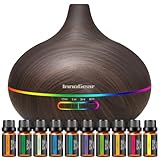
- Reminder: To ensure proper mist function, please do not refill under tap (use measuring cup only to prevent circuit damage); keep water covering atomizer but below MAX line; power off before refilling to prevent water leakage; DO NOT drain from air outlet, ONLY drain from drain side to prevent water ingress and circuit damage.
- Optional Runtime & Mist Mode: This aroma diffuser comes with 4 timer settings (Continuous Mode/1H/3H/6H) and 2 mist levels (Strong/Weak) for you to choose from, when time is up or the water runs out it will automatically stop working, no worry about overheating.
- Large Capacity & Low Noise Operation: Having a high volume of 400ml large water tank, the diffuser frees you to add water frequently, and works well in any large space, easily providing whole night’s humidification and oil aromas. With low noise design, it will run without disturbing sounds, ensuring a quiet environment.
- 7 Colors LED Light Ring: InnoGear oil diffuser also features an independent LED light option to further elevate your mood. The thin light ring around the base is soothing and soft, which won’t dazzle your eyes when sleeping at night, but perfectly livens up your space.
- Safe for Use & Easy to Clean: Made from high-quality PP and ABS material, the essential oil diffuser produces safe mist and it’s cool to touch, all your family can rest assured to use. The large base also makes it easy to clean without a huge hassle.
Last update on 2026-09-25 / Affiliate links / Images from Amazon Product Advertising API
Frequently Asked Questions
1. How can I say no without hurting someone’s feelings?
You can say no kindly by being honest but gentle. Start with appreciation, explain your reason briefly, and offer an alternative if possible. For example, “Thanks for thinking of me, but I can’t take this on right now. Maybe someone else can help?” This shows respect and care, while still setting your boundary.
2. What are some polite phrases to decline a request gracefully?
Phrases like “I appreciate you asking,” “I’m honored, but I have to say no,” or “Unfortunately, I won’t be able to help this time” work well. Using words that convey gratitude and regret can soften the refusal and maintain a friendly and respectful tone.
3. How do I handle feeling guilty after saying no?
Feeling guilty is normal, but remember, saying no helps you take care of yourself and your priorities. Practice reminding yourself that you’re not responsible for other people’s reactions. Saying no kindly doesn’t mean you’re being selfish; it means you’re being honest and respectful to everyone.
4. Is it okay to say no without giving a long explanation?
Yes, it’s perfectly fine to say no without over-explaining. A simple, clear response is usually enough, like “I can’t commit to this right now.” Providing too many details can make things confusing or create unnecessary pressure. Keep it kind, clear, and confident.
5. How can I stay firm when someone keeps pushing after I say no?
It helps to repeat your no calmly and firmly without changing your answer.
You can say something like, “I understand this is important, but I still can’t say yes right now.” Staying consistent shows that you respect your own limits, which in turn encourages others to respect them as well.
Saying no can be tough because we want to avoid hurting others or causing conflict, but avoiding it often leads to burnout and resentment.
The key is to say no with kindness and clarity, starting with gratitude, being honest without overexplaining, and standing firm when needed.
Using empathy and offering alternatives helps maintain positive connections. Practicing polite refusal phrases and delaying your response when unsure can build confidence.
Remember, setting boundaries supports your well-being and strengthens relationships in the long run.
Saying no kindly isn’t about shutting doors; it’s about respectful self-care that benefits everyone involved.