Unleash the Secret: Are You Loving Unconditionally or Just Expecting More?

Unconditional love and loving without expectations are two distinct yet interconnected concepts.
Unconditional love, often seen in parent-child relationships, remains steadfast regardless of circumstances or mistakes.
In contrast, loving without expectations focuses on the joy of giving love freely, without anticipating anything in return.
The key differences lie in acceptance versus expectations; the former embrace people as they are, while the latter may inadvertently foster unhealthy dynamics if boundaries aren’t respected.
A deeper understanding of one’s emotional triggers is crucial for both approaches to promote growth and healing within healthy relationships, emphasizing that genuine connection requires mutual respect and awareness.
1. Understanding Unconditional Love

Unconditional love is often described as a pure, selfless form of affection that remains constant regardless of circumstances or actions.
It’s the kind of love typically seen in parent-child relationships, where a parent loves their child deeply without any conditions.
This love persists even when the child makes mistakes or faces challenges, providing security and acceptance.
For example, a parent may continue to support a child who struggles with addiction, demonstrating that their love does not waver despite the child’s choices.
In contrast, loving without expectations can be seen as an approach where one loves someone for who they are, without the desire for a specific reaction or acknowledgment.
This type of love focuses on the joy of giving love rather than needing something back.
For instance, a friend may be there for another, offering support and kindness without expecting gratitude or reciprocation.
The core of unconditional love lies in its acceptance. It does not hinge on the loved one meeting specific criteria or behaving in a way that pleases the giver.
Instead, it embraces the loved one’s flaws and imperfections.
This can lead to a profound emotional bond.
Yet, it is essential to recognize that while unconditional love can be beautiful, it should not come at the cost of personal boundaries or self-respect.

- 【Necklace Jewelry with S925 Sterling Silver】Crafted with an S925 sterling silver chain, an elegant pendant and a secure clasp, this necklace for her is finished with five layers of rhodium plating for enhanced shine, durability and resistance to tarnishing.
- 【Women Necklaces Engraved with I Love you Always and Forever】The quote is romantic and heartwarming. You can say this to your wife or lover to show your eternal love, and to your daughter the selfless love. Great necklace gifts for wife, girlfriend, mom, grandma, daughter, etc.
- 【 Heart Shaped Pendant – Heart Love Gifts for Women】The rose gold necklace is inlaid with a heart cubic zirconia stone that is 2X bigger than competitors’. Just as you know, the pendant is a big one, not in dainty style. But the receiver won’t be disappointed since the real necklace is charming!
- 【Necklaces for Women – Ready to be Gifted with a Jewelry Box and Gift Bag】The simulant diamond necklace makes a perfect jewelry gift for Mothers Day, Valentine’s Day, Christmas, birthday, wedding, anniversary. It is a necklace for women that can be cherished for the whole life. In case of any questions, contact Gifon and we will be glad to help.
- 【12 Colors of Birthstones for 12 Months】The rose gold birthstone necklace makes a perfect birthday gift for her. Garnet stone for Jan, Amethyst for Feb, Aquamarine for March, Diamond for Apr, Emerald for May, Alexandrite for June, Ruby for July, Peridot for Aug, Sapphire for Sept, Tourmaline for Oct, Citrine for Nov, Turquoise for Dec.
Last update on 2026-10-09 / Affiliate links / Images from Amazon Product Advertising API
2. Defining Loving Without Expectations
Loving without expectations means to love someone not for what they can give back but simply for the joy of loving them.
This type of love focuses on loving itself rather than any anticipated return.
For example, a friend might support another during tough times, not because they want that support reciprocated later, but because they genuinely care and find fulfillment in being there for them.
This approach allows for a deeper appreciation of the relationship, as it removes the pressure of needing the other person to meet specific needs or fulfill certain roles.
It encourages acceptance of the other person as they are, fostering an environment where both individuals can feel safe and valued without the burden of expectations.
However, balancing this unconditional kindness with self-awareness and boundaries is essential to ensure that the love shared is healthy and mutually enriching.
3. Key Differences Between Both Types of Love

Unconditional love and loving without expectations may seem similar, but they have distinct differences.
Unconditional love is often described as a love that remains steadfast regardless of circumstances.
For instance, a parent loves their child no matter their mistakes, which can create a secure environment for emotional growth.
On the other hand, loving without expectations means that while you love someone deeply, you do not expect them to reciprocate in a specific way.
This approach allows you to enjoy loving yourself rather than focusing on how others respond to that love.
Another key distinction lies in emotional dynamics.
Unconditional love can sometimes blur the lines of acceptable behavior, potentially leading individuals to stay in unhealthy or toxic relationships.
For example, someone might feel obligated to continue loving a partner who disrespects them, mistaking this obligation for true love.
In contrast, loving without expectations requires self-reflection and awareness of one’s emotional triggers.
It encourages partners to accept each other as they are, fostering an environment of mutual respect and understanding.
Additionally, boundaries play a crucial role in both types of love.
While unconditional love can offer a strong foundation, it should not excuse poor treatment or neglect.
Healthy relationships thrive on respect for each other’s limits and conditions.
Loving without expectations, therefore, emphasizes the importance of setting boundaries to ensure that love remains a source of joy rather than pain or resentment.
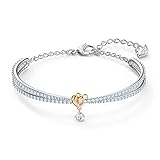
- Measurements: 2 3/8 x 1 3/4 in; Clasp Type: Lobster
- Stunningly Timeless: Exuding delightful sophistication, this Swarovski Lifelong Heart bangle features a clear stone dangling from a rose gold-finished heart, catching the light from every angle
- Expertly Crafted: This gleaming rhodium-finished bracelet is adorned with sparkling clear crystals, working together to create a lovely piece of jewelry that also makes a charming gift for loved ones
- Enhance Any Look: Add to your style with the expressive beauty of Swarovski’s Lifelong Heart bangle bracelet, for an understated way to add a touch of glamor and elegance to any outfit
- Designed to Last: Swarovski jewelry maintains its brilliance when simple care practices are observed; remove before contact with water, lotions, or perfumes and polish with a lint-free cloth

Last update on 2026-10-09 / Affiliate links / Images from Amazon Product Advertising API
| Aspect | Unconditional Love | Loving Without Expectations |
|---|---|---|
| Definition | Love without anticipation of reciprocity focuses on the joy of loving | Love without anticipation of reciprocity, focuses on the joy of loving |
| Expectations | No expectations for love to be returned or criteria to be met | Acceptance of the partner as they are, without pressuring them to change |
| Emotional Dynamics | Love offered without conditions persists through circumstances | Requires self-awareness and understanding of one’s emotional triggers |
| Boundaries | Should not justify tolerating disrespect; boundaries are essential | Healthy relationships necessitate boundaries to avoid resentment |
| Potential Pitfalls | This may lead to unhealthy dynamics if misinterpreted, such as toxic obligations | Risks exhaustion and caretaking roles, potentially leading to resentment |
| Growth | Focus on mutual growth and accountability in relationships | Love encourages personal growth without conditional obligations |
| Application | Predominantly seen in parent-child relationships | Applicable in various relationships, focusing on the joy of giving love |
4. Emotional Awareness in Relationships
Emotional awareness is crucial in unconditional love and loving without expectations.
To truly love without expectations, one must be in tune with one’s feelings and emotional triggers.
For instance, if someone has a past of feeling abandoned, they might unconsciously seek constant reassurance in their relationships.
Recognizing this pattern allows for healthier interactions, where one can express one’s needs without placing undue pressure on one’s partner.
Additionally, emotional awareness helps identify when boundaries are necessary.
For example, if a person feels overwhelmed by their partner’s needs, acknowledging this can prevent feelings of resentment.
Understanding one’s emotional landscape fosters deeper connections, encouraging open communication and vulnerability.
In this way, emotional awareness enhances personal growth and strengthens the bond between partners.
5. The Role of Boundaries in Love
Boundaries are essential in any loving relationship, whether unconditional love or loving without expectations.
They help define what is acceptable and not, creating a safe space for both individuals.
For instance, in a parent-child relationship, a parent may love their child unconditionally, but they must also set boundaries around behavior to teach respect and responsibility.
This balance ensures that love does not become a justification for tolerating poor treatment or harmful actions. In adult relationships, boundaries allow both partners to express their needs and limits clearly.
When one partner constantly gives without setting limits, it can lead to feelings of exhaustion and resentment.
By communicating needs and respecting each other’s boundaries, partners can foster an environment where love can flourish without expectations.
This respect for personal limits is not a barrier to love; it nurtures a healthier connection where both individuals can grow and feel valued.
6. Risks of Unconditional Love
Unconditional love, while often idealized, carries significant risks that can lead to unhealthy relationship dynamics.
One primary concern is that it can create an environment where individuals feel compelled to endure toxic situations.
For instance, someone might remain in a relationship where their partner is emotionally or physically abusive, believing that their unconditional love will ultimately change the other person.
This misinterpretation of love can mask genuine issues and prevent necessary action.
Moreover, continuously giving love without expectation can lead to emotional exhaustion.
If one person constantly puts their partner’s needs first without receiving anything in return, it can breed resentment.
A caregiver might feel overwhelmed, leading to burnout, while the recipient may take their partner’s love for granted, resulting in an imbalanced relationship.
Another risk is complacency. Unconditional love can sometimes lower the motivation for personal growth and accountability.
If one partner believes they will always be loved regardless of their actions, they may not feel the need to evolve or address their shortcomings, stunting the growth of both individuals in the relationship.
Additionally, the absence of boundaries can complicate unconditional love.
When love is given freely without limits, it may lead to situations where one person feels they must tolerate disrespect or harmful behavior in the name of love.
This can diminish self-respect and create a toxic cycle that is hard to break.
Ultimately, while unconditional love can be a beautiful foundation, it is vital to recognize its potential pitfalls.
Balancing love with healthy boundaries and conditions is essential for maintaining respect and emotional safety in relationships.
- Potential for emotional burnout
- Risk of enabling unhealthy behaviors
- Difficulty in setting personal boundaries
- The challenge of maintaining self-identity
- Fear of vulnerability and exposure
- Expectations may go unrecognized
- Hardships in navigating relationship dynamics
- Possibility of neglecting self-care needs

- EXCELLENT QUALITY: The size of the pendant is 3.6cm, and the materials areRed Jasper+amethyst+lapis lazuli+turquoise+green aventurine+topaz+southern red agate+glass+resin+gold foil.
- Good for Health: The chakras are the centres of energy, located on the midline of the body.
- Our Orgonite Cube Pendant absorbs all negative unbalanced energy that may be in, or come into your space, and transform it into positive balanced energy, sending it back out into the environment.
- PSYCHIC IMPROVE – Orgone necklaces can help you protect negative emotions around you and increase positive energy, helps to balance the energy of the chakras, suitable for long-term wearing, which can bring you both stylish looks and comforts.
- Exquisite gift – Packaged in a beautiful gift box, this pendant makes a thoughtful present for birthdays, holidays, or any special occasion
Last update on 2026-10-09 / Affiliate links / Images from Amazon Product Advertising API
7. Avoiding Exhaustion in Loving Without Expectations
Loving without expectations can sometimes lead to emotional exhaustion.
Giving love freely without anticipating anything in return makes it easy to lose sight of our needs.
For example, a partner may prioritize their loved one’s happiness while neglecting their emotional well-being.
This can create a dynamic where one feels like a caretaker, leading to burnout and resentment. It’s crucial to balance selflessness with self-care.
Setting boundaries is essential; it ensures that love does not come at the cost of our mental and emotional health.
Practicing self-reflection helps us recognize when we are overextending ourselves.
By checking in with our feelings, we can identify signs of exhaustion before they escalate.
Open communication with our partners about our needs allows us to maintain a healthy emotional balance.
This approach helps us love genuinely while also safeguarding our well-being.
8. Encouraging Mutual Growth in Relationships
In relationships, encouraging mutual growth is essential for both partners to thrive.
This means creating an environment where both individuals feel supported in their personal development.
For instance, if one partner is pursuing a new career path or hobby, the other should actively encourage and celebrate this journey rather than feeling threatened or neglected.
This mutual support fosters an atmosphere of understanding and respect, allowing each person to evolve without fear of judgment.
Moreover, both partners must communicate their needs and aspirations openly.
By discussing their goals, they can identify ways to support each other effectively.
For example, if one partner desires to travel more while the other values stability, they can negotiate a plan for adventure and a sense of security.
This dialogue strengthens the bond and ensures both partners feel valued and understood.
In addition, mutual growth involves holding each other accountable. Both partners should feel comfortable addressing issues that arise, whether they pertain to personal habits or relationship dynamics.
This might mean gently reminding each other of commitments or encouraging them to step outside their comfort zones.
By doing so, they avoid complacency that can sometimes stem from unconditional love, where one partner might overlook essential issues to maintain peace.
Lastly, nurturing mutual growth requires flexibility.
As individuals change, so do their needs and desires.
Being open to these changes and supportive of each other’s journeys creates a dynamic relationship where love is continually enriched and deepened.
9. The Importance of Conditions in Adult Love
In adult relationships, conditions are vital in maintaining balance and respect.
Unlike the unconditional love often seen in parenting, adult love thrives on mutual understanding and shared values.
Conditions in love do not imply strict rules but rather encompass essential elements like respect, safety, and personal growth.
For instance, if one partner consistently dismisses the other’s feelings, it creates an unhealthy dynamic. Setting boundaries is crucial; it allows both individuals to express their needs without fear of losing love.
Moreover, embracing conditions does not negate the beauty of love. Instead, it enriches it by fostering accountability and encouraging partners to evolve.
A relationship where both partners agree on fundamental values, such as honesty and support, can lead to deeper connections.
For example, when partners openly communicate their expectations, it fosters a sense of security and belonging.
Additionally, recognizing the need for conditions prevents the potential pitfalls of unconditional love, such as complacency or enabling harmful behaviors.
It encourages a healthy dialogue about boundaries and needs, allowing both partners to feel valued and respected.
Ultimately, adult love flourishes when both partners acknowledge and honor the conditions that nurture their relationship.
10. Skills for Developing Conscious Relationships
Developing skills for conscious relationships involves understanding oneself and others deeply.
Effective communication is key; it allows partners to express their needs and feelings openly.
For example, active listening can help partners feel heard and valued, creating a stronger bond.
Another crucial skill is emotional self-awareness.
Recognizing your emotional triggers can prevent misunderstandings and conflicts.
This leads to healthier interactions.
Setting clear boundaries is also essential.
It ensures that both partners respect their limits and maintain a healthy dynamic.
For instance, if one partner feels overwhelmed, they must communicate that need without fear of rejection. Additionally, practicing empathy enhances connection.
Trying to understand your partner’s perspective fosters compassion and reduces judgment.
Moreover, flexibility is vital in adapting to each other’s changing needs.
This adaptability can be practiced through regular check-ins, where both partners discuss their feelings and any necessary changes.
Lastly, cultivating gratitude for each other can enhance the relationship.
Acknowledging and appreciating the small acts of love strengthens the emotional bond and fosters a positive environment.
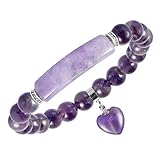
- Modern and delicate crystal bracelet, lovely carved heart stone pendant charm bracelet. Each beads in this fashion bracelet are hand picked and strung on high quality elastic stretch cord to ensure the best quality. Great for daily wear, anniversary,party etc. Unisex, fit both men and women.
- Handcrafted strand bracelet with love. Total Length of beaded bracelet:7″. Beads:8mm. Oblong stone:1.4″x0.4″x0.2″. Alloy spacer beads:6mm. Heart stone charm:0.6″x0.5″x0.2″. It weights about 20-28 grams for each healing bracelet,light weight and comfortable for wearing.
- The healing beads have a positive influence on raise your mood, stay focus. Healing crystal can absorbs negative energy of people to release mental stress and promote emotional well-being. It enhances steadfastness and determination,setting ones mind to a task. It is grounding stone, valuable in difficult or confusing times in our lives. Extremely helpful to people who are in the process of “letting go” or releasing the past attachments to people,places and things.
- BE UNIQUE. Every piece has unique colors and textures that cannot be exactly duplicated. You can be sure that no other person will have identical piece of art like yours. You will receive ones similar as picture shown.
- Comes with a beautiful purple satin gift pouch, easy to store and ready for giving. Makes a perfect magical gift for special one in your life. Of course, including yourself.
Last update on 2026-10-09 / Affiliate links / Images from Amazon Product Advertising API
11. Healing Through Connection
Healing through connection is vital to unconditional love and loving without expectations.
Engaging in relationships prioritizing emotional safety and authenticity creates an environment conducive to healing.
For instance, someone who has experienced betrayal might find solace in a partner who offers love without conditions, allowing them to rebuild trust at their own pace.
This connection encourages vulnerability, allowing individuals to confront past wounds without fearing judgment or rejection.
Moreover, when we love without expectations, we shift from seeking validation to experiencing joy in loving itself.
This can be particularly powerful in friendships where support is given freely, fostering a sense of belonging and acceptance.
For example, a friend who listens without trying to fix our problems cultivates a healing space where we can express our true feelings.
However, it’s essential to recognize the balance between unconditional love and the necessity of healthy boundaries.
While we may offer love freely, we must also ensure that our emotional needs are met and that we are not enabling unhealthy behaviors in others.
This balance is key to fostering relationships that are not only supportive but also promote mutual growth and healing.
12. Unconditional Love in Parenting
unconditional love is often best illustrated in the parent-child relationship.
Parents typically love their children regardless of their actions, choices, or mistakes.
This unwavering support provides children a safe emotional space to grow and learn.
For instance, a child may struggle in school or make poor choices, yet the parent’s love remains steadfast.
This type of love fosters a secure attachment, allowing children to develop confidence and resilience.
However, it’s crucial to remember that while unconditional love is vital, it doesn’t mean parents should tolerate harmful behavior.
Setting boundaries is essential, ensuring that love does not equate to disrespect or neglect of responsibilities.
In this dynamic, unconditional love acts as a foundation, while boundaries guide the relationship, promoting healthy development for both the parent and child.
13. Self-Care and Its Role in Love
Self-care is crucial in both unconditional love and loving without expectations.
When individuals prioritize their well-being, they bring healthier energy into their relationships.
For instance, a person who practices self-care is likely to communicate their needs clearly and set healthy boundaries, preventing the potential for resentment.
This applies to both parents and partners. In a parent-child relationship, a parent who takes time for self-care can better support their child because they are emotionally replenished.
Similarly, in romantic relationships, individuals who engage in self-care can avoid projecting their unmet needs onto their partner, allowing for a more genuine connection.
This freedom fosters an environment where both people can grow and thrive, creating a fulfilling and respectful love.
14. Allowing Freedom in Love
Allowing freedom in love means giving your partner the space to be themselves without the weight of your expectations. This freedom fosters a nurturing environment where both individuals can grow.
For instance, if one partner is passionate about a hobby the other doesn’t share, it’s essential to encourage that pursuit instead of feeling threatened or neglected.
This encouragement allows love to flourish authentically.
Additionally, when partners feel free to express their thoughts and feelings without fear of judgment, it strengthens trust and intimacy.
It’s essential to recognize that love isn’t about possession but connection.
Letting go of the need to control or mold your partner opens the door to a deeper, more genuine relationship.
This practice involves self-reflection and understanding your own needs, ensuring that your love is a choice made freely, not out of obligation.
15. Reflecting on Personal Motivations in Love
When we explore our motivations in love, it becomes crucial to ask ourselves whether our feelings stem from a genuine desire to give or are tied to our needs for validation and security.
For instance, a person might find themselves loving someone deeply but later realize that their affection was primarily driven by a fear of loneliness or a desire to fill emotional gaps from their past.
This reflection can help clarify whether we offer love freely or seek something in return.
Additionally, it’s essential to consider how past experiences shape our current relationships.
Someone who grew up feeling neglected may unconsciously seek approval through their love, leading to expectations that the other person might not fulfill.
Recognizing these patterns allows for more conscious and authentic interactions.
We must also evaluate how much we allow our partners the space to be themselves.
If we find ourselves trying to mold them into a version that meets our expectations, it may be time to step back and reassess our motivations.
Healthy love encourages individuality, and when we genuinely love without expectations, we give our partners the freedom to grow and evolve on their terms.
This strengthens the relationship and fosters personal growth for both individuals.
16. Essential Questions for Healthy Relationships
When navigating the complexities of love, specific questions can guide us toward healthier relationships.
First, ask yourself, “Is my action driven by a genuine willingness to love, or does a need for validation influence it?”
This helps distinguish between selfless love and love that seeks something in return.
Next, consider, “Am I allowing my partner the freedom to be themselves without my expectations?”
This encourages acceptance and fosters authenticity.
Finally, reflect on the following questions: “What boundaries are necessary to maintain respect and safety in the relationship?”
Establishing clear boundaries ensures both partners feel secure and valued, creating an environment where love can thrive.

- Powerful Protection – This orgonite necklace is crafted from malachite and the Flower of Life symbol to offer healing crystal stone energy protection against negative energies.
- Enhance Spiritual Growth – With its spiritual properties, this meditation pendant can help deepen your meditation practice and enhance your spiritual growth.
- Adjustable Cord – The adjustable cord design makes this pendant necklace a perfect fit for anyone looking to add positivity to their daily wardrobe.
- Unleash Your Inner Energy – Wearing this healing crystal will unleash your inner energy, allowing you to take on the day with confidence and clarity.
- Perfect Gift -This orgonite necklace makes a perfect gift for your loved ones who are into spirituality and wellness. They will surely appreciate your thoughtfulness!
Last update on 2026-10-09 / Affiliate links / Images from Amazon Product Advertising API
Frequently Asked Questions
1. What is unconditional love?
Unconditional love is a type of love that does not depend on any specific conditions or expectations. It means loving someone regardless of their actions or circumstances.
2. How is loving without expectations different from unconditional love?
Loving without expectations means you care for someone without hoping for anything in return, but it may not be as deep as unconditional love, which is more about loving fully and without limits.
3. Can you practice loving without expectations in relationships?
Yes, you can practice it by showing kindness and support to others without needing them to behave in a certain way or give something back.
4. Why is unconditional love often considered ideal?
Unconditional love is ideal because it allows for deeper emotional connections and support, helping people feel accepted and valued for who they are.
5. Are there risks to loving without expectations?
Yes, there can be risks, such as feeling taken for granted or hurt if the other person does not reciprocate the same level of care.