
The Language of Flowers: How Floral Symbolism Inspires Healing, Intention, and Inner Growth
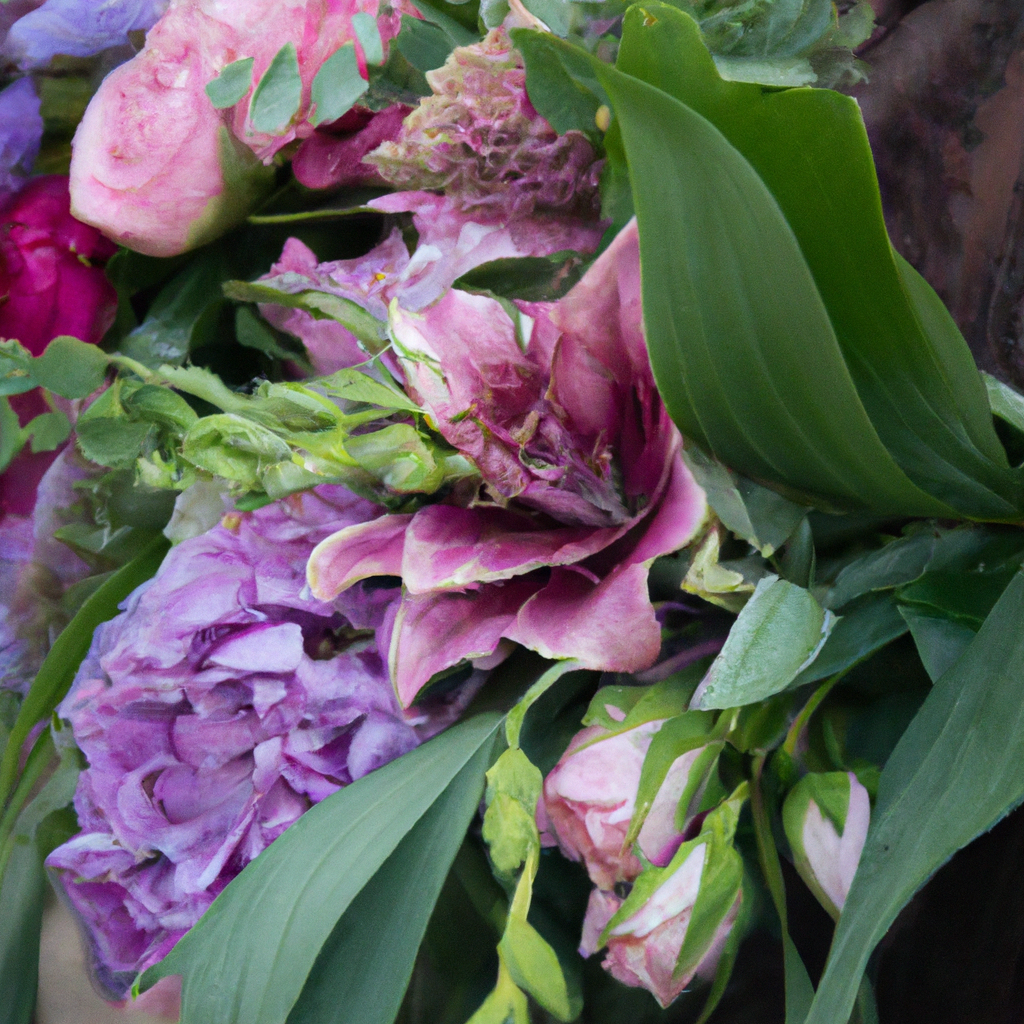
Flowers have always carried more meaning than what you see on the surface.
Whether offered in joy or sorrow, given in silence or celebration, they often speak when words fall short.
Across time and culture, people have turned to flowers not just for decoration, but for expression, support, and emotional connection.
This is the foundation of the language of flowers: using floral symbolism to communicate, reflect, and heal in ways that feel deeply personal.
You might already have favorite blooms without knowing why.
Or maybe you find yourself drawn to specific colors or types of flowers during different moments in your life.
These choices often reflect something within you.

- Hardcover Book

Last update on 2026-10-13 / Affiliate links / Images from Amazon Product Advertising API
Understanding the meaning behind flowers helps you bring more intention into how you use them.
You can choose flowers that support your mood, celebrate growth, or create a calming space around you.
This report will guide you through the many ways flowers can inspire healing, inner awareness, and mindful living.
You will explore their roots in ancient traditions, how they have carried emotional meaning through history, and how to use them for rituals, reflection, and creativity.
You will also learn how to give flowers with intention, design meaningful floral arrangements, and apply flower symbolism in modern wellness practices.
You do not need to be a gardener or a florist to work with this language. All you need is curiosity and the willingness to notice how flowers make you feel.
Once you understand what each flower represents, you can begin using them in your own way to support your growth, align with your values, and bring more presence into your daily life.
The Roots of Floral Symbolism
Floral symbolism has existed for thousands of years.
Across time and culture, flowers have carried meaning far beyond their appearance.
They have been used to communicate feelings, mark life events, and support rituals.
From ancient myths to handwritten notes, the language of flowers has served as a quiet but powerful tool for connection.
Ancient Traditions Around the World
Many early cultures used flowers in spiritual, medicinal, and ceremonial ways.
In ancient Egypt, lotus flowers were symbols of rebirth.
In China, peonies stood for wealth and honor. Native American traditions often connected certain flowers with healing and balance.
These associations were passed down over generations and became part of each culture’s daily and spiritual life.
Flowers were not just decorations; they were messengers with a clear purpose and meaning.
The Victorian Era and the Rise of Floriography
In 19th-century England, flowers became a popular way to share messages without speaking them.
Known as floriography, this trend involved creating detailed floral dictionaries.
Each flower was assigned a specific meaning, and bouquets were arranged with intention.
A single gift of flowers could express love, apology, or even a secret.
This quiet form of communication allowed people to say what they could not speak aloud, especially in a time when emotional expression was more limited.
Flowers in Mythology and Religion
Many religious stories and myths include flowers as symbols of purity, transformation, or divine connection. In Hinduism, the lotus is sacred.
In Christianity, the lily often represents purity and grace. Greek mythology includes tales of gods turning people into flowers to preserve their memory.
These stories gave flowers deep meaning that shaped how they were seen in daily life and spiritual practice.
How Symbolism Evolved Across Cultures
While some flower meanings stayed consistent across regions, others changed based on cultural beliefs and history.
A white flower might symbolize mourning in one country and purity in another.
Over time, new meanings developed based on changing values, global trade, and artistic influence.
Today, people often blend cultural meanings with personal ones, creating a modern version of floral symbolism that feels both timeless and personal.
Flowers as Emotional Messengers
Flowers can speak volumes without a single word. Whether given in joy or sorrow, they hold emotional weight.
The shape, color, and type of bloom can express love, comfort, apology, hope, or celebration.
This section explores how flowers communicate emotions and why they continue to be used for moments when words fall short.
Understanding this emotional layer adds depth to how you choose and interact with flowers in your life.
Using Flowers to Express What Words Cannot
There are times when feelings are too strong or complex to express clearly.
In those moments, flowers offer a way to show care, grief, gratitude, or support.
A single bloom handed to a friend, a bouquet placed at a memorial, or even wildflowers gathered on a walk can carry intention.
Flowers help you communicate love, peace, and presence without needing a perfect script.

- Hardcover Book
Last update on 2026-10-13 / Affiliate links / Images from Amazon Product Advertising API
Symbolic Meaning Behind Common Blooms
Different flowers are known for different symbolic meanings.
Roses often represent love, while sunflowers symbolize joy and strength. Lavender is linked to calm and peace.
When you understand these meanings, you can choose flowers that match the emotion you want to share. You might send daisies for friendship or chrysanthemums for support.
These choices add intention to your gestures and help others feel seen.
Emotional Resonance Through Color and Shape
Beyond the type of flower, the color and shape also matter.
Red often suggests passion or bold emotion, while white reflects peace or purity.
Soft petals can feel comforting, while strong, tall stems might represent support. These small details help shape the emotional tone of the flower.
When you pay attention to how a flower looks and feels, you can use that to match the message you want to send.
Understanding Cultural Differences in Flower Meaning
Flower meanings are not always universal. In some countries, a particular flower is used for celebration, while in others it is linked to mourning.
For example, white flowers may represent grief in some cultures but purity in others. Being aware of these differences helps you avoid confusion and show respect.
It also opens the door to learning new ways that people around the world express themselves through flowers.
Floral Symbolism for Healing
Flowers have long been used to support emotional and spiritual healing.
Their presence can calm the nervous system, lift your mood, and provide comfort during difficult times.
Whether you are grieving, feeling anxious, or simply looking to reconnect with yourself, flowers offer gentle support.
In this section, you will explore how different flowers can play a role in healing and how to use them in ways that feel personal and meaningful to you.
Choosing Flowers for Emotional Support
Some flowers carry soothing, nurturing energy.
When you are feeling overwhelmed, certain blooms can help you feel more grounded. For example, chamomile and lavender are known for their calming effects.
Roses can offer comfort, while wildflowers might remind you of freedom and play.
You do not need to follow a strict rule, either.
Pay attention to what draws you in.
Often, your body knows what it needs, and a flower you feel connected to can offer emotional support just by being near.
The Role of Nature in Mental Wellness
Spending time with flowers, whether in a garden or through a bouquet, can help reduce stress and support mental clarity.
Nature encourages you to slow down, observe, and breathe more deeply.
Here are some ways flowers support wellness:
- They engage your senses and bring you into the present moment.
- They reduce cortisol levels, which helps lower stress.
- They create visual beauty, which lifts your mood.
- They remind you to care for something outside yourself.
- They bring a sense of calm and soft focus to your environment.

- Measurements: Minimum length 14 7/8 in, Maximum length 16 1/2 in, Width 3/8 in
- Unique design: A variety of meticulously-cut crystals in rich, vibrant pastel colors give this necklace its own glamorous style, for a truly captivating look that’s sure to make a unique statement
- Elegant and alluring: Crafted with a rhodium finished chain, the design features vivid crystals in extraordinary cuts and sizes that work beautifully together, adding an elegant sparkle to any outfit
- Versatile beauty: Wear this necklace on its own for a touch of prismatic joy, or combine it with other pieces from the Gema collection, for even more beautiful style options
- Designed to last: Swarovski jewelry maintains its brilliance when simple care practices are observed; remove before contact with water, lotions, or perfumes and polish with a lint-free cloth
Last update on 2026-10-12 / Affiliate links / Images from Amazon Product Advertising API
Using Flowers to Support Grief and Loss
Flowers are often present during times of loss, and for good reason.
They offer a quiet kind of comfort. You might place flowers at a memorial or keep a special arrangement in your space to remember a loved one.
Some people create a flower altar or press petals in a journal.
These small acts of care help you process feelings and honor what you are going through.
The symbolism of certain flowers, like lilies or forget-me-nots, can make the gesture feel even more supportive.
Healing Through Visual and Sensory Connection
The sight, scent, and touch of flowers can help regulate your emotions.
When you look at a flower’s structure or color, your brain naturally responds with curiosity or calm.
The scent of certain flowers can activate your memory and ease tension.
Even the simple act of arranging or touching petals can slow your breathing and bring comfort.
Engaging with flowers through your senses creates a full-body experience that supports emotional healing in small but meaningful ways.
Setting Intentions With Flowers
Flowers can do more than brighten a space.
When you use them with purpose, they can help you focus on what matters most to you.
Each bloom has a unique meaning, and when chosen with care, it can support your goals, values, and emotional growth.
Setting intentions with flowers means bringing mindful energy into your day using their symbolic power.
Whether you are creating a ritual, designing an arrangement, or simply choosing a floral image for your space, you are placing meaning into your environment.
Using Specific Blooms for Personal Rituals
Flowers can add intention to your rituals, no matter how simple or personal.
You might light a candle next to a bloom that represents peace, place a rose on your desk to open your heart to love, or choose lavender when you need calm. Think of each flower as a visual reminder of your goal.
The act of selecting a bloom and connecting it to a personal meaning turns everyday moments into something supportive and grounding.
Creating Flower Arrangements With Meaning
Arranging flowers with meaning turns a simple decoration into a personal message.
Choose each flower based on what you want to bring into your space, such as strength, joy, trust, or healing.
You can also group flowers based on a theme, like new beginnings or emotional clarity.
Arrangements can change with your mood, the seasons, or your focus.
When you create with intention, you are reminding yourself of your values in a visual way.
Planting Gardens That Reflect Your Intentions
Your garden can become a living space for your intentions. Choose flowers that align with what you want more of in your life.
For example, you might plant sunflowers for confidence, marigolds for protection, or violets for inner peace. Even a small window box or potted plant can carry meaning.
Over time, watching your intention grow helps you stay connected to it. It is a quiet way to nurture both the plant and your purpose.
Daily Reminders Through Floral Imagery
You do not need fresh flowers every day to stay connected to their meaning.
Floral imagery can work just as well.
You might keep a photo of a favorite bloom, use floral prints in your journal, or display artwork that includes meaningful flowers.
These visuals act as reminders of what you are working toward. Surrounding yourself with symbolic imagery keeps your intentions active and present in your daily routine.
Flowers for Self-Reflection and Inner Growth
Flowers can help you explore who you are and how you want to grow.
They offer a simple, beautiful way to look inward and connect with your thoughts and emotions.
You might be drawn to certain flowers without knowing why.
That pull can be a starting point for reflection.
By noticing your preferences, journaling about symbolism, and using flowers as guides, you create more space for personal insight and growth.
What Your Favorite Flowers Say About You
Your flower preferences can reflect parts of your personality, values, or emotional needs.
Here are a few examples:
- Roses – You value connection, beauty, and emotional depth.
- Sunflowers – You seek joy, warmth, and personal strength.
- Lavender – You crave peace, balance, and emotional space.
- Peonies – You are drawn to softness, comfort, and nurturing.
- Wildflowers – You value freedom, spontaneity, and natural growth.
Exploring Personal Symbolism Through Journaling
Journaling is a great way to go deeper with flower symbolism.
Write about what a flower means to you, how it makes you feel, or what memory it brings up.
You can also reflect on how certain blooms show up in your life or how your preferences have changed over time.
This practice helps you create a personal language of flowers that connects directly to your inner life.
There are no wrong answers, just space to notice and explore.
Letting Floral Seasons Guide Your Growth
Different flowers bloom during different seasons, and this rhythm can mirror your own phases of growth.
Spring flowers might remind you to start fresh, while autumn blooms can represent reflection or letting go.
You can use the natural blooming cycle as a way to pause and ask yourself what you need.
Matching your inner focus with the energy of the season helps you feel more connected and supported in your personal journey.
Floral Inspiration for Creativity and Expression
Flowers have inspired artists, writers, and creators for centuries.
Their shapes, colors, and symbolism offer endless possibilities for self-expression.
Whether you work with paint, words, or visual design, flowers can bring meaning and emotion to your creative process. You do not need to be an artist to explore this.
All you need is a willingness to notice how flowers make you feel and how you can express those feelings in your own way.
Using Flowers in Art, Writing, and Design
Flowers can show up in your creativity through drawings, poetry, painting, or even digital design.
Try sketching a bloom that represents a particular mood, or writing a short piece inspired by a flower’s energy. In design, you can use floral patterns, shapes, or palettes to reflect your message or feeling.
The symbolism adds another layer to your work.
Even simple creative moments, like doodling or collage, can take on more meaning when flowers are included.

- FAST, EASY & ALL-IN-ONE — Contains all the vision board supplies you need: 150 double-sided cards with hand picked quotes and images, 18 blank cards for customization, a sleek pink foldable 9.3 ” x 12.4″ board with 18 slots for the cards, and a thorough guide booklet. No need to buy tons of magazines for vision board, no mess, cutouts, scissors or glue. Works great for both new and experienced vision board makers.
- PROFESSIONALLY CURATED IMAGES & QUOTES – We’ve done research with women who make vision boards and as a result our kit covers the broadest range of topics on the market. The 150 images are relatable, matching in style, color and mood, printed in the highest quality, offer diversity, and feature few faces. On the reverse side you find 150 unique quotes. Use the blank cards to add your own messages. The finished board looks unique, personal, and more organised than using a vision board book.
- SWAP CARDS ANYTIME & REUSE FOR YEARS — It’s the first, original vision board kit to use cards and precision fit slots. The cards slide easily into the slots from top to bottom. Nothing is glued, so if you change priorities or achieve a goal, simply swap out the cards to create a new vision board. Update as often as needed – annually, monthly or ad hoc. The cards are thick, laminated, won’t wear and will last for years making this both good value as well as environmentally aware choice.
- VALUABLE GUIDEBOOK & ADAPTABLE BOARD — The 32-page guide booklet helps you get started easily: explains the process, includes easy to follow steps to create your vision board, self-coaching exercises, and room for notes, making it also a great tool for a vision board party. The compact foldable board lets you take your vision board wherever you go, helping you move through each day focused. You can close it for privacy or share your inspiration and display it at home or in the office.
- GIVE THE GIFT OF SUCCESS & HAPPINESS — Inspire yourself, friends, family, couples, newlyweds, graduates, clients, colleagues or business owners to start manifesting and reach their goals. The kit comes in a beautiful package and is gifting ready.
Last update on 2026-10-12 / Affiliate links / Images from Amazon Product Advertising API
Creating Symbolic Flower Mandalas or Vision Boards
Mandalas and vision boards are creative tools that blend structure and meaning.
You can use flower imagery, photos, or dried petals to build a piece that reflects your current focus.
Choose blooms that match your goals, emotions, or values.
Arrange them in patterns or clusters that feel right to you. This process becomes a form of active reflection.
Once finished, your board or mandala becomes a visual reminder of what matters to you.
Pairing Flower Meanings With Personal Storytelling
Flowers can help you tell your story in new ways. Think about key moments in your life and which flowers match those experiences.
Maybe a sunflower represents a time you felt strong, or a violet reminds you of a moment of healing. You can use these pairings in journaling, visual storytelling, or even spoken word.
Exploring Emotional Color Palettes Through Blooms
Flowers offer natural color palettes that connect to different emotions.
You might notice you are drawn to soft pastels when you need comfort, or bold reds when you feel energized.
Creating with these palettes helps you express how you feel without needing to explain it.
Try building a project using only flower-inspired colors that match your current mood.
This simple exercise can help you tap into emotions and express them visually.
Clarity and Wisdom Affirmations
I trust the clarity that blooms within me.
Like a white lily, I see with pure awareness.
I allow my mind to open like a magnolia in the sun.
My path unfolds with insight and ease.
I let truth rise like petals reaching for the light.
The forget-me-not reminds me to honor my inner knowing.
I welcome quiet moments that reveal deeper wisdom.
I see clearly through the fog of distraction.
The iris reminds me to seek truth in all things.
I am grounded in clarity, like roots deep in the earth.
I release confusion and choose clear direction.
Wisdom flows through me like spring rain.
My intuition blossoms in stillness.
I gather insight like blooming herbs in the garden.
The lavender bloom reminds me to quiet my mind.
I pause to reflect before I act.
My awareness grows like a sunflower tracking the light.
I honor both logic and instinct.
The camellia shows me how to think with grace.
I see beyond surface distractions to what matters most.
I trust the answers unfolding within me.
Each flower teaches me something new about myself.
I seek the lesson in every season.
I choose clarity over complexity.
Like the open bloom, I welcome what is clear and true.
Connecting With Nature Through Botanical Rituals
When you create simple rituals using flowers, you build a stronger relationship with nature and yourself. These moments do not need to be formal or complicated.
They are small acts that help you slow down, focus, and connect with your intentions.
Whether you use flowers to mark a personal moment, reset your mindset, or simply bring presence to your day, botanical rituals can offer grounding and gentle structure to your inner life.

- This beautiful wood flower of life box is hand carved in India. This lovely box measures 7 inches x 5 inches x 2.37 inches
Last update on 2026-10-12 / Affiliate links / Images from Amazon Product Advertising API
Simple Daily Practices With Flowers
Daily flower rituals help bring beauty and intention into your routine. You don’t need a garden or a big setup to get started.
Here are a few ideas:
- Place a single fresh flower in a small vase and set an intention for the day.
- Press a bloom into your journal or planner each week as a reflection marker.
- Light a candle next to a meaningful flower during meditation or quiet time.
- Use floral water to refresh your space or desk area.
- Take a short walk and gather petals or leaves for your altar or workspace.
How to Use Flower Essences and Herbal Blends
Flower essences are subtle remedies made from the energetic imprint of flowers. You can take them as drops or add them to baths and sprays.
Each flower essence carries a specific emotional or energetic message.
For example, you might use a rose essence for heart support or clematis for focus.
Herbal blends, such as teas or oils made with dried flowers, also support wellness. Choose flowers based on how you want to feel or what you want to release.
Seasonal Flower Walks for Mindful Observation
Walking outside and paying attention to what is growing helps you connect with the season and your surroundings. These walks are not about exercise.
They are about noticing.
Look at the color, shape, scent, and where each flower appears.
You might take notes, draw sketches, or simply observe. Over time, you build a deeper connection to the rhythm of the land around you.
This practice helps you slow down and reflect on what is blooming both outside and within.
Building a Personal Flower-Based Ritual Toolkit
You can create a small collection of items that support your floral rituals. Include items such as dried flowers, flower cards or images, small vases, essential oils, and a flower journal.
These tools do not have to be expensive or fancy.
Choose what feels meaningful and supportive.
Having a dedicated kit makes it easier to return to your practice and build a sense of consistency, even when your schedule is busy.
Gifting With Meaning and Mindfulness
Giving flowers is a tradition that holds emotional weight.
But when you choose flowers based on meaning, not just appearance, the gift becomes more thoughtful and personal.
Mindful gifting allows you to share your feelings, support someone’s journey, or celebrate a meaningful moment with purpose.
This section explores how to give flowers with intention, so your gift offers both beauty and emotional depth.
Choosing Flowers Based on Message, Not Appearance
Instead of picking the prettiest option, think about what the flower represents.
For example, choose irises for wisdom, yellow roses for friendship, or lilies for remembrance.
When your flower choice reflects the meaning behind the moment, it becomes a heartfelt gesture.
You do not need a large bouquet.
Even one carefully selected bloom can say exactly what you feel when chosen with care.
Writing Notes That Explain Floral Intentions
A short, handwritten note adds clarity and warmth to a flower gift. It helps the receiver understand why you chose that specific flower.
You can mention the meaning, a shared memory, or what you hope the flower brings them. These notes do not need to be poetic.
A few genuine words are enough to make the moment feel more personal and special.
Creating Themed Bouquets for Life Moments
Flowers can mark transitions, milestones, and emotions.
A themed bouquet shows you took time to match the gesture to the occasion.
Here are a few ideas:
- New beginnings: daffodil, iris, and tulip
- Healing: lavender, calendula, and chamomile
- Friendship: yellow rose, sunflower, and zinnia
- Love: red rose, peony, and carnation
- Gratitude: hydrangea, pink rose, and daisy
Flower Symbolism in Modern Wellness Practices
As wellness practices expand, more people are turning to flower symbolism for emotional support, self-awareness, and spiritual healing.
Flowers bring both visual and energetic qualities that blend well with coaching, therapy, bodywork, and home design.
This section explores how flowers are being used in current wellness approaches to promote balance, clarity, and emotional connection.

- Used Book in Good Condition
Last update on 2026-10-12 / Affiliate links / Images from Amazon Product Advertising API
The Rise of Floral Therapy and Energy Healing
Floral therapy involves working with flower essences or imagery to support emotional and energetic well-being.
Practitioners may guide you in selecting specific blooms to match your goals, emotions, or healing needs.
These sessions can include meditation, energy work, or journaling.
You do not need formal training to explore it for yourself.
Start by choosing a flower that matches your focus and creating space for it in your day.
Integrating Flower Meaning Into Coaching or Therapy
Coaches and therapists may use flower symbolism to help clients connect to their goals or emotions.
This can be as simple as asking what flowers they are drawn to, or using flower cards during sessions.
Clients often feel supported when they can connect their inner feelings to something tangible and beautiful.
It can also help open conversations and support emotional breakthroughs when words are hard to find.
The Role of Floral Aromatherapy in Mood Shifts
The scent of flowers has a direct impact on your nervous system.
Essential oils made from flowers like rose, ylang ylang, jasmine, and geranium are known to support mood, relaxation, and emotional balance.
You can use them in diffusers, roll-ons, or sprays.
Choose scents that match your intention for the day.
Floral aromatherapy is a simple but powerful way to create a shift in energy and focus.
Bringing Symbolic Flowers Into Your Living Space
You can design your space with flowers that reflect how you want to feel. For example, keep a vase of fresh daisies for joy, or add lavender bundles to your bedroom for peace.
Dried flowers, artwork, and floral textiles also carry meaning.
Use flower symbolism as a way to personalize your environment.
This creates a space that feels more connected to who you are and what you value.
Living a Flower-Inspired Life
Living a flower-inspired life means allowing floral symbolism to influence your choices, surroundings, and mindset.
It is not about creating perfect arrangements or buying flowers every week.
It is about letting the energy, rhythm, and meaning of flowers guide your actions and remind you of what matters.
This final section encourages you to carry flower wisdom into your everyday life with ease and purpose.
Letting Flowers Remind You of Your Values
Each flower carries a message, and you can use these messages to stay connected to your core values.
Consider placing a sunflower photo on your desk as a reminder to stay confident.
Or you might keep a violet card in your wallet to stay grounded in kindness.
These reminders are quiet, but they help you keep in touch with who you are and how you want to show up.
Creating Floral Rituals for Celebration and Change
Mark life transitions with flower-based rituals.
You can welcome a new season, honor a change in your life, or celebrate personal milestones with blooms that reflect your journey.
These rituals might include planting something new, creating an intentional bouquet, or placing flowers on an altar.
Simple gestures like these help bring meaning to the moments that matter.

Last update on 2026-10-13 / Affiliate links / Images from Amazon Product Advertising API
Designing Spaces That Reflect Floral Intention
Your space can reflect your emotional needs and values through intentional floral choices.
Here are some ways to do that:
- Place fresh flowers where you spend the most time.
- Use floral artwork that includes symbolic blooms.
- Choose color palettes that match emotional goals.
- Keep dried flowers or pressed petals as keepsakes.
- Add flower-themed items that evoke feelings of calmness or joy.



3 Comments