
11 Indispensable Signs It’s Time to Move On: Embrace Healthier Choices
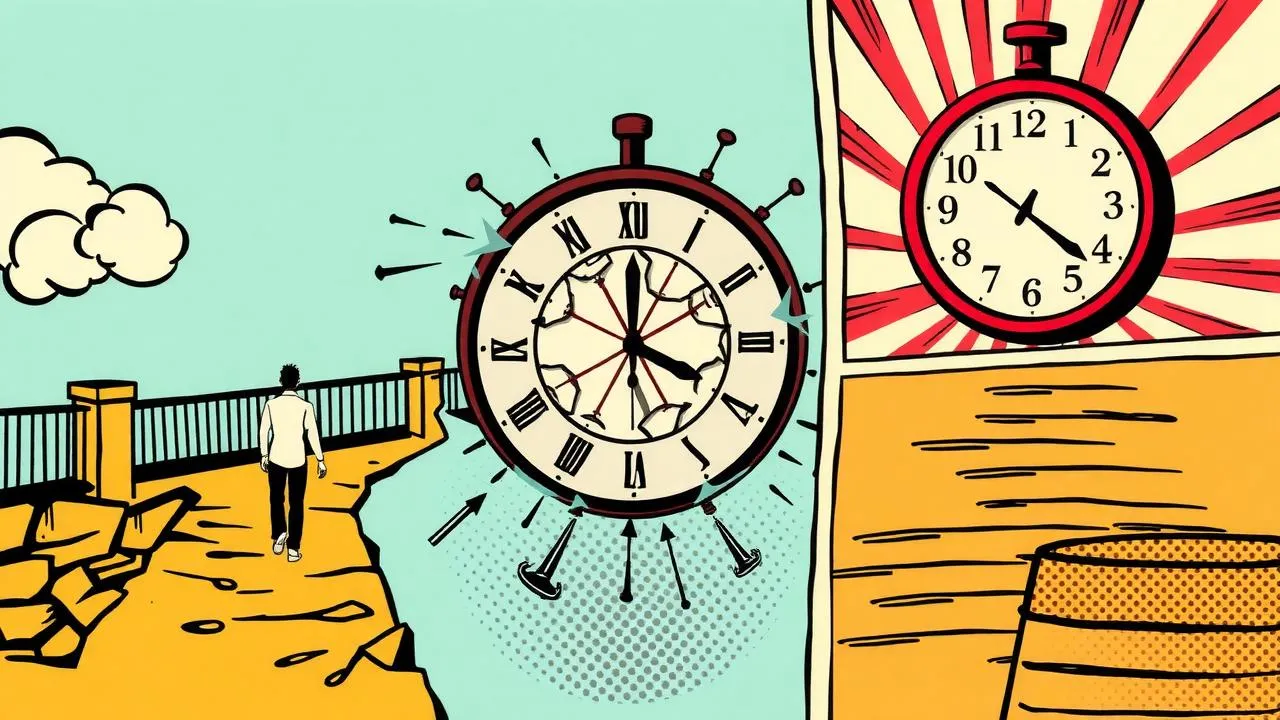
Sometimes, it’s tough to let go when you’re stuck living in memories instead of facing the now.
You might keep replaying good times to justify staying, but if your current situation isn’t bringing happiness, that’s a red flag.
When pain outweighs joy or constant emotional struggles wear you down, it’s a sign to move on for your well-being.
Expecting someone or something to change can lead to disappointment; acceptance means embracing reality as it is.
If hurtful behavior keeps happening or effort feels one-sided, holding on may only cause more harm than good. Recognizing these signs helps you grow and look forward to better days ahead.
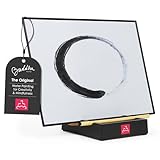
- RELAX & LET GO – The Original Buddha Board is inspired by Zen mindfulness, helping you unwind, focus, and relieve stress. Simply paint with water and watch your artwork slowly fade away, teaching the art of letting go and living in the moment.
- NO MESS, NO FUSS – JUST ADD WATER – No inks, no paints, no cleanup—just pure, water-based painting. The Buddha Board offers a clean, calming way to express yourself anytime, anywhere.
- EASY & ENDLESS CREATIVITY – Dip, paint, and watch your design disappear! The Buddha Board resets itself every time, providing endless creative possibilities for kids and adults alike.
- A UNIQUE GIFT FOR ARTISTS & MORE – Searching for gift ideas? The Buddha Board is a thoughtful and one-of-a-kind gift for artists, women, men, and anyone who enjoys creativity, mindfulness, or relaxation. Perfect for birthdays, holidays, and self-care moments
- A FUN WAY TO CREATE & RELAX – Whether you love water painting, Japanese brush art, calligraphy practice, or simple doodling, the Buddha Board makes creativity easy, fun, and calming. Ideal for home, office, classrooms, or travel, it’s a beautiful way to enjoy the present moment.
Last update on 2026-10-13 / Affiliate links / Images from Amazon Product Advertising API
1. When You Live More in Past Memories Than the Present

It’s easy to get stuck replaying the good times over and over, especially when the present feels tough or empty.
Perhaps you cling to those memories as proof that things can return to how they were, but this hope often traps you in a situation that no longer serves you.
When your focus is on what was instead of what is, you might miss the signs of ongoing problems or ignore the pain you’re feeling now.
This kind of nostalgia can cloud your judgment, making it harder to make healthy choices based on reality.
Your energy drains as you try to hold onto something that no longer exists, and you might even avoid new experiences because you’re stuck in old stories.
Friends and family often notice when you bring up the past more than engaging with what’s happening now, which can be frustrating for everyone involved.
Realizing you’re living in memories instead of the present is a crucial step toward figuring out what you need and moving forward.
2. When Pain Outweighs Joy in Your Situation or Relationship
When sadness, frustration, or disappointment show up more often than happiness, it’s a clear sign to rethink staying.
Constant pain that overshadows the good moments doesn’t just weigh on your heart; it can also take a toll on your mental and physical health.
You might find yourself emotionally drained from trying to fix things that never seem to get better.
Sometimes, those brief happy moments aren’t enough to balance the ongoing hurt or conflict, and ignoring this persistent pain can lead to numbness or emotional detachment.
If you notice that you dread interactions or situations more than you look forward to them, it’s essential to pay attention.
This kind of pain can chip away at your self-esteem and sense of safety, and friends or loved ones may even start expressing concern about how unhappy you seem.
When relief doesn’t come, and the pain sticks around, it’s often a sign that moving on is the healthiest choice for your well-being.
3. When You or the Other Party Expect Significant Change
Expecting someone to change who they are is often unrealistic and unfair.
True acceptance means embracing people’s flaws and strengths as they are right now, not holding onto an idea of who they might become.
When you or the other person keeps waiting for significant changes, it can feel like you’re stuck in a loop of disappointment and frustration.
You might find yourself trapped, hoping that the other person will suddenly meet your needs or standards, but that hope often leads to resentment on both sides if it never happens.
Sometimes change does occur, but it has to come from a genuine desire, not from pressure or ultimatums.
Focusing too much on what could be instead of dealing with what is keeps you from addressing the real issues today. If both of you feel stuck wanting change that doesn’t come, it’s a strong sign there’s a mismatch.
Repeated promises to change that go unfulfilled only weaken trust and make it harder to move forward.
Learning to accept people as they are allows you to make clearer, healthier decisions about your future instead of holding on to unrealistic expectations.
4. When You Stay Hoping Things Will Improve
Hope can be a powerful feeling, but when it’s the only thing keeping you stuck, it’s time to take a closer look.
Holding on just because you believe things might get better often blinds you to the reality of the situation right now.
You might find yourself making excuses for problems, ignoring red flags, or living in “what if” scenarios that delay the necessary steps to protect your well-being.
For example, waiting for someone to change their behavior or for a challenging situation to improve magically can keep you trapped in pain longer than you should be.
It’s important to balance hope with the hard truths about what’s happening.
Realistic optimism acknowledges the current struggles but still allows room for progress, whereas wishful thinking only prolongs suffering.
Staying in a place that’s not healthy or fulfilling, just because of hope, means you might miss out on better opportunities that align more with your happiness and growth.
Focusing on what’s real now helps you build a stronger foundation for a healthier future, rather than waiting endlessly for change that may never come.

- This is a unique crystal cluster, crystal cluster shape is not the same, overlooking the crystal cluster like a blooming crystal flower The cluster weighs about 200 to 300 grams (0.44 to 0.66lb) and is 6 to 12cm(2.3 to 4.7inch) high and 8 to 12cm(3.14 to 4.7inch) wide.
- This crystal cluster is a very good crystal gift, no matter where the crystal cluster is placed, it will attract others’ eyes. It helps to heal the connection between your body and your mind. This crystal cluster is a great choice as a meditation crystal.
- Crystal clusters have natural cotton wool and ice cracks in their branches. This shape is very visual. The material is natural quartz. Crystal clusters have a powerful energy balancing magnetic field that helps heal your body. Place it in front of you when you do yoga.
- Experience the power of nature with this huge crystal cluster that sparkles in the light and offers protection against negative energies. Bring positive vibes and harmony to your space with this unique quartz crystal cluster, which makes a striking centerpiece or a thoughtful gift.
- Because it is a natural product, crystal clusters are not exactly the same two, can not guarantee to be completely consistent with the picture. We will select the perfect crystal cluster for you
Last update on 2026-10-13 / Affiliate links / Images from Amazon Product Advertising API
5. When You Keep Justifying Hurtful or Inconsistent Behavior
If you find yourself constantly making excuses for hurtful or inconsistent actions, it’s a sign that you’re uncomfortable facing the reality of the situation.
Phrases like “they didn’t mean it” or “that’s just how they are” might feel like a way to protect yourself from pain, but they often mask the truth that the behavior is damaging.
This pattern can confuse what’s acceptable and make you doubt your feelings and boundaries.
When you justify bad behavior, you ignore your emotional needs and stay stuck in unhealthy cycles.
This mental tug-of-war, known as cognitive dissonance, keeps you trapped in a false sense of security, making it harder to see the situation.
You might even take on guilt or responsibility for the other person’s actions, which only adds to the strain.
Recognizing when you’re justifying harmful behavior is a crucial step toward breaking free.
Facing the truth, even when it’s hard, is necessary to protect your emotional health and move toward a healthier future.
6. When Emotional, Physical, or Verbal Hurt Happens
Any form of abuse, whether emotional, physical, or verbal, is a clear sign that it’s time to step away.
Emotional wounds might not leave bruises, but they can cut just as deep, wearing down your confidence and sense of worth over time.
If you find yourself dealing with repeated insults, threats, or controlling behaviors, these are not just bad days or misunderstandings; they’re serious red flags.
Physical harm or threats put your safety in immediate danger and should never be ignored or excused.
It’s common to feel trapped or scared in these situations, but remember, you deserve respect and kindness in every relationship.
Ignoring abuse can lead to long-term trauma and serious health issues, so recognizing the problem is the first step toward reclaiming your peace.
No explanation or excuse justifies hurtful actions, and leaving an abusive environment is a brave and necessary move to protect yourself and start healing.
- Any form of abuse, whether emotional, physical, or verbal, is a clear signal to leave.
- Emotional wounds can be invisible but just as harmful as physical ones.
- Repeated insults, threats, or controlling behavior damage your self-worth.
- Physical harm or threats put your safety at risk immediately.
- Ignoring abuse can lead to long-term trauma and health issues.
- You deserve respect and kindness in all relationships.
- It’s common to feel trapped or scared, but help is available.
- Recognizing abuse is the first step toward breaking free.
- No explanation or excuse justifies hurtful actions.
- Leaving an abusive situation is a vital step to reclaiming your life and peace.
7. When the Same Problems Keep Happening Without Resolution
When you find yourself stuck in a loop where the same problems keep popping up despite your best efforts to fix them, it’s a clear sign that something deeper is wrong.
These repeated conflicts usually mean the real issues aren’t being addressed, and trying the exact solutions over and over leads to frustration and feeling hopeless.
For example, you might have the same argument, make up, and then face the same problem again weeks or months later.
This cycle drains your emotional energy and can create distrust, making you feel trapped rather than connected.
Sometimes, one or both people aren’t genuinely committed to change, or communication breaks down so severely that understanding each other feels impossible.
If no progress is made over time, it’s essential to recognize that the situation or relationship may not be sustainable.
Recognizing this pattern helps you stop wasting energy on something that won’t improve and instead focus on your well-being.
Accepting that some things won’t change is tough, but it’s often the healthiest step forward.

- 3-Frequency Sound Healing Set: Calibrated 128Hz C, 256Hz C, and 512Hz C aluminum alloy forks; 128Hz for deep grounding vibration, 256Hz for a balanced meditation tone, 512Hz for a clear high tone for intention setting and sound therapy
- Weighted & Unweighted for Body and Space: The 128Hz and 256Hz weighted forks deliver a deep-felt vibration for direct body contact, grounding, and relaxation; the 512Hz unweighted fork gives a clear, sustained tone for meditation and breathwork
- Complete Sound Practice Kit: 3 forks, individually calibrated for precise accuracy, a rubber mallet, and a velvet pouch per fork; everything needed for a consistent sound healing practice at home, in meditation spaces, or wellness sessions
- 80+ Minute Expert Video Course: 9 structured lessons led by an experienced sound healing practitioner; covers activation technique, frequency basics, body-based vibration, and room clearing; access by QR code in the box
- For Meditation, Sound Therapy & Wellness Sessions: Made for at-home users, yoga instructors, Reiki practitioners, and sound bath facilitators; use during breathwork, mindfulness rituals, chakra balance, grounding, and self-care routines
Last update on 2026-10-13 / Affiliate links / Images from Amazon Product Advertising API
8. When Only One Person Puts Effort into Maintaining the Relationship
When only one person is putting effort into a relationship, it creates a heavy imbalance that can quickly lead to exhaustion and resentment.
Relationships thrive on mutual commitment, where both people actively contribute to making things work.
If you find yourself always the one initiating contact, making compromises, or trying to keep the connection alive, it’s a major red flag.
This one-sided effort often makes you feel unappreciated, taken for granted, and like your feelings don’t matter.
Over time, this dynamic wears down your self-esteem and overall happiness because you’re constantly giving without receiving the same level of care in return.
Healthy relationships require give and take from everyone involved, and you deserve to be in a situation where your efforts are matched and valued.
Ignoring this imbalance only prolongs unhealthy patterns that drain your energy and hope.
Recognizing when you’re the only one trying is challenging, but essential; it helps you reevaluate your choices and consider moving on to protect your well-being.
9. When Core Values and Beliefs Differ Greatly
When your core values and beliefs don’t align, it’s more than just a minor disagreement; it’s a source of ongoing tension that wears down the relationship.
These values shape how you see the world, make decisions, and set priorities.
Consider key areas such as views on family, honesty, lifestyle, or personal goals. If these differ significantly, it becomes tough to find common ground or work toward shared dreams.
Sure, respecting differences is essential, but some values are non-negotiable for harmony and trust.
Constant clashes over beliefs can lead to frustration, stress, and even resentment if ignored.
For example, if one person prioritizes honesty above all, but the other often bends the truth, that clash can erode trust over time.
Recognizing these gaps early on helps avoid wasted time and heartache.
Choosing to stay in a situation where fundamental values conflict often means compromising who you are or settling for less peace.
Long-term connections thrive when both parties share similar beliefs, supporting growth and cooperation along the way.
10. When the Situation Stops You from Growing
When you find yourself stuck in a situation that keeps you from growing, it’s a clear sign to rethink your path.
Personal growth means learning, evolving, and improving yourself, and if the environment around you blocks that progress, it’s holding you back.
This kind of stagnation doesn’t just slow your development; it can lead to frustration, lowered confidence, and a fading sense of purpose.
Imagine staying in a job or relationship where opportunities to expand your skills or explore new ideas don’t exist.
Over time, this lack of growth can make you feel trapped, as if you’re wearing a mask just to fit in rather than being your true self.
Healthy situations and relationships inspire you to step outside your comfort zone and support your goals.
If you notice that staying put makes you feel diminished or stuck emotionally or professionally, it’s time to evaluate what’s holding you back.
Growth often requires tough choices, and sometimes that means moving on to embrace new experiences that challenge and develop you.
Choosing growth over comfort isn’t easy, but it’s essential for building a more fulfilling and authentic life.

- Help relief neck pain in just 10 mins per day.
- The neck and shoulder relaxer is ergonomic design, the curve of neck relaxer matches the cervical spine. When you lie down, it offers vertical, horizontal support, and Curvature stretch for neck traction, allowing the cervical traction pillow to position the head to reduce spinal pressure, support the cervical spine and help restore the C-shaped curve of the neck.
- Restclouds stretch (traction) your neck giving relief from neck pain and headaches. They are portable, comfortable and easy to use. All you have to do is lay down on it, relax on it and feel the stretch! Simple and effective physical solutions to sooth away stiff neck, helps in restoring proper cervical curvature associated with consistent use.
- Cervical neck stretcher can be used on hard surfaces, such as home floors, outdoor flat ground, yoga mats etc. Can’t be used as an ordinary pillow all night long. 10 minutes per time, no more than 30 minutes a day.
- This neck stretcher should never cause pain, however some slight discomfort may be felt initially when using this device. There are many varying conitions of the vervical spine, improper application of this device or the use of excessive time on this device may aggravate an existing condition or cause additional injury. If you feel pain, numbness or dizziness, immdediately discontinue using device and consult with your healthcare professional.
Last update on 2026-10-13 / Affiliate links / Images from Amazon Product Advertising API
11. When Neither Party Feels the Same Way Anymore
When both people involved no longer feel the same way, it’s a clear sign that holding on only causes more pain.
Sometimes, you might stay because of the good memories or out of fear of change, but those feelings have shifted, and that’s okay.
Continuing under these circumstances tends to prolong unhappiness for everyone.
It’s essential to recognize that love and connection evolve, and when they fade on both sides, letting go can open the door to new opportunities and healthier relationships.
For example, if you find conversations lack warmth or excitement and you both avoid deep talks about the future, it’s a sign the emotional bond has weakened.
Accepting this reality allows you to move forward instead of clinging to something that no longer serves either of you.
| Sign | Key Points |
|---|---|
| Living in Past Memories | Replaying happy moments can justify staying, but it also masks the current reality; holding on to memories can prevent us from seeing what’s happening. |
| Pain Outweighs Joy | If sadness and frustration outweigh happiness, it’s a strong sign to reconsider staying, as constant emotional turmoil harms well-being. |
| Expecting Significant Change | True acceptance is loving someone as they are; hoping for change often leads to disappointment and resentment. |
| Hoping Things Will Improve | Making excuses for evil actions shows discomfort with reality and traps you in unhealthy patterns. |
| Justifying Hurtful Behavior | When only one person tries, it creates an imbalance and drains energy, reflecting low mutual commitment. |
| Emotional, Physical, or Verbal Hurt | Any abuse is unacceptable and a clear sign to leave; emotional wounds can be as harmful as physical ones. |
| Recurring Problems | Repeated conflicts without resolution signal fundamental issues and may mean it’s time to move on. |
| One-Sided Effort | Staying can limit your or the other person’s personal growth; sometimes moving on is key to becoming your best self. |
| Core Value Differences | Staying can limit your personal growth, or that of the other person; sometimes moving on is key to becoming your best self. |
| Hindered Growth | Significant differences in beliefs cause ongoing friction and hinder long-term harmony; shared values matter. |
| Fading Feelings | When feelings have changed or faded for both, continuing may only deepen misery; letting go opens new possibilities. |
Frequently Asked Questions
1. How can I tell if holding on is hurting me more than helping?
If you find that staying attached is causing constant stress, draining your energy, or stopping you from finding happiness elsewhere, it might be doing more harm than good. When something feels like a weight instead of a support, that’s a clear sign it could be time to let go.
2. What emotional signs show it’s time to move on from a situation or relationship?
Feeling numb, stuck, or persistently unhappy without improvement despite effort are emotional clues. If hope fades and frustration grows, or you start doubting your self-worth because of the situation, these feelings often mean it’s healthy to consider moving on.
3. Is it normal to feel guilty about giving up or walking away?
Yes, feeling guilty is common because society often values perseverance. But it’s important to remember that quitting something that no longer serves you doesn’t make you weak. Prioritizing your well-being and growth shows strength, not failure.
4. How do I know if I’ve done enough to try before moving on?
Reflect on your efforts with honesty. If you’ve given consistent time, communicated clearly, sought help, and still see no meaningful progress or positive change, that likely means you’ve tried enough. Knowing when to stop is just as important as trying hard.
5. Can moving on lead to better opportunities even if it feels scary at first?
Absolutely. Moving on can open doors you didn’t see before and help you grow in new ways.
While fear of the unknown is natural, letting go can lead to fresh chances, healthier relationships, and personal peace that staying stuck can’t offer.
Knowing when to let go is key to a healthier, happier you. If you find yourself stuck in memories, feeling more pain than joy, or expecting significant changes that aren’t coming, it’s time to rethink your situation.
Watch out for constant hurt, repeated issues, one-sided effort, or major clashes in values.
If your growth is stalled or feelings are gone, holding on might do more harm than good.
Recognizing these signs early helps you move forward with confidence and start a new, better chapter in life.




One Comment