Unlock Your Creative Potential: Why Nature is the Ultimate Source of Inspiration

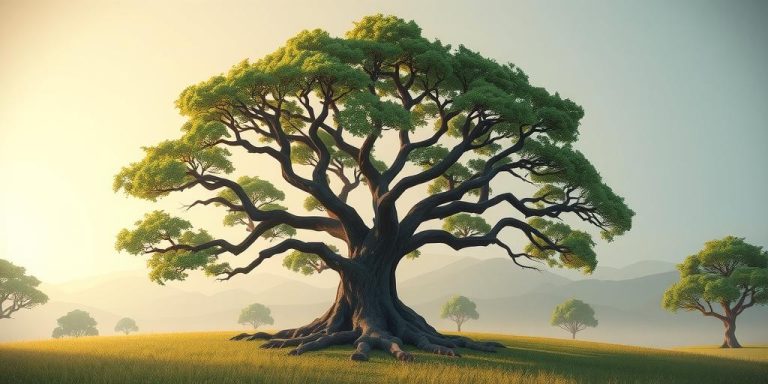
Nature is truly a remarkable source of inspiration, offering a rich tapestry of diversity and complexity that fuels creativity.
From the intricate patterns on a leaf to the vastness of a mountain range, nature sparks our curiosity and elicits emotional responses. Spending time outdoors allows us to reconnect with ourselves, leading to moments of clarity that enhance our creative thoughts.
Research shows that immersing ourselves in natural settings can significantly boost creativity; one study even reported an impressive 50% increase after just four days in nature.
Ultimately, whether it’s through artistic expression or personal reflection, embracing the beauty of nature opens doors for innovative ideas and deeper understanding.


Last update on 2026-10-12 / Affiliate links / Images from Amazon Product Advertising API
1. Biomimicry: Nature as Innovation
Biomimicry highlights how nature is a brilliant teacher of innovation. Over millions of years, nature has perfected designs that are not only efficient but also sustainable.
For instance, the lotus leaf attracts attention for its self-cleaning properties, inspiring the development of surfaces that repel dirt and grime. Similarly, the architecture of termite mounds has informed energy-efficient building designs, emphasizing how natural structures effectively regulate temperature and airflow. This approach encourages us to view nature not merely as a resource but as a guide for innovation.
By mimicking natural processes, we can reduce waste and lower energy consumption, promoting sustainability in our creations. Companies are increasingly turning to biomimicry principles to craft products that are both functional and environmentally friendly.
This practice also fosters collaboration across disciplines, merging biology with engineering, art, and design. For example, by studying ecosystems, we can innovate in agriculture, such as developing pest-resistant crops modeled after natural predator relationships.
In urban planning, integrating natural elements into city landscapes enhances resilience and livability.
Observing how nature addresses challenges opens the door to technologies that benefit both society and the planet, deepening our appreciation of the natural world’s complexity.
| Aspect | Description |
|---|---|
| Diversity and Complexity | Nature’s vast range of organisms and ecosystems provides endless inspiration. |
| Emotional and Aesthetic Appeal | Natural beauty evokes emotions that can fuel artistic creativity. |
| Connection to Self | Time in nature fosters personal reflection, enhancing creativity. |
| Enhancement of Cognitive Function | Exposure to nature improves creativity scores in studies. |
| Healing and Stress Reduction | Nature acts as a stress reliever, promoting clearer thinking. |
| Inspiration from Natural Patterns | Natural structures inspire architectural and artistic designs. |
| Mindfulness and Presence | Nature fosters present-moment awareness that aids creative breakthroughs. |
| Fostering Curiosity | Engagement with nature sparks curiosity and innovative exploration. |
| Cognitive Flexibility | Nature encourages flexible thinking for unique problem-solving. |
| Cultural and Historical Inspiration | Nature has historically inspired art and literature. |
| Biomimicry | Nature’s processes lead to innovative design solutions. |
| Community and Connection | Shared nature experiences enhance collaboration and creativity. |
| Spiritual Connection | Nature fosters spiritual insights that deepen creative purpose. |
| Balancing Challenges | Nature teaches balance, benefiting creative pursuits. |
| Nature as a Teacher | Nature provides lessons in resilience and adaptability. |
| Artistic Expression | Nature inspires various artistic media for self-expression. |
| Mindful Observation | Nature journaling deepens observation and reflection. |
| Environmental Awareness | Nature engagement heightens environmental consciousness. |
| Sustainability in Creativity | Nature promotes sustainable creative practices. |
| Timelessness of Nature | Nature’s cycles inspire enduring themes in creative works. |
2. Community and Connection in Natural Settings
Nature often serves as a powerful backdrop for building community and fostering connections among people.
When individuals come together in natural settings, whether for a hike, a camping trip, or even a community gardening project, they share experiences that can deepen their social bonds and create a sense of belonging.
Activities in nature encourage collaboration, sparking creativity as groups work together on projects like painting or organizing outdoor events.
Moreover, nature provides a neutral space, allowing individuals to connect without the distractions of daily life.
This setting enhances teamwork and communication skills, as participants engage in conversations and activities that promote a sense of unity.
Shared stories and memories formed in these environments often lead to stronger relationships that extend beyond the initial encounter.
Additionally, community gatherings in nature can inspire collective action toward environmental issues. When people share a love for the outdoors, they often feel a greater responsibility for environmental stewardship, motivating them to work together for conservation efforts.
Nature can facilitate meaningful discussions among diverse groups, allowing unique perspectives to come together in a collaborative spirit.
Creating spaces for interaction in natural settings not only enhances individual well-being but also strengthens the group dynamic, fostering a supportive, engaged community.
Ultimately, the connections formed in nature can enrich lives and inspire collective creativity, making the outdoors a cherished venue for building relationships.
- Shared experiences in nature can strengthen social bonds and foster a sense of belonging.
- Group activities like hiking, camping, or community gardening encourage collaboration and creativity.
- Nature provides a neutral space for people to connect, free from the distractions of daily life.
- Participating in outdoor events can enhance teamwork and communication skills.
- Nature-based gatherings often inspire collective artistic projects, such as murals or community art installations.
- Engaging in nature together can lead to shared stories and memories that deepen relationships.
- Communal experiences in nature can also spark collective action towards environmental issues.
- Nature can serve as a backdrop for meaningful discussions and collaborations among diverse groups.
- Community connection in nature can lead to a greater sense of responsibility for environmental stewardship.
- Creating spaces for community interaction in nature can enhance the overall well-being of individuals and the group.

Last update on 2026-10-12 / Affiliate links / Images from Amazon Product Advertising API
3. Spiritual Connection in Nature
Many people find a deep spiritual connection in nature, experiencing moments of awe and wonder that lead to profound insights. For countless cultures, nature is viewed as a sacred space, a realm where individuals can connect with forces greater than themselves.
Whether it’s the majesty of a mountain range, the tranquility of a flowing river, or the stillness of a quiet forest, these natural elements often serve as powerful symbols in spiritual practices.
Spending time outdoors can promote introspection, allowing individuals to explore their beliefs and values. This journey can lead to personal growth and a more profound sense of purpose.
Moreover, the beauty of nature encourages gratitude and mindfulness, enhancing spiritual well-being.
When we immerse ourselves in the natural world, we are reminded of our interconnectedness with all living things, reinforcing the idea that we are part of a larger ecosystem.
Nature also teaches us to appreciate life’s cycles, from birth to growth to decay, fostering a deeper understanding of our own lives.
In spiritual practices such as meditation or yoga, being outdoors can elevate the experience, grounding us in the moment.
Additionally, nature often provides solace during times of grief or stress, creating a peaceful space for healing.
Ultimately, these experiences in nature can lead to a richer, more meaningful spiritual life, inspiring creativity and a deeper connection to ourselves and the world around us.
4. Balancing Challenges with Creativity
Nature gives us a beautiful example of how to balance challenges with creativity. Ecosystems thrive despite facing various obstacles, showing us that difficulties can be embraced rather than avoided.
For instance, consider how certain plants adapt to harsh climates by developing unique survival strategies. This resilience is a reminder that our creative journeys can also benefit from confronting challenges head-on.
When we encounter setbacks in our creative processes, we can draw inspiration from nature, which constantly adapts and finds new ways to flourish.
Understanding the balance in nature helps us harmonize our creative efforts. Just as ecosystems maintain equilibrium, our creative work can achieve a more impactful outcome when we acknowledge both our successes and failures.
Learning to navigate these ups and downs can enhance our problem-solving skills and foster personal growth.
After all, nature’s cycles of renewal remind us that creativity often flourishes after periods of struggle, much like the vibrant blooms that follow a harsh winter.
Furthermore, nature encourages exploration and experimentation. The trial and error seen in the natural world can lead to groundbreaking ideas in our own creative endeavors.
For example, observing how animals adjust their behavior in response to environmental changes can inspire innovative solutions in art or design.
Recognizing the beauty in imperfection, as nature does, can also inspire authenticity in artistic expression. Ultimately, creativity thrives in an environment that welcomes challenges, allowing us to grow just as nature does.
5. Nature as a Teacher of Resilience
Nature showcases resilience beautifully. From forests recovering after wildfires to coral reefs bouncing back from bleaching events, ecosystems’ ability to heal illustrates resilience across all forms of life.
Observing how plants bend but do not break in storms, or how animals adapt to changing environments, can inspire us to embrace our own challenges.
It’s a reminder that just like nature, we too can adapt and grow in the face of adversity.
Resilience in nature often emphasizes interconnectedness. Ecosystems thrive because each part relies on the others, teaching us that our personal growth can be enhanced through connections with others.
The cycles of nature, such as the changing seasons, remind us of the importance of patience and perseverance.
Winter may seem harsh, but it inevitably gives way to spring’s renewal, illustrating that growth often follows hardship.
By learning from nature, we can develop effective strategies to cope with stress and adversity.
Nature’s resilience serves as a metaphor for our experiences, showing us that setbacks can lead to new opportunities and insights.
Engaging with resilient ecosystems can motivate us to cultivate resilience in our own lives and communities. Nature encourages us to embrace uncertainty, allowing for creative exploration and adaptation as we navigate our personal journeys.
Ultimately, by embracing the lessons nature offers, we can foster a resilient mindset that supports our creative pursuits and personal growth.

- 🌙 Handmade One-by-One and Quality Checked a Minimum of 3 Separate Times
- ✨ White Sage is an Ancient Herb Used to Cleanse and Purify Your Surroundings
- 🔎 Our Wonderful 2 Page Instructions Booklet Paints a Clear and Simple Picture of How to Use Your Sage & Palo Santo
- 🌎 Grown on Private Land in the Mountains Around California
- 💙 Blue River Sage is Determined to Bring Beautiful Sage Products to as Many People as Possible!
Last update on 2026-10-12 / Affiliate links / Images from Amazon Product Advertising API
6. Artistic Expression Through Nature
Nature has an incredible way of inspiring artists. From vast landscapes to the delicate details of flowers, the beauty of the natural world serves as an endless source of creativity.
Artists engage with various media such as painting, photography, and writing to express their experiences in nature, capturing not just the sights but also the feelings that accompany them.
This artistic expression can evoke deep emotions and provoke thought, creating a connection between the viewer and the environment.
Many artists choose to use natural materials, such as clay or wood, to create their works. This choice often adds layers of meaning, as the materials themselves carry the essence of nature.
Techniques like plein air painting, in which artists create works outdoors, encourage a profound engagement with their surroundings, allowing them to absorb the essence of the landscape as they work.
Nature influences artistic styles too, encouraging a focus on organic shapes, vibrant colors, and intricate textures. Collaborative art projects in outdoor settings can foster community engagement and spark creativity among participants, as shared experiences in nature often lead to collective inspiration.
Moreover, art inspired by nature can raise awareness of environmental issues, urging viewers to reflect on conservation efforts and the importance of protecting our planet.
Through art, individuals can explore nature and cultivate a sense of wonder and appreciation for the world around them. This exploration often encourages experimentation with new techniques and styles, pushing the boundaries of creativity.
Observing the intricate patterns in nature feeds the imagination and can lead to innovative ideas, turning a simple walk in the woods into a profound journey of artistic discovery.
7. Mindful Observation in Nature Journaling
Nature journaling is a wonderful way to practice mindful observation. It encourages you to slow down and really look at your surroundings, capturing not just what you see but also your thoughts and feelings about it.
This act of detailed observation helps you be present, immerse yourself in the moment, and foster a deeper connection with the natural world.
When you take the time to sketch or write about the beauty around you, like the intricate patterns on a leaf or the way sunlight filters through the trees, you enhance your creativity.
This exploration leads to new insights and reflections, allowing you to see familiar sights in fresh ways.
Through journaling, you can document seasonal changes, which helps to cultivate a greater appreciation for the cycles of nature and the stories they tell.
Mindful observation also sharpens your observational skills. This is not just beneficial for art; it can enhance your overall creativity, allowing you to approach problems from different angles.
Engaging all of your senses during nature journaling, smelling flowers, listening to birds, and feeling the texture of bark, enriches the experience and deepens your personal connection to the environment.
Additionally, nature journaling can be a therapeutic tool. It offers a space for reflection, reducing stress and promoting mental well-being.
Sharing your journal with others can inspire collaboration and learning, creating a sense of community around shared experiences in nature.
Ultimately, your nature journal can become a treasure trove of inspiration for future creative endeavors.
8. Environmental Awareness Through Nature
Spending time in nature can significantly enhance our understanding of environmental issues. When we immerse ourselves in the outdoors, we start to see the effects of pollution, climate change, and habitat destruction firsthand.
For instance, a walk through a park might reveal litter or dying trees, prompting us to reflect on our own habits and their impact on the environment.
This direct experience fosters a deeper connection to nature, urging us to engage in conversations about conservation and sustainability.
Nature not only inspires discussions about protecting our planet but also stirs curiosity. Observing diverse ecosystems can ignite a desire to learn more about biodiversity and the delicate balance necessary to maintain it.
Whether it’s watching birds build their nests or witnessing the changing seasons, these encounters often lead to questions about how we can advocate for our natural surroundings.
Moreover, engaging with nature encourages a sense of responsibility. When we witness its beauty, we often feel motivated to take action, whether through participating in local clean-up initiatives or supporting policies that promote environmental protection.
The stunning landscapes we encounter serve as reminders of what we stand to lose if we do not take steps to preserve them for future generations.
Experiences in nature can also highlight the consequences of human actions. For example, seeing deforested areas or polluted rivers makes the abstract concept of environmental degradation tangible and relatable.
This connection can inspire individuals to become environmental stewards, taking active roles in addressing these challenges.
Additionally, participating in activities such as ecological restoration projects not only enhances our awareness but also empowers us to feel like agents of change.
These hands-on experiences allow us to witness the positive impacts of our efforts, reinforcing the idea that every small action counts.
Nature-based education programs can further inspire younger generations to become informed advocates for the environment, ensuring a legacy of awareness and action.

- 🌷 SET INCLUDES: 50 grams of Natural Oudh (Agarwood) Incense Sticks; 18 to 21 sticks approx. Each stick is more than double the size of regular sticks.
- 🌷 Exotic divine scent for Home, Spirituality & Meditation.
- ✅ SLOW BURNING: Each incense stick burns for about 75 minutes, emitting pleasant aroma and white smoke. Long-burning.
- ✅ Small batch care. Rolled in India.
- 🙏 Free returns.
Last update on 2026-10-12 / Affiliate links / Images from Amazon Product Advertising API
9. Sustainability in Creative Practices
Nature has a profound influence on creative practices that emphasize sustainability and environmental responsibility.
By incorporating natural materials into art and design, creators can foster a deeper connection with the environment. This approach not only encourages the use of recycled or upcycled materials, reducing waste, but also promotes innovative solutions that respect and honor ecosystems.
For instance, artists may use reclaimed wood or biodegradable paints, highlighting the beauty of sustainable choices. Furthermore, sustainability in creativity encourages a circular mindset in which resources are utilized efficiently and mindfully.
Collaborative projects focused on sustainability can engage communities, inspire collective action, and raise awareness through artistic expression.
By reflecting on nature’s processes, creators develop methods that minimize their environmental impact while enhancing the overall quality of their work.
Ultimately, embracing sustainability in creative practices not only nurtures the environment but also enriches the artistic journey, leading to impactful and meaningful creations.
10. Timelessness of Nature in Art and Literature
Nature’s cyclical patterns and enduring beauty serve as a wellspring of inspiration, giving rise to timeless themes in art and literature.
From ancient texts to modern novels, nature has been a central motif that reflects humanity’s relationship with the world around us.
Classic works often draw on the beauty and complexity of natural landscapes, illustrating how nature’s elements can evoke profound emotions and resonate with universal human experiences.
Themes of growth, decay, and renewal found within nature mirror our own journeys, making these artistic expressions relatable across generations.
Consider how poets like William Wordsworth celebrated nature’s impact on the human spirit, or how painters like Claude Monet captured the fleeting beauty of light on water.
These works transcend time, inviting readers and viewers to reflect on their own connections to the natural world. Additionally, nature provides a backdrop for stories exploring human relationships, offering insights into life’s complexities.
The beauty found in a blooming flower or a serene forest scene inspires countless artists and writers, creating a rich tapestry of creative expression.
This timelessness also encourages contemplation about existence and our place within the universe.
As we engage with nature through art and literature, we connect not only with the environment but also with future generations, fostering a sense of responsibility towards preserving the beauty that inspires us.
Ultimately, nature continues to inspire new interpretations and insights, reminding us of its relevance across time and culture.

- Relaxation and Sleep Support: Relax your body and calm your mind with these relaxation and sleep CDs designed to promote restful sleep and stress relief
- Authentic Nature Recordings: Includes the sounds of calming ocean waves, a peaceful stream, relaxing rain and soothing guitar, with tracks that are continuous recordings and are not looped
- Created by Music Therapist: Developed by a music therapist who gives a percentage of profits to help kids with cancer
- Premium Quality Manufacturing: High-quality CDs made in the USA – Unlike cheaper CDs like CD-Rs, this CD will work in all players
- Thoughtful Gift Packaging: Gift quality packaging makes a thoughtful gift for those with stress, anxiety or insomnia
Last update on 2026-10-12 / Affiliate links / Images from Amazon Product Advertising API
Frequently Asked Questions
How can being in nature inspire my creativity?
Being in nature can spark your creativity by providing new sights, sounds, and experiences that open your mind. When you’re surrounded by natural beauty, it can help you think differently and come up with fresh ideas.
What are some benefits of spending time outdoors for inspiration?
Spending time outdoors can boost your mood, reduce stress, and improve focus, all of which are great for inspiration. Natural settings often help clear your mind, allowing new thoughts and ideas to flow more easily.
Can nature influence how I feel emotionally?
Absolutely! Nature can have a big impact on your emotions. For instance, seeing a beautiful landscape can make you feel happier and more relaxed, helping you connect with your feelings and find inspiration.
What are some outdoor activities that can help me find inspiration?
Activities like hiking, birdwatching, or simply taking a walk in the park can help you find inspiration. Engaging all your senses while exploring can lead to new thoughts and ideas about your projects or interests.
How does nature affect the way I think or solve problems?
Nature can improve your thinking by allowing your mind to wander and process information more freely. This change of environment helps you see problems from different angles, potentially leading to innovative solutions.
Nature serves as a powerful source of inspiration for creativity because of its beauty, diversity, and the deep emotional and cognitive benefits it provides.
Engaging with the natural world enhances personal reflection, encourages mindfulness, and sparks curiosity, leading to innovative thinking and artistic expression.
Additionally, nature fosters a sense of community, offers lessons in resilience, and promotes sustainable creative practices, making it an invaluable resource for personal and collective growth.