
Unlocking the Secrets of Barefoot Running: Transform Your Stride Naturally
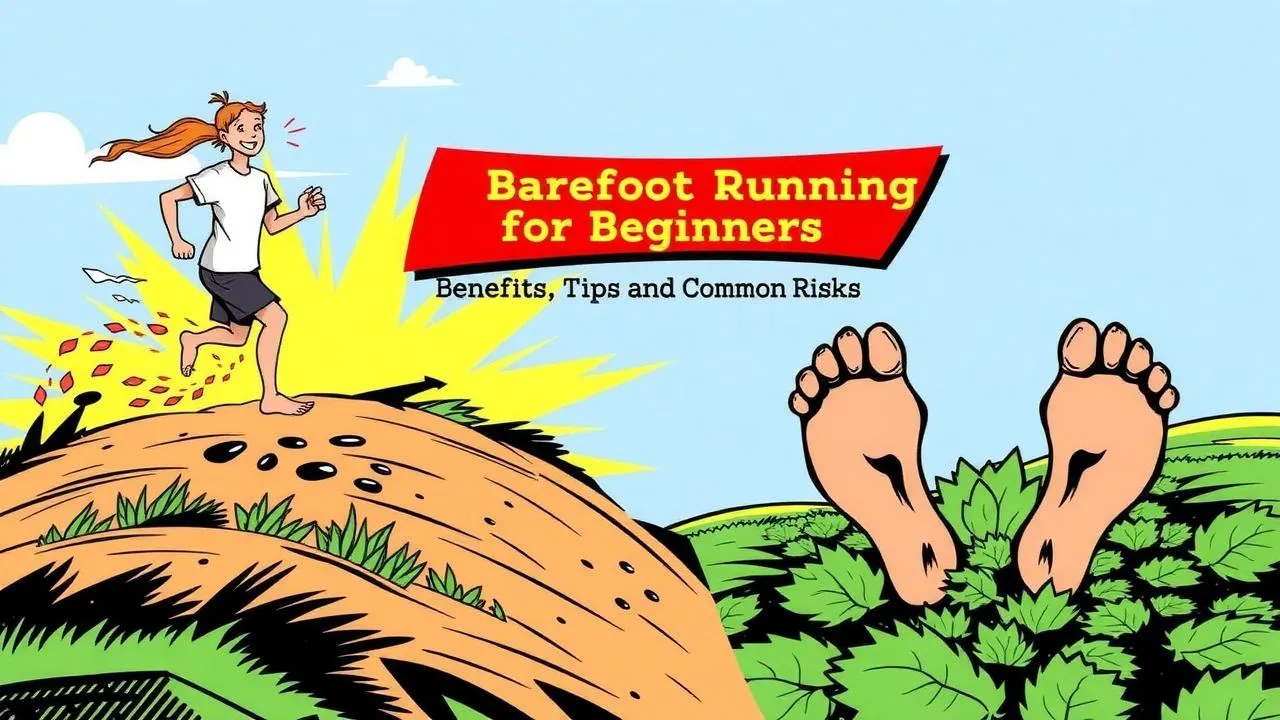
Starting barefoot running can bring several real benefits, including stronger feet and a better running form, as it encourages landing on the midfoot or forefoot instead of the heel.
This style often reduces impact on knees and improves balance by activating smaller muscles you don’t usually use with regular shoes.
However, beginners should take it slow, starting with walking on soft surfaces and gradually increasing distance.
This is key to avoiding blisters, calf strain, or plantar pain.
Keep strides short and land lightly to reduce injury risk. Minimalist shoes might help protect your feet while still allowing a natural feel during transition.
Always listen to your body!

- Padded rear collar pad for achilles comfort
- 5mm POWER FOOTBED for underfoot cushioning
- Engineered knit upper for a sock-like fit and flexible feel
- Zero-drop, non-elevated sole for proper posture and balance
- Sticky-grip rubber outsole combines grip, traction, and durability for trail-ready performance
Last update on 2026-10-05 / Affiliate links / Images from Amazon Product Advertising API
Table of Contents
- Benefits of Barefoot Running for Foot Strength and Injury Reduction
- How Barefoot Running Improves Running Form and Balance
- Starting Barefoot Running: Essential Tips for Beginners
- Avoiding Injuries: Common Risks of Barefoot Running
- Understanding Biomechanics in Barefoot Running
- Choosing the Right Minimalist Shoes for Transition
- Managing Muscle Adaptation and Preventing Pain
- How Barefoot Running Affects Joint Stress and Movement
- Gradual Progression Strategies for Safe Barefoot Running
- Frequently Asked Questions
Benefits of Barefoot Running for Foot Strength and Injury Reduction

Running barefoot naturally strengthens the muscles, tendons, and ligaments in your feet by encouraging movement without the usual shoe support.
This allows your foot to function more naturally, building resilience and stability over time.
When you run barefoot, you tend to land on your forefoot or midfoot, which helps reduce the pounding impact on your heels and knees, lowering the risk of common running injuries.
This landing style also promotes a lighter, smoother running technique, encouraging you to land softly and roll forward rather than slamming down hard.
As you adapt, barefoot running activates small stabilizing muscles not just in your feet, but also in your ankles, legs, and hips, which improves your balance and body awareness.
You’ll notice increased sensory feedback from the ground, helping your feet spread out naturally and create a more stable base while running.
Studies show that barefoot running reduces the maximum vertical ground reaction forces, resulting in less stress on joints such as the knees and hips.
It also tends to increase your stride frequency and shorten stride length, which reduces the time your foot spends on the ground and can help prevent injury.
Additionally, barefoot running may slightly improve running economy by reducing the weight of shoes and enhancing elastic energy storage in the foot’s arch.
Switching to a forefoot strike pattern can decrease knee extension moments, which can be especially beneficial if you experience
| Benefit | Description |
|---|---|
| Strengthens Foot Muscles | Promotes forefoot and midfoot strike patterns that lower impact forces on the heels and knees. |
| Reduces Injury Risk | Improves ground connection, allowing better foot spreading and a stable base during running. |
| Improves Running Technique | Encourages lighter, smoother landings on the midsole or forefoot for better form. |
| Enhances Balance | Activates small stabilizing muscles in feet, ankles, legs, and hips to improve balance and body awareness. |
| Increases Sensory Feedback | Higher stride frequency and shorter stride length reduce ground contact time and decrease the likelihood of injury. |
| Lowers Ground Reaction Forces | Reduces maximum vertical ground reaction forces, lessening joint stress on knees and hips. |
| Optimizes Stride | Higher stride frequency and shorter stride length reduce ground contact time and injury chances. |
| Improves Running Economy | Reduces shoe weight and enhances elastic energy storage in the foot arch for efficiency. |
| Forefoot Strike Benefits | Decreases knee extension moments, benefiting runners with knee pain or issues. |
| Encourages Natural Biomechanics | Promotes healthy foot strike and biomechanics that can prevent common running injuries. |
How Barefoot Running Improves Running Form and Balance
Barefoot running naturally encourages landing on the midfoot or forefoot, which helps align your body more effectively and reduces the harsh braking forces associated with heel striking.
This shift promotes shorter, quicker strides that improve running efficiency and reduce the impact your legs absorb with each step.
When you run barefoot, the muscles around your feet and ankles get more active, which strengthens these stabilizers and enhances your overall balance.
It also improves proprioception, meaning your brain receives more detailed sensory feedback from your feet about the ground beneath you, allowing you to adjust your movements instantly.
Without the cushion of shoes, heel striking becomes less common, which prevents overstriding and poor posture.
Instead, barefoot running encourages a slight forward lean and proper alignment, improving your posture as you move.
You’ll notice increased knee flexion when your foot hits the ground, making your landings softer and reducing the shock on your joints.
Another significant benefit is the development of stronger foot arches, which act as natural shock absorbers, supporting better foot mechanics and reducing fatigue.
As you get used to barefoot running, you’ll become more aware of your body position and movement patterns.
This heightened awareness enhances coordination between your foot, ankle, knee, and hip joints, resulting in smoother and more balanced running.
For example, many runners find that their stride becomes more rhythmic and controlled, which can help prevent injuries and make running feel easier overall.
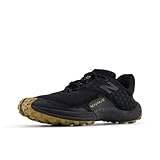
- FuelCell foam delivers a propulsive feel to help drive you forward
- AT Tread outsole provides versatile traction during both on and off-road activities
- Lightweight and durable textile material
- Upper features no-sew construction for a sleek fit and feel
- 0 mm drop; due to variances created during the development and manufacturing processes, all references to 0 mm drop are approximate
Last update on 2026-10-05 / Affiliate links / Images from Amazon Product Advertising API
Starting Barefoot Running: Essential Tips for Beginners
If you’re new to barefoot running, start slow by walking barefoot on soft, safe surfaces like grass, rubber tracks, or treadmills.
This helps build foot strength gradually without overwhelming your muscles and tendons.
Before you run, warm up by walking several laps to get your feet and legs ready for movement.
When you start running barefoot, keep your sessions short and increase your distance by no more than 10% each week, allowing your body time to adapt.
Focus on landing lightly on your midfoot or forefoot, rolling smoothly toward your toes, rather than striking heavily with your heel.
Using shorter strides helps reduce impact and lower the risk of injury.
After running, take time to stretch and care for your feet to prevent tightness and blisters, which are common early on.
If you want protection while still moving naturally, try minimalist shoes that mimic barefoot running.
Look for options with a low or zero heel-to-toe drop to encourage natural foot movement.
Keep an eye on how your feet feel.
If you experience persistent pain or discomfort beyond normal soreness or minor blisters, consider reducing your barefoot running and consulting a healthcare or sports professional.
Remember, patience and gradual progression are key to safely enjoying the benefits of barefoot running.
- Begin by walking barefoot on soft, safe surfaces, such as grass, rubber tracks, or treadmills, to build foot strength.
- Warm up by walking several laps before attempting short barefoot running sessions.
- Increase barefoot running distance gradually, no more than 10% per week, to allow muscles and tendons to adapt.
- Focus on landing lightly on the midfoot or forefoot, rolling smoothly toward the toes.
- Use shorter strides and avoid heavy heel strikes to minimize your risk of injury.
- Stretch and care for your feet after running to prevent tightness and blisters.
- Consider minimalist shoes that mimic barefoot running to facilitate a smooth transition.
- Choose minimalist shoes with a low or zero heel-to-toe drop to promote natural foot movement.
- Monitor feet for signs of pain or injury and reduce barefoot running if discomfort persists.
- Consult a healthcare or sports professional if pain continues beyond normal soreness or blisters.
Avoiding Injuries: Common Risks of Barefoot Running
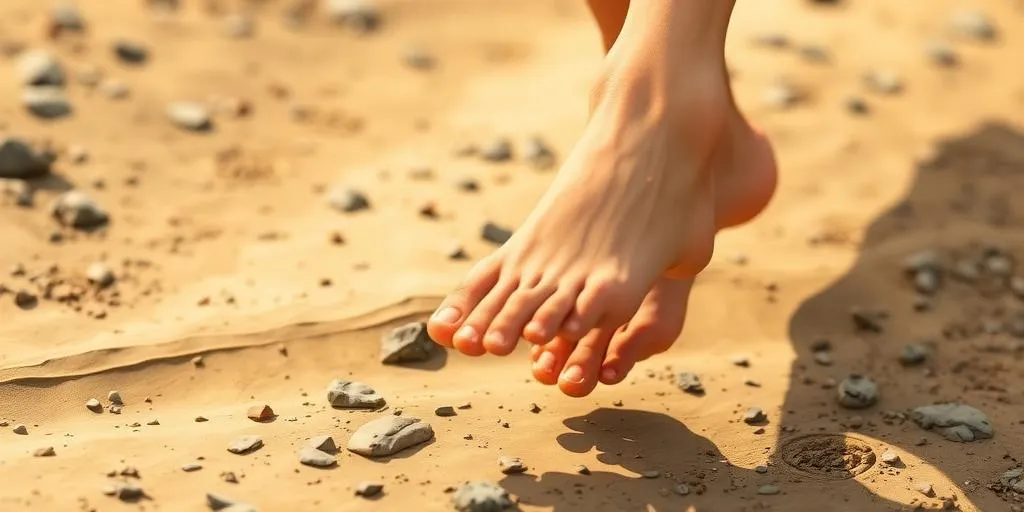
Running barefoot exposes your feet to hazards like glass, rocks, nails, and extreme temperatures since you don’t have the protection of shoes.
Jumping suddenly into barefoot running without preparing your feet can cause plantar pain, blisters, or even plantar fasciitis because your feet need time to build up strength and toughen.
The shift to forefoot striking puts more stress on your Achilles tendon and calf muscles, which can lead to tendinitis or strains if you don’t allow proper adaptation.
Some runners may face overuse injuries due to increased ankle joint moments resulting from landing on the forefoot more frequently.
It’s common to feel muscle soreness and fatigue at first because the smaller foot muscles are working harder than they do in cushioned shoes.
While minimalist shoes offer some protection, they don’t fully replicate barefoot mechanics and won’t prevent all injuries.
Since there aren’t many long-term studies, the full injury risks aren’t completely clear or predictable for every runner.
Rushing your transition or increasing mileage too quickly can cause stress fractures or soft tissue injuries, especially if you run on hard or uneven surfaces too soon.
Ignoring early pain or discomfort can turn minor issues into chronic injuries that take much longer to heal.
Taking it slow, listening to your body, and choosing safe places to run can help reduce these risks as you adjust to barefoot running.

- 100% recycled breathable mesh upper
- Merrell Air Cushion in the heel absorbs shock and adds stability
- 100% recycled laces and webbing
- Molded nylon arch shank
- Bellows tongue keeps out debris
Last update on 2026-10-05 / Affiliate links / Images from Amazon Product Advertising API
Understanding Biomechanics in Barefoot Running
When you run barefoot, your body naturally shifts to landing on the forefoot or midfoot, rather than the heel.
This change helps reduce the sharp impact peaks that commonly happen with heel striking, which can stress your knees and hips.
At ground contact, your foot and ankle show less dorsiflexion, meaning the heel doesn’t hit the ground as hard, but this also means your calf muscles need to work harder to absorb the force and stabilize your leg.
You’ll also notice more knee flexion when your foot lands, which lowers the knee extension moments and might reduce joint stress, especially around the patellofemoral joint.
Another key adaptation is that barefoot running naturally leads to shorter stride lengths with a higher stride frequency. This helps minimize ground contact time and can contribute to lower injury risks.
Muscle activity changes as well: the calf muscles become more active to manage the increased demands, while the tibialis anterior, which is responsible for lifting the foot, tends to be less engaged.
The way forces travel through your legs also shifts. Ground reaction forces change direction and intensity, altering how your joints are loaded.
Landing on the forefoot redistributes these forces, increasing engagement of the muscles around the ankle and foot.
This not only strengthens those areas but also improves the foot arch’s ability to store and release elastic energy, helping you push forward with greater efficiency.
However, these biomechanical changes are significant, so it’s important to transition slowly.
Jumping into barefoot running too quickly can overload your calf tendons and foot muscles, leading to soreness or injury.
Taking time to adapt allows your body to strengthen and adjust to the new movement patterns safely.
Choosing the Right Minimalist Shoes for Transition
When starting barefoot running, picking the right minimalist shoes can make a big difference in your comfort and injury risk.
Look for shoes that are lightweight and flexible, with a low or zero heel-to-toe drop to mimic the natural mechanics of barefoot running.
Avoid shoes with thick cushioning or stiff soles since these can limit your foot’s natural movement and toe splay.
Shoes must fit snugly without being too tight, allowing your foot to move freely but still offering some protection from hazards like rocks or glass.
Consider your foot shape, arch height, and running style when selecting shoes, as these factors determine what will feel most comfortable for you.
For example, if you have knee issues, minimalist shoes with a slightly higher heel drop might help reduce knee strain while still encouraging a more natural foot strike.
Try on several pairs and test them by walking and running to see how comfortable they feel before making a choice.
Also, consider the terrain you’ll be running on; some minimalist shoes have thinner soles, suited for smooth surfaces, while others have thicker soles for rough trails.
Avoid shoes that force your feet into an unnatural posture or restrict toe spreading, as this can cause discomfort and undermine the benefits of barefoot-style running.
Remember to introduce minimalist shoes gradually into your routine, allowing your muscles and tendons time to adapt without overloading them.
If you’re unsure which shoe will suit your running biomechanics best, consulting a specialist like a physical therapist or a running coach can guide you toward the right option.
Managing Muscle Adaptation and Preventing Pain
When starting barefoot running, it’s essential to take it slow to give your foot muscles, tendons, and ligaments time to build strength.
Jumping into long runs barefoot too quickly can lead to soreness or injury.
Adding foot-strengthening exercises, such as toe curls, arch lifts, and calf raises, can help prepare your feet for the new demands.
Before running barefoot, always warm up properly to increase blood flow and reduce the risk of injury.
Focus on running form by landing softly on your midfoot or forefoot, avoiding heavy heel strikes and noisy footfalls.
Rest days and cross-training are key to preventing overuse injuries during this transition.
Pay close attention to pain: normal muscle soreness is expected, but sharp or lasting pain is a warning sign.
Regularly stretch your calf muscles and Achilles tendons to maintain flexibility and reduce tightness.
If you experience mild pain or swelling after running, applying ice or taking anti-inflammatory measures can help alleviate the discomfort.
Remember to increase your barefoot running distance gradually, no more than 10% each week.
If pain or tightness persists despite rest, consulting a physical therapist is a smart step to avoid long-term problems.
How Barefoot Running Affects Joint Stress and Movement
Barefoot running changes the way your joints handle stress by encouraging a forefoot or midfoot strike, which reduces the impact forces on your heel and lowers stress on your ankles and knees.
This shift also reduces knee extension moments, helping to alleviate pressure on the patellofemoral joint, which can be a significant relief for runners experiencing knee pain.
However, since the ankle takes on more work, there’s an increase in ankle joint moments, putting more load on your calf muscles and Achilles tendons.
To balance this, barefoot runners naturally adopt a higher stride frequency and softer landings, which helps spread forces more evenly across the joints.
Your foot’s mobility improves too, allowing you to absorb shock more effectively and maintain better joint alignment as you run.
This natural foot motion reduces twisting forces that can irritate joints, such as the hips and knees, thereby lowering repetitive strain.
Additionally, barefoot running promotes greater control of ankle dorsiflexion and activates the foot arch more effectively, which supports overall stability.
However, it’s essential to ease into barefoot running gradually; jumping in too quickly can overload your ankle and foot joints, potentially causing new injuries despite reducing some impact-related problems.
Taking it slow allows your muscles, tendons, and joints to adapt to these new stresses safely, making barefoot running a more innovative and more joint-friendly way to move.

- 100% recycled breathable mesh upper
- Merrell Air Cushion in the heel absorbs shock and adds stability
- 100% recycled laces and webbing
- Molded nylon arch shank
- Bellows tongue keeps out debris
Last update on 2026-10-05 / Affiliate links / Images from Amazon Product Advertising API
Gradual Progression Strategies for Safe Barefoot Running
Starting barefoot running safely means taking it slow and steady.
Begin with barefoot walking sessions on soft, safe surfaces, such as grass or a rubberized track, to allow your feet to adjust and toughen up.
Once you’re comfortable, try running barefoot for very short bursts, such as 1 to 2 minutes at a time, followed by rest. This helps your feet and calves adjust to the new demands without overexertion.
A good rule of thumb is to increase your barefoot running time or distance by no more than 10% each week.
This gradual build-up prevents injuries like plantar fasciitis or calf strains that often occur when runners push too hard, too fast.
Be sure to alternate barefoot running days with running in traditional shoes or engaging in cross-training activities.
This balance allows your feet and legs to recover while maintaining your overall fitness.
During every barefoot session, focus on your foot strike and running form.
Aim for a gentle forefoot or midfoot landing with a light, quick step to reduce impact.
Listen closely to your body; if you feel sharp pain or excessive soreness, stop and rest.
It’s essential to distinguish between normal muscle adaptation and warning signs of injury.
If jumping straight into barefoot running feels too intense, minimalist shoes can be a helpful middle ground.
They offer protection from hazards while still allowing your feet to move naturally.
Pair barefoot running with foot and calf strengthening exercises, such as toe curls, calf raises, or balance drills, to build the muscles that support this new way of moving.
Tracking your progress, whether through journaling or using an app, helps you notice how your feet and legs respond and when to adjust your approach.
When in doubt, don’t hesitate to consult a coach or medical professional, especially if you experience persistent pain or injury.
Their guidance can tailor your progression to your unique needs, keeping your barefoot running journey safe and enjoyable.
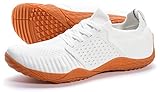
- Produced using animal free products and processes.
- Zero-drop, non-elevated sole for proper posture and balance.
- Removable sockliner (insole) if you want a “more barefoot” feeling.
- Designed with a wider than average toe box to allow the forefoot to spread.
- True rubber sole provides great protection while still getting the ground feedback.
Last update on 2026-10-05 / Affiliate links / Images from Amazon Product Advertising API
Frequently Asked Questions
1. How can I start barefoot running safely without hurting my feet or legs?
Begin slowly by walking barefoot at home or on soft grass to strengthen your feet. When you start running, keep your distances short and pay attention to how your body feels. Gradually increase time and distance to avoid injuries.
2. What are the main benefits of barefoot running compared to wearing regular running shoes?
Barefoot running can improve your foot strength, help you develop a more natural running style, and increase balance and posture. It also provides a better ground feel, which can help reduce impact stress on your joints.
3. What common injuries should I watch out for when switching to barefoot running?
Common issues include sore calves, Achilles tendon strain, foot blisters, and stress fractures if you increase intensity too fast. Transitioning too quickly often causes these, so pacing your progress is key.
4. How does barefoot running affect my running form and stride?
Running barefoot typically encourages a forefoot or midfoot strike, rather than landing on your heels, which can help reduce impact forces. It promotes shorter strides and a lighter step, helping improve overall running efficiency.
5. Is barefoot running suitable for everyone, or are there some people who should avoid it?
While many people benefit, barefoot running may not be ideal for those with specific foot problems, such as flat feet or severe arch issues.
It’s best to consult a healthcare professional before starting, especially if you have pre-existing injuries or conditions.
Barefoot running can boost foot strength, improve your running form, and enhance balance by encouraging a more natural gait.
For beginners, it’s essential to start slowly, focusing on landing softly on the midfoot or forefoot, and gradually increasing your distance to avoid injuries such as blisters or calf strain.
Minimalist shoes can help ease the transition by offering some protection while preserving your natural foot mechanics.
While barefoot running may reduce some joint stress and improve running economy, it comes with risks and isn’t suitable for everyone.
Therefore, listen to your body and consult a specialist if pain persists.




4 Comments