
Unlock Your Inner Athlete: Transform Your Fitness in Just 6 Weeks with This Simple Running Plan

Starting a running journey can seem challenging, but a clear plan makes it easier.
This 6-week schedule is designed for beginners to help build endurance and confidence.
Each week has specific goals, like increasing distance or time spent running, which keeps you motivated.
Mixing in rest days is essential to avoid injury and let your body recover.
Also, staying hydrated and wearing the right shoes can make a difference in comfort.
We will provide some helpful tips and resources, such as apps or local running groups that connect you with others.
With determination and consistency, you’ll see progress before you know it!

- Flexible Fit: Sport X20 workout earbuds come equipped with adjustable ear hooks that can be extended and rotated for a comfortable and secure fit. Up to 30 degrees rotation and 4mm extension, customize the position to fit you perfectly.
- Get More Focus: Sport X20 workout earbuds deliver powerful noise cancelling, turning loud gyms into peaceful areas. Block out distracting sounds—from clanging weights to loud grunts. Manual adjustment and adaptive ANC keep you focused on your fitness goals.
- Pump Up Your Bass: Experience the pulse-pounding thrill of soundcore’s BassUp technology, fueled by powerful 11mm dynamic drivers. Elevate your audio adventure to take your motivation to a new level.
- Everything-Proof Design: The sport earbuds’ unique cavity design and soundcore exclusive SweatGuard technology create a submarine-inspired seal that protects the internal components against damage from water, sweat, and dust. Move without fear.
- soundcore App Support: Download the soundcore app for software updates and access to available features. Personalize your listening with HearID, EQ modes and Spatial Audio settings. OTA firmware updates help keep your earbuds updated.
Last update on 2026-10-13 / Affiliate links / Images from Amazon Product Advertising API
Understanding Your Running Goals
Setting clear running goals is essential for any new runner.
These goals act as a roadmap, guiding you through your journey and keeping you motivated.
Start by identifying what you want to achieve.
Are you aiming to run a certain distance, improve your health, or enjoy the outdoors?
For example, a common goal might be to run a 5K race in a few months.
This gives you a specific target to work towards.
Break your goals down into smaller, manageable steps. Instead of jumping straight into long runs, focus on consistency and gradually build your endurance.
For instance, aim to run three times a week, starting with short distances and increasing them as you progress.
This method prevents burnout and helps you stay committed.
Additionally, consider setting both short-term and long-term goals.
Short-term goals can be weekly targets, like completing a certain number of runs or increasing your distance by a quarter mile.
Long-term goals could include participating in a local race or achieving a specific time for a distance.
Remember, your goals should be realistic and tailored to your fitness level.
Celebrate your achievements along the way, no matter how small.
This positive reinforcement can boost your confidence and motivate you as you continue your running journey.
Week 1: Starting with Walking and Light Jogging
In your first week, focus on getting your body used to regular movement.
Start with a routine that combines walking and light jogging.
Aim for 20 to 30 minutes three times a week.
For example, you might walk for 5 minutes to warm up, alternate between 1 minute of jogging and 2 minutes of walking for about 15 to 20 minutes, and finish with a 5-minute cool-down walk.
This method helps ease your body into running without overwhelming it.
Listen to your body; slow down or take a break if you feel any pain.
Hydration is essential, so drink water before and after your sessions.
You can also consider using a running app to track your progress and keep you motivated.
Remember, this week’s goal is to build a habit of moving, not pushing your limits.

- WHY WE MADE THIS:Need a sports bra that does it all? Look no further! This sweat-wicking cross-strap bra gives you the coverage and support you need for yoga, run, and the gym—without restricting your movement or breath. fabric has added lycra that allows the bra to stretch with you and retain its shape over time. Slip in optional, removable cups for full coverage—if you want it. This bra is intended to provide medium support for great shape retention, long-lasting comfort.
- UNIQUE DESIGN:Criss Criss-cross back detailing gives the V-neck Bra its signature style. But it doesn’t just look good, it’s hard working. Heat transfer tech, a lined shelf bra, and the sports bra for women wrapped in durably soft performance stretch fabric keep you comfy and supported.The cotton-like meterial, soft and comfortable to wear.Crisscross back straps let you twist with ease, Sexy Crossback design offers a extra back support, fashionable and stylish, Stretch Fit Sports Yoga Gym Bra.
- WHAT CAN WE OFFER YOU : Moisture-wicking Technology Metial Which Mean that You Can Enjoy Keeping Your Body Cool & Dry. Super Soft Elastic Band for Comfort & Movement Which Will Allow You Can Enjoy Sinking into Your Practice without Sacrificing Comfort. Built for Mid-Impact Support so You Will Get Staying Fit & Focused .We Wear-tested by Our In-house Team for the Perfect Fit , Goodbye Old Bra !!
- VERSATILE SPORTS BRA: Perfect bra for yoga,exercise,fitness,any type of workout,or everyday use. RUNNING GIRL Yoga bra combine fashion, function and performance. This stylish sport bra is great for wearing under workout shirts as well as non-workout wear, such as tank tops and light clothing.
- 100% SATISFACTION SERVICE: You decide what’s best for you. We stand behind the quality of our bras and offer 30-Days NO RISK customer service. If you are not satisfied for any reason, feel free to email us for assistance.

Last update on 2026-10-13 / Affiliate links / Images from Amazon Product Advertising API
Week 2: Building Endurance and Consistency
During Week 2, the focus shifts to building endurance and consistency in your running routine.
This week, aim for a mix of running and walking to increase your stamina gradually.
A suggested schedule could be running for 1 minute, walking for 2 minutes, and repeated for 20-30 minutes.
As the week progresses, try to incorporate this routine at least three times, allowing rest days in between.
Listen to your body. If you feel overly fatigued, don’t hesitate to adjust your intervals.
For instance, you might run for 30 seconds instead of 1 minute to maintain a comfortable pace.
Also, consider running on different surfaces, like grass or dirt trails, to reduce the impact on your joints and keep things interesting.
Hydration plays a key role in your endurance.
Drink water before and after your runs. To help with recovery and flexibility, you can also try including stretching or light yoga on non-running days.
By the end of this week, you should feel more comfortable with your running routine and ready to take on the next challenge.

Week 3: Increasing Distance and Pace
In Week 3, it’s time to step up your game by increasing both your distance and pace.
Aim to run for 20 to 30 minutes at this stage, focusing on covering a bit more ground than the previous weeks.
For example, if you ran for 15 minutes last week, try reaching 20 minutes this week.
To help with pacing, consider alternating between running and walking; for instance, run for 2 minutes and walk for 1 minute, repeating this cycle until you complete your targeted time.
It’s also important to listen to your body. If you feel fatigued or sore, don’t hesitate to take an extra rest day or adjust your pace.
A good tip is to incorporate one longer run this week, perhaps on the weekend, where you can aim to go a bit further than your usual runs—maybe 30 to 40 minutes of continuous running.
This will help build your stamina.
Additionally, try to maintain a conversational pace while running.
If you can comfortably chat with a friend or even sing a little, you’re likely at a good pace.
Remember to keep hydrating and fuel your body with nutritious foods to support your increased activity.
By the end of Week 3, you should feel a noticeable improvement in your endurance and confidence.
Week 4: Adding Variety to Your Runs
In week four, it’s time to shake things up and introduce variety to your running routine.
Mixing up your runs can prevent boredom and help improve your overall fitness.
One great way to do this is by incorporating interval training.
For instance, you could try a session where you jog for 2 minutes, then sprint for 1 minute, and repeat this for about 20-30 minutes.
This not only boosts your speed but also keeps your heart rate up.
Another option is to change your running route. If you’ve been sticking to the same path, explore new trails or parks in your area. This can make your runs more interesting and enjoyable.
You might discover beautiful scenery or even some challenging hills that can enhance your stamina.
Additionally, consider adding a cross-training day to your week.
Activities like cycling, swimming, or yoga can complement your running, helping to build strength and flexibility.
This balance can reduce the risk of injury and improve your performance in the long run.
Lastly, don’t forget to listen to your body.
Variety is essential, but it’s vital to avoid overexerting yourself. If you feel fatigued, taking it easy or even resting is perfectly fine.
Embrace the journey, and remember that every run counts towards your progress.
Week 5: Preparing for Longer Runs
In week 5, you will focus on preparing your body and mind for longer runs to increase your stamina and confidence. Start by gradually increasing your long-run distance.
For example, if you ran 3 miles in week 4, aim for 4 miles this week. Plan your long run for the weekend when you have more time to dedicate.
It’s also essential to maintain a steady pace; try to run at a conversational speed. This helps you build endurance without burning out too quickly.
In addition to increasing distance, pay attention to your nutrition and hydration. Eat a balanced diet rich in carbohydrates, proteins, and healthy fats.
Before your long run, have a light meal or snack, such as a banana or oatmeal, to fuel your body.
Consider taking water or an electrolyte drink during the run every 30 minutes if it’s a more extended session.
Listening to your body is crucial; if you feel pain or extreme fatigue, don’t hesitate to take a break or cut your run short.
Keep your mid-week runs shorter but focus on maintaining a steady pace.
Aim for about 30 to 40 minutes of running, incorporating a few intervals at a faster pace.
This will help improve your overall speed and endurance.
Also, consider adding strength training exercises, such as squats or lunges, to help build your leg muscles, which will support you in longer runs.
Finally, mental preparation is just as necessary as physical.
Spend time visualizing your longer runs, thinking about how you will feel during and after.
This positive mindset can significantly enhance your performance.
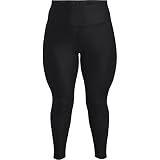
- Medium Support: Snug fit gives balanced support without the squeeze for mid-impact cardio & strength training.
- Our Most Legendary: Super-light HeatGear fabric delivers superior coverage without weighing you down
- Material wicks sweat & dries really fast
- 4-way stretch construction moves better in every direction
- Ergonomic flatlock seams deliver a comfortable, chafe-free fit
Last update on 2026-10-13 / Affiliate links / Images from Amazon Product Advertising API
Week 6: Setting Future Running Goals
As you wrap up your six-week running plan, it’s time to consider where you want to go next.
Setting future running goals helps keep your motivation high and gives you something to work towards.
Start by reflecting on your progress. Did you enjoy running more than you expected? Did you find certain distances challenging?
Once you know your experiences, consider setting specific, measurable goals.
For example, aim to run a 5K within the next three months or increase your weekly mileage by 10% over the next month.
You can also explore different races like fun runs, half marathons, or trail runs.
Joining a local running club can provide support and camaraderie as you pursue these goals.
Remember to keep your goals realistic and adjust them to stay motivated and engaged in your running journey.
Essential Running Tips for Newbies
Starting your running journey can be exciting yet daunting.
Here are some essential tips to help you along the way.
First, invest in a good pair of running shoes.
Proper footwear can prevent injuries and make your runs more enjoyable. Visit a specialty store where experts can analyze your gait and recommend the best shoes.
Next, listen to your body. Feeling some discomfort is normal, but sharp pain is a sign to stop. If you experience any pain that doesn’t feel right, take a break and consult a professional if necessary.
Remember, rest days are as important as training days; they allow your muscles to recover and grow stronger.
Stay hydrated and fuel your body with nutritious foods.
Eating a balanced diet rich in carbohydrates, proteins, and healthy fats can enhance your performance and recovery.
Consider carrying water or a sports drink on longer runs, especially in warm weather.
Set realistic goals. Instead of aiming to run a marathon right away, focus on smaller milestones, like running for 10 minutes without stopping. Celebrate these achievements to keep yourself motivated.
Lastly, find a running buddy or join a local running group. Having someone to run with can make your sessions more enjoyable and help keep you accountable.
Plus, it’s a great way to meet new friends who share your passion for running.
- Start with a proper warm-up to prevent injuries.
- Invest in a good pair of running shoes that fit well.
- Hydrate adequately before, during, and after your runs.
- Maintain a steady pace that allows you to hold a conversation.
- Listen to your body and take rest days as needed.
- Incorporate strength training to support your running.
- Set realistic and achievable goals to keep yourself motivated.
- Track your progress with a running app or journal.
Recommended Resources for Beginners
As you begin your running journey, having the right resources can make a significant difference.
First, consider downloading a running app like Strava or Couch to 5K.
These apps provide structured plans, track your progress, and connect you with a community of runners. Next, invest in a good pair of running shoes.
Visit a specialty store where experts can analyze your gait and recommend the best footwear.
Books can also be a great resource. “Born to Run” by Christopher McDougall offers inspiration and insights into running culture, while “The Complete Beginner’s Guide to Running” provides practical advice for new runners.
Don’t forget about online resources, such as YouTube channels dedicated to running tips and techniques.
Channels like The Running Channel and Sage Running offer valuable tutorials and motivational content.
Lastly, consider joining a local running club or group. This can provide support, accountability, and camaraderie as you train.
Many communities offer beginner-friendly meetups where you can learn from experienced runners and share your journey.

Last update on 2026-10-13 / Affiliate links / Images from Amazon Product Advertising API
Running Tips Frequently Asked Questions
1. What should I wear for my first run?
For your first run, wear comfortable athletic shoes that fit well and breathable clothing suitable for the weather.
2. How long should I run each day as a beginner?
As a beginner, aim to run for about 20-30 minutes, focusing more on time rather than distance.
3. How can I stay motivated to run regularly?
To stay motivated, set small goals, track your progress, and consider finding a running buddy or joining a community.
4. Is it necessary to warm up before running?
Warming up helps prepare your body for running and can prevent injuries, so do light stretches or walk for a few minutes.
5. What should I do if I feel pain while running?
If you feel pain while running, stopping and rest is essential. If the pain persists, consider consulting a doctor or a physical therapist.
This blog post offers a structured six-week plan for new runners, focusing on a gradual progression from walking to running. Each week includes specific goals to increase endurance, speed, and variety. It concludes with tips and resources to help set future running objectives.