
Unlock the Secret to Weight Loss: Is it Really About What You Eat or How Much

Understanding the balance between how much you eat and what you eat is essential for overall health.
The amount of food can affect your body weight, while the quality of the nutrients impacts metabolic health.
Research shows that focusing on portion control helps with weight management. Eating whole foods like fruits, vegetables, and lean proteins is better for you than sugary or fatty foods, which can make you gain weight.
Mindful eating practices encourage awareness of hunger signals and promote healthier choices.
Ultimately, achieving a healthy diet means finding a sustainable way to balance calorie intake with nutrient quality while enjoying meals with family or friends.

- CONCENTRATED JUICED GREENS: Juiced for potency to deliver one serving with 6x more concentrated nutrients and enhanced nutrient absorption than whole-leaf grass powders*
- NUTRIENT‑DENSE SUPERFOOD: Garden of Life RAW Organic Perfect Food includes over 40 greens, sprouts, fruits and vegetables made from concentrated grass juices, green veggie juices and raw organic sprouts
- ENERGY, ALKALINITY & DETOX: This raw green juice powder supports energy, alkalinity and healthy detoxification while delivering chlorophyll, vitamins and minerals*
- CLEAN & CERTIFIED: Certified USDA Organic, NSF Certified Gluten Free, Vegan Certified, Non‑GMO, and Stevia Free
- EASY DAILY SUPPORT: Adults mix 1 scoop daily into water, juice or smoothies for a convenient, nutrient-dense greens supplement

Last update on 2026-10-24 / Affiliate links / Images from Amazon Product Advertising API
Understanding Caloric Intake and Nutrient Quality
Understanding the balance between how much and what you eat is essential for maintaining good health.
Caloric intake is the number of calories you consume, which significantly affects your body weight and overall well-being.
If you consume more calories than your body uses, it can lead to weight gain.
On the other hand, the quality of your food—what you eat—affects not just your weight but also your metabolic health and risk of diseases.
For instance, a diet with whole foods like fruits, vegetables, whole grains, and lean proteins can foster better health outcomes.
In contrast, regular consumption of high-sugar and unhealthy fat foods can lead to excess calorie intake and contribute to weight gain.
Caloric density is another crucial aspect to consider. Eating foods low in calories but high in volume, like salads or soups, can help you feel full without consuming too many calories.
Additionally, psychological factors, such as emotional eating, can lead to overeating, regardless of the food quality.
Mindful eating practices involving being aware of your hunger cues can promote healthier choices and help you manage portions better.
It’s also important to recognize that portions have increased over the years, contributing to higher caloric intake across many populations.
Education about nutrition, including understanding food labels and serving sizes, can empower individuals to make informed diet choices.
Furthermore, meal planning can assist in controlling portions and ensuring that you select healthier ingredients.
Ultimately, the path to achieving a healthy weight and diet lies in finding a sustainable balance between caloric intake and nutrient quality.
| Aspect | Details |
|---|---|
| Caloric Intake | The amount you eat can significantly affect body weight and overall health. |
| Nutrient Quality | What you eat impacts not only weight but also metabolic health and disease risk. |
| Portion Control | Focusing on portion control often leads to better weight management. |
| Whole Foods | A diet rich in whole foods can improve health outcomes. |
| Sugar and Unhealthy Fats | Foods high in sugar and unhealthy fats can lead to excess calorie consumption. |
| Caloric Density | Low-calorie, high-volume foods can help with satiety. |
| Psychological Factors | Emotional eating can lead to overconsumption regardless of food quality. |
| Mindful Eating | Awareness of hunger cues promotes healthier food choices. |
| Evolution of Portion Sizes | Portion sizes have increased, contributing to higher caloric intake. |
| Nutritional Education | Empowers informed choices about how much and what to eat. |
The Impact of Portion Control on Weight Management
Portion control is a significant factor in weight management that often gets overlooked.
Understanding how much you eat can be as crucial as what you eat. Many underestimate their portions, leading to higher caloric intake than intended.
Research indicates that individuals who practice portion control tend to have better success in maintaining their weight.
For example, smaller plates can trick the brain into feeling satisfied with less food.
Moreover, choosing foods low in calories but high in volume, like fruits and vegetables, can help manage portions while still feeling full.
Conversely, high-calorie foods, particularly those laden with sugar and unhealthy fats, can lead to overconsumption and weight gain.
Psychological aspects also play a role; emotional eating can result in consuming larger portions irrespective of food quality.
Mindful eating, which involves being aware of hunger cues and savoring each bite, helps reinforce healthier eating habits.
Additionally, public health initiatives aimed at reducing portion sizes in restaurants and schools are essential for fostering a culture of health.
Focusing on portion sizes and food quality can help individuals take significant steps towards achieving a balanced diet and maintaining a healthy weight.

- 30+ GOOD FOR YOU INGREDIENTS: Meet your delicious daily scoop of greens! Bloom Greens & Superfoods Powder is made with 30+ good-for-you ingredients like prebiotics, probiotics, antioxidants, adaptogens, digestive enzymes, fruits, vegetables and organic superfoods like spirulina and chlorella. The drink supplement makes it easy to add more fruit and vegetables into your diet, so you can bloom into your best self with ease!
- HEALTH BENEFITS: Bloom Nutrition’s Greens Superfood Powder supports gut health and digestion, works to soothe bloating and promotes energy levels all in one delicious daily scoop. Plus, the Super Greens Powder is dairy free, gluten free, keto friendly, non GMO, sugar free, and plant based to support the dietary needs of all lifestyles.
- DELICIOUS MANGO FLAVOR: Here at Bloom Nutrition, we love flavor. That’s why we think your favorite supplements should be made with high-quality ingredients that support your health and taste delicious. Our Mango Super Greens delivers a juicy mango taste with a tropical twist. It’s super refreshing, like a light fruit juice and so good that you’ll look forward to drinking it daily!
- DAILY GREENS ROUTINE: Bloom Greens and Superfood tastes amazing, making it easy to stay consistent and feel your best. Add the drink mix to a smoothie, mix it into juice or water, or put it in your favorite drink recipes for an instant upgrade to your daily wellness routine. 30 servings, 1 scoop per serving.
- FEMALE-FOUNDED: Like many other women, co-founder Mari Llewellyn struggled to find dietary supplements that were made with quality ingredients and tasted delicious. That’s why she created Bloom — approachable and delicious health supplements designed to support your wellness journey and give your body what it needs to bloom.
Last update on 2026-10-23 / Affiliate links / Images from Amazon Product Advertising API
Whole Foods for Better Health Outcomes
Eating whole foods is essential for better health outcomes.
Whole foods, such as fruits, vegetables, whole grains, and lean proteins, are packed with nutrients our bodies need to function optimally.
Unlike processed foods, which often contain added sugars and unhealthy fats, whole foods provide a rich source of vitamins, minerals, and fiber.
For example, an apple is not only low in calories but also offers fiber and antioxidants, which can help reduce the risk of chronic diseases.
Research indicates that people who focus on incorporating more whole foods into their diets manage their weight better and experience improved metabolic health.
This is partly due to the lower caloric density of whole foods, which allows individuals to eat larger portions that keep them full without consuming excessive calories.
For instance, a large salad with plenty of vegetables can be very filling yet low in calories, making it easier to maintain a healthy weight.
Moreover, whole foods can enhance overall well-being by reducing the risk of obesity, diabetes, and heart disease.
They also improve gut health, which is crucial for nutrient absorption and immune function.
By choosing whole foods, individuals can create a balanced diet that supports long-term health and wellness.
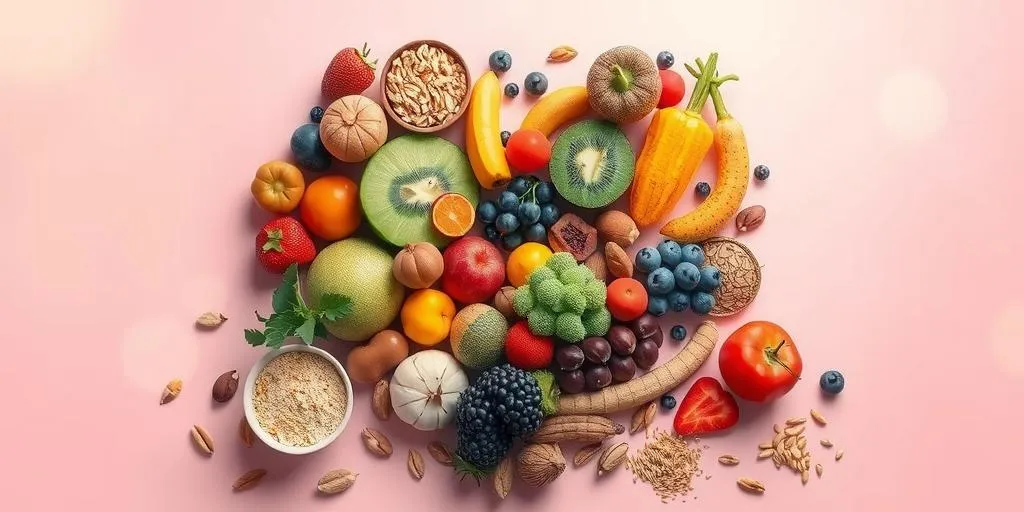
The Role of Sugar and Unhealthy Fats
Sugar and unhealthy fats significantly affect how much we eat and what we eat.
Foods high in added sugars, such as sugary drinks, candies, and desserts, can lead to excessive calorie consumption without providing essential nutrients.
For instance, a single can of soda can contain up to 150 calories, primarily from sugar, which can easily contribute to weight gain if consumed regularly.
Similarly, unhealthy fats, particularly trans fats and saturated fats found in fried foods, baked goods, and processed snacks, can increase the caloric density of meals.
These fats not only add extra calories but may also negatively impact metabolic health by promoting inflammation and increasing the risk of chronic diseases like heart disease and type 2 diabetes.
Moreover, these ingredients can trigger cravings and lead to overeating.
When we consume high-sugar foods, our blood sugar levels spike and then crash, often leaving us feeling hungry again soon after.
This cycle can make it challenging to manage portion sizes and maintain a balanced diet.
On the other hand, focusing on healthier fats, like those found in avocados, nuts, and olive oil, can provide satiety and essential nutrients, helping to curb overconsumption.
Understanding the impact of sugar and unhealthy fats empowers individuals to make informed diet choices.
Limiting these components and opting for whole foods rich in nutrients can improve our overall health while maintaining a healthy weight.
Caloric Density and Satiety Explained
Caloric density refers to the number of calories in a given volume of food. Foods low in caloric density, like fruits and vegetables, provide fewer calories but take up more space in your stomach.
This can help you feel full without consuming too many calories.
For example, a large salad made with leafy greens, tomatoes, and cucumbers can be very satisfying while being low in calories.
In contrast, foods high in caloric density, such as chips or candy bars, pack a lot of calories into a small serving, making it easier to overeat.
Understanding this concept can empower you to make better choices.
Eating low-calorie, high-volume foods can promote satiety and help manage weight effectively.
Moreover, practicing mindful eating, where you pay attention to hunger cues and eating experience, can enhance feelings of fullness and satisfaction.
This approach focuses on what and how much you eat, striking a balance that promotes overall health.

- Great Tasting Red Superfood To Alkalize And Energize – This is, hands down the most Delicious Organic Red Superfood containing over 25+ farm fresh nutrient-rich, wholesome fruits and veggies.
- Nutrient Rich Antioxidants – Organic spirulina, organic spinach, organic beet, organic parsley, organic tomato, organic moringa, organic spirulina and more. For digestive support, immune system support, and energy.
- No Artificial Or Refined Sugars + Low Carb. We don’t use artificial sugars, added sweeteners or refined flours. We Only use the highest quality Real Food ingredients that are Organic, Sprouted, Vegan. Quick Easy Mix – Easily digestible & gut friendly.
- 1-For-1 Donation Match Program – Through our 1-for-1 partnership with the nonprofit Vitamin Angels, every purchase provides a child at risk of malnutrition with vitamins for a full year. To date we have helped over 3 million children through this partnership, so thank you for supporting this mission.
Last update on 2026-10-24 / Affiliate links / Images from Amazon Product Advertising API
Psychological Factors Affecting Eating Behaviors
Psychological factors significantly influence our eating behaviors, often leading to habits that deviate from healthy patterns.
Many people eat emotionally, which is when they consume food in response to emotions rather than hunger.
For instance, someone might eat ice cream when feeling sad or stressed, which can lead to overconsumption and poor food choices, regardless of the nutritional quality of the food.
Additionally, the social context in which we eat can shape our portions; eating with others can encourage larger servings, while solitary meals might lead to more mindful choices.
Mindful eating is a practice that encourages individuals to be aware of their hunger cues and the sensations of eating, promoting a healthier relationship with food.
This involves slowing down, savoring each bite, and recognizing when one is full.
Research suggests that mindful eating can help reduce overeating and improve dietary choices.
Furthermore, portions have steadily increased over the years, often driven by external cues such as larger plates or restaurant serving sizes.
This change has contributed to a higher caloric intake among many people.
Educational initiatives promoting nutritional awareness can empower individuals to make informed choices about how much and what they eat.
Understanding food labels and serving sizes can help consumers navigate their dietary decisions better.
Fostering a healthy relationship with food, where nourishment is prioritized over restriction, is essential for achieving long-term health and well-being.
Mindful Eating and Hunger Awareness
Mindful eating involves being fully present during meals and paying attention to the flavors, textures, and feelings associated with food.
This approach encourages individuals to listen to their body’s hunger cues, helping them distinguish between true hunger and emotional cravings.
For instance, instead of mindlessly snacking while watching TV, a mindful eater might take a moment to assess whether they are genuinely hungry or simply bored.
Research shows that those who engage in mindful eating often have better control over portion sizes and make healthier food choices.
Hunger awareness is equally important. Many people eat out of habit or because food is available, not necessarily because they are hungry.
By tuning into physical hunger signals, such as stomach growling or low energy levels, individuals can better evaluate when to eat and when to stop.
Techniques such as checking in with oneself before reaching for food can foster this awareness.
Maintaining a balanced diet rich in whole foods can enhance the mindful eating experience.
Foods like fresh fruits, vegetables, and whole grains are nourishing and increase satiety, making it easier to listen to your body.
When people know how different foods make them feel, they are more likely to choose foods that support their health and well-being.
The Evolution of Portion Sizes Over Time
Over the past few decades, portion sizes in the United States have significantly increased.
In the 1950s, a typical serving of pasta was about half a cup, whereas today, it is common to see servings three to four times that size.
This shift influences how much we eat and our overall caloric intake.
Research indicates that larger portions increase consumption, even when individuals aren’t starving.
For instance, a study found that people given larger portions of snacks consumed more in total calories than those given smaller servings.
This evolution of portion sizes is also evident in restaurants, where meals often come with oversized servings that can easily exceed daily recommended caloric limits.
Fast food establishments have played a significant role in this trend, as larger drinks and fries have become the norm rather than the exception.
As portion sizes have grown, so has the prevalence of obesity and related health issues, underscoring the direct correlation between how much we eat and our health outcomes.
The rise in portion sizes has also affected cultural practices around dining.
In many cultures, eating together and sharing smaller portions is a common practice that promotes moderation.
However, as portion sizes swell, this practice may be compromised, leading to overconsumption.
Addressing this issue requires a combination of public health initiatives focused on reducing portion sizes in restaurants and greater awareness among consumers about the importance of portion control.
Understanding the historical context of portion sizes can help individuals make more informed choices about their eating habits and encourage a return to more moderate, healthful serving sizes.
The Importance of Nutritional Education
Nutritional education is vital for understanding the balance between how much you eat and what you eat.
It empowers individuals to make informed choices that support their health.
For example, knowing the difference between whole and processed foods can help people choose better options.
When individuals learn about caloric density, they can select foods that fill them up without consuming excess calories, leading to healthier weight management.
Moreover, being educated about food labels enables consumers to understand serving sizes and nutritional content, making it easier to control portion sizes.
This knowledge can also help combat emotional eating by promoting awareness of hunger cues and the impact of food choices on overall health.
Ultimately, nutritional education fosters a healthier relationship with food and encourages sustainable eating practices.
- Understanding macronutrients and micronutrients
- The role of vitamins and minerals in health
- Learning about food groups and their benefits
- Benefits of cooking at home versus eating out
- How nutritional knowledge affects food choices
- Importance of reading food labels
- Recognizing hidden sugars and unhealthy ingredients
Meal Planning for Healthier Choices
Meal planning can be a game-changer in making healthier food choices.
By organizing your meals in advance, you can better control portions and ensure a balanced intake of nutrients.
For example, setting aside time each week to plan meals can help you choose recipes rich in whole foods like fruits, vegetables, and lean proteins, while avoiding processed foods often high in sugar and unhealthy fats.
Additionally, preparing meals at home allows you to experiment with different ingredients and cooking methods, further enhancing your dietary quality.
When you know what you’ll eat throughout the week, it becomes easier to resist the temptation of fast food or convenience snacks.
Consider creating a shopping list based on your meal plan to avoid impulse buys that can derail your healthy eating goals.
Remember, portion sizes matter too. Using smaller plates can help you serve appropriate portions, making it easier to avoid overeating.
Engaging in family meal prep can also foster healthier habits, as sharing meals with others often leads to more mindful eating.
Lastly, establish regular meal times, which can help regulate your appetite and metabolism, leading to better overall health.
Eating with Others Promotes Healthier Habits
Eating with others can profoundly impact our dietary choices and overall health. Research shows that shared meals with family or friends often lead to healthier eating habits.
Individuals are more likely to choose nutritious options and practice portion control when dining in a group.
For instance, a family dinner where everyone contributes healthy dishes can naturally encourage healthier selections.
Additionally, the social aspect of eating together often promotes slower eating and mindfulness, allowing participants to better tune into their hunger cues.
In contrast, eating alone may lead to mindless snacking or consuming less nutritious convenience foods.
Engaging in communal meals fosters a sense of connection and improves our relationship with food, steering us toward balanced choices.
- Great Tasting Red Superfood To Alkalize And Energize – This is, hands down the most Delicious Organic Red Superfood containing over 25+ farm fresh nutrient-rich, wholesome fruits and veggies.
- Nutrient Rich Antioxidants – Organic spirulina, organic spinach, organic beet, organic parsley, organic tomato, organic moringa, organic spirulina and more. For digestive support, immune system support, and energy.
- No Artificial Or Refined Sugars + Low Carb. We don’t use artificial sugars, added sweeteners or refined flours. We Only use the highest quality Real Food ingredients that are Organic, Sprouted, Vegan. Quick Easy Mix – Easily digestible & gut friendly.
- 1-For-1 Donation Match Program – Through our 1-for-1 partnership with the nonprofit Vitamin Angels, every purchase provides a child at risk of malnutrition with vitamins for a full year. To date we have helped over 3 million children through this partnership, so thank you for supporting this mission.
Last update on 2026-10-24 / Affiliate links / Images from Amazon Product Advertising API
Meal Timing and Its Effects on Metabolism
Meal timing is an essential aspect of nutrition that can influence metabolism and overall health.
Eating at regular intervals helps regulate appetite and maintain energy levels throughout the day.
For instance, having breakfast can kickstart your metabolism, making you more alert and energized.
Studies indicate that people who eat breakfast tend to consume fewer calories throughout the day than those who skip it, potentially aiding in weight management.
Furthermore, the timing of meals about physical activity can impact performance and recovery.
For example, consuming carbohydrates and proteins shortly after a workout can help repair muscles and replenish energy stores, enhancing recovery.
Additionally, research suggests that eating later in the evening may disrupt circadian rhythms and lead to weight gain, as the body may not effectively process food during rest periods.
Conversely, intermittent fasting, which restricts eating to certain hours, has gained popularity for its potential metabolic benefits.
Some studies show that it can improve insulin sensitivity and promote fat loss.
However, success with meal timing strategies can vary significantly among individuals, influenced by personal preferences, daily routines, and lifestyle factors.
Decoding Food Labels and Serving Sizes
Understanding food labels and serving sizes is essential for making informed dietary choices.
Food labels typically provide information on serving size, total calories, and nutrient content, including fats, sugars, and proteins.
For example, a cereal box may list a serving size as 3/4 cup, containing 200 calories. If you pour a full cup, you inadvertently consume more calories than you might realize.
Additionally, many packaged foods contain multiple servings.
A bag of chips might have a serving size of 10 chips, but if you eat the entire bag, you could be consuming several hundred calories.
Learning to read these labels helps you become more aware of how much you’re eating compared to the recommended portion.
When assessing serving sizes, it’s also important to recognize that they can vary significantly from brand to brand.
This discrepancy can lead to confusion and unintentional overconsumption.
Familiarizing yourself with standard serving sizes can aid in better portion control.
Moreover, visual cues can be helpful.
For instance, a serving of meat should be about the size of a deck of cards, while a serving of pasta is roughly the size of a tennis ball.
These comparisons can help you gauge portion sizes without relying on measuring tools.
By decoding food labels and understanding serving sizes, you can better manage your caloric intake and improve your overall dietary quality.
Public Health Initiatives to Reduce Portions
Public health initiatives aimed at reducing portion sizes have gained traction in recent years as a strategy to combat obesity and promote healthier eating habits.
One practical approach has been implementing guidelines for portion sizes in schools and restaurants.
For example, some schools have adopted programs that serve smaller portions of meals while emphasizing the importance of fruits and vegetables.
This not only helps to reduce overall caloric intake but also encourages children to make healthier food choices.
In addition, campaigns that promote awareness about portion sizes have emerged, using visual aids to help consumers understand appropriate serving sizes.
Initiatives that use plates or bowls as visual guides can make it easier for individuals to gauge their servings at home.
These practical tools aim to change perceptions about what a typical meal should look like, ultimately guiding people toward consuming less.
Moreover, some cities have mandated that restaurants provide nutritional information on menus, including calorie counts and suggested portion sizes.
This transparency allows diners to make informed decisions about their meals, potentially leading to healthier choices.
Public health officials can collaborate with food establishments to encourage the adoption of smaller portions, making it easier for individuals to manage their caloric intake without feeling deprived.
Research shows that even small changes in portion sizes can significantly reduce overall calorie consumption.
For example, reducing the size of a typical soda from 20 ounces to 12 ounces can cut calorie intake by nearly 100 calories per drink.
These initiatives aim to foster healthier eating habits and create a culture where mindful eating is the norm.
Influences on Food Choices and Portions
Food choices and portion sizes are influenced by various factors beyond just hunger.
Personal preferences, such as taste and texture, play a significant role; for instance, someone who enjoys sweet snacks may gravitate towards desserts, leading to larger portions.
Cultural practices also shape what people eat and how much; traditional meals often come with generous servings, making it easy to consume excess calories without realizing it.
Environmental factors, like the availability of certain foods, can impact decisions.
In areas with limited access to fresh produce, individuals may rely more on processed foods, which often contain higher levels of sugar and unhealthy fats. Additionally, social settings can influence eating behaviors.
Eating with friends or family can lead to larger portions, as people may feel encouraged to indulge or try different dishes.
Psychological aspects, such as emotional eating, can also lead to overconsumption.
Stress, sadness, or even happiness can drive people to eat more than they need.
Recognizing these triggers is essential for making healthier choices.
Moreover, the rise of food marketing and advertising can shape perceptions about portions and food quality, often glamorizing larger servings and enticing consumers to eat more.
Ultimately, understanding these influences can empower individuals to make better choices about what and how much they eat, leading to improved health outcomes.

- Organic Myco Guardians 10-in-1 mushroom complex, 1,000mg dose per serving, raw mushroom superfood powder without any fillers, provides a robust 10oz supply.
- 283 easily mixable powder servings in every package, offering over a 9-month supply, specially crafted with an active Myco Guardians formula.
- This Myco Guardians formula delivers a synergistic blend of active adaptogens, nootropics, and beta-glucans from 10 mushrooms: Lion’s Mane, Chaga, Reishi, Turkey Tail, Cordyceps, Wood Ear, Oyster, Shiitake, Maitake, and Mesima.
- Elevate your daily routine effortlessly and simply mix this powder into your morning coffee, smoothie, or tea.
- Authentic non-GMO mushroom complex supplements. Contains pure ingredients free of soy, dairy, gluten, preservatives, wheat, fillers, and tree nuts. All products are also 3rd party lab tested for safety and potency.
Last update on 2026-10-23 / Affiliate links / Images from Amazon Product Advertising API
Nutrient Timing Around Workouts
Nutrient timing refers to the strategic consumption of foods and nutrients before and after physical activities, particularly workouts.
Eating the right foods at the correct times can enhance performance, recovery, and overall results. For instance, consuming carbohydrates before a workout provides the energy needed for optimal performance.
Research suggests that a meal rich in carbs and moderate protein, about 1-2 hours before exercising, can improve endurance and strength.
After a workout, the body is primed for recovery, making this an ideal time to replenish energy stores and repair muscle tissues.
A combination of protein and carbohydrates within 30 to 60 minutes post-exercise can aid in muscle recovery and growth.
For example, a smoothie made with bananas and protein powder is a quick and effective post-workout snack.
Additionally, timing meals around workouts can help regulate hunger levels throughout the day.
Regular meal times can prevent overeating later, as they help to stabilize blood sugar levels.
By considering when to eat and exercise, individuals can optimize their nutrition for better health outcomes.
Sustainable Eating Practices for Health
Sustainable eating is not just about choosing organic or locally sourced foods; it’s also about making choices that benefit your health and the planet.
Focusing on nutrient-dense foods like fruits, vegetables, whole grains, and lean proteins can improve health outcomes.
For example, incorporating seasonal vegetables into your meals supports local farmers and ensures you’re eating fresh and nutrient-rich produce.
Additionally, reducing your consumption of processed foods, which are often high in sugar and unhealthy fats, can help prevent weight gain and improve overall health.
Meal planning is a key strategy here; it allows you to choose healthy and environmentally friendly ingredients.
Mindful eating practices can also foster a more sustainable relationship with food.
Awareness of hunger cues and conscious decisions about eating can lead to healthier choices and less waste.
For instance, when you take the time to savor your meals, you’re less likely to overeat and more likely to appreciate the ingredients you’ve chosen.
Furthermore, understanding the environmental impact of your food choices can guide you toward more sustainable practices.
For instance, opting for plant-based meals a few times a week can significantly reduce your carbon footprint. Balancing how much and what you eat is essential for personal and planetary health.
Balancing How Much and What You Eat
Finding the right balance between how much you eat and what you eat is essential for maintaining good health.
It’s not just about counting calories; it’s also about understanding the quality of your food.
For instance, a large salad with various vegetables may be low in calories yet high in nutrients, helping you feel full and satisfied.
In contrast, a few sugary snacks can pack in many more calories without providing substantial nutrition, leading to weight gain and health issues over time.
Portion control plays a significant role in managing your weight.
Research indicates that individuals who control their portion sizes often achieve better weight management outcomes.
This can be as simple as using smaller plates or measuring serving sizes to prevent overeating.
Moreover, the types of foods you choose are equally important.
A diet rich in whole foods, like fruits, vegetables, whole grains, and lean proteins, supports overall health and can lower the risk of chronic diseases.
Additionally, consider the concept of caloric density.
Foods that are low in calories but high in volume, such as vegetables, can help you feel full longer, reducing the likelihood of overeating.
Conversely, high-calorie foods, especially those loaded with sugar and unhealthy fats, can lead to excessive calorie intake.
Mindful eating practices encourage listening to your body’s hunger cues, promoting a healthier relationship with food.
By being aware of what you eat and how much you eat, you can take significant steps towards achieving a balanced and nutritious diet.

- DAILY MULTIVITAMIN SUPPORT – LifeTime Multiple Vitamin & Mineral Powder is a convenient once-daily multi vitamin powder designed for all in one nutrition support for women and men
- EASY-TO-MIX POWDERED VITAMINS – This all-in-one drink mix blends effortlessly with water or juice, making it simple to add essential nutrients to your routine
- AMINO ACIDS FROM NEW ZEALAND DAIRY – Features naturally occurring amino acids sourced from premium milk protein from New Zealand cows to support your daily wellness goals
- NUTRITIONAL SUPPLEMENT WITH PROTEIN – Each serving delivers 8g of protein in a high-quality supplement that supports your active lifestyle and daily nutrition
- HIGH FIBER PROTEIN POWDER FORMULA FOR DIGESTION – This high fiber powdered multivitamin is easy to digest and formulated to support nutrient absorption and digestive health
Last update on 2026-10-24 / Affiliate links / Images from Amazon Product Advertising API
The Role of Physical Activity in Weight Management
Physical activity is a key player in weight management and overall health.
While how much and what you eat are essential, regular exercise complements these dietary choices.
Engaging in activities such as walking, cycling, or swimming helps burn calories, which can create a caloric deficit necessary for weight loss.
For instance, a brisk 30-minute walk can burn about 150 to 200 calories, depending on weight and intensity.
Additionally, physical activity supports muscle maintenance and growth, which can increase your resting metabolic rate, allowing you to burn more calories even at rest.
Exercise also has psychological benefits. It can reduce stress, anxiety, and depression, which are often linked to unhealthy eating habits.
By incorporating physical activity into your routine, you improve your physical health and foster a more positive mindset towards food and eating behaviors.
Balancing nutrition with physical activity creates a sustainable approach to maintaining a healthy weight.
Cooking as a Way to Improve Dietary Quality
Cooking at home can significantly enhance the quality of your diet.
When you prepare your meals, you have complete control over your ingredients, allowing you to choose healthier options.
For instance, making a stir-fry with fresh vegetables and lean proteins is a healthier choice than ordering takeout, which may be high in unhealthy fats and sugars.
Additionally, cooking can expand your knowledge about food, helping you understand how different ingredients affect your health.
Experimenting with whole foods like quinoa, legumes, and seasonal fruits can introduce new flavors and nutrients into your diet.
Meal preparation also aids in portion control.
By cooking in bulk and dividing meals into appropriate servings, you can avoid overeating and make healthier choices accessible during busy days.
For example, preparing a large vegetable soup can provide nutritious meals throughout the week, reducing the temptation to grab fast food.
Moreover, cooking can become a social activity. Inviting friends or family to cook can foster healthier eating habits and create a supportive environment for better food choices.
This communal aspect can reduce emotional eating, as sharing meals often leads to mindful consumption.
Ultimately, cooking improves dietary quality and cultivates a positive relationship with food, emphasizing nourishment and enjoyment over restriction.
Community Support for Better Eating Choices
Community support plays a vital role in promoting better eating choices.
When surrounded by people who prioritize healthy eating, people are more likely to adopt similar habits.
For example, community programs that encourage group cooking classes teach nutritional skills and foster connections among participants, making healthy eating a shared goal.
Additionally, local farmers’ markets can create a sense of community while providing access to fresh produce, encouraging individuals to choose whole foods over processed options.
Support groups focused on nutrition can help people stay accountable and motivated. They can also share tips and successes that inspire others.
This sense of belonging can also combat emotional eating by providing positive distractions and healthier coping mechanisms.
When communities unite to promote healthy eating, they create an environment where better food choices become the norm.
Fostering a Healthy Relationship with Food
Fostering a healthy relationship with food is essential for long-term well-being. This relationship should center on nourishment rather than restriction.
For instance, when we view food as fuel for our bodies, we are more likely to make choices that support our health. Mindful eating helps us recognize our hunger cues and encourages us to savor our meals.
This awareness can reduce emotional eating, a common challenge where individuals eat not out of hunger but to cope with feelings.
It’s also important to consider the role of social interactions in eating habits. Sharing meals with family or friends can create a supportive environment that promotes healthier choices.
For example, a family dinner can become a chance to enjoy vegetables together, making them more appealing to children.
Additionally, cooking at home allows individuals to control their ingredients and portions, leading to more nutritious meals.
Community support plays a vital role as well.
Programs that promote cooking classes or nutritional workshops can empower individuals with the knowledge they need to make informed decisions about food.
Ultimately, balancing how much and what you eat while being aware of your emotional connections to food lays the groundwork for a healthier lifestyle.
Considering Both Qualitative and Quantitative Diet Aspects
When it comes to nutrition, understanding both how much and what you eat is vital for overall health.
Caloric intake plays a significant role in body weight management, while the quality of those calories affects metabolic health and the risk of chronic diseases.
For instance, a diet rich in whole foods like fruits, vegetables, and lean proteins provides essential nutrients and can help maintain a healthy weight.
In contrast, foods high in sugar and unhealthy fats can lead to excessive calorie consumption and weight gain.
Caloric density is another essential factor to consider.
Foods that are low in calories but high in volume, such as salads or soups, can help you feel full while consuming fewer calories.
This aspect is beneficial for those trying to manage their weight. Mindful eating practices can further enhance awareness of hunger cues, encouraging healthier food choices.
This means paying attention to what you eat and how much, rather than simply consuming food out of habit or emotion.
Additionally, portion sizes have increased significantly, contributing to higher caloric intake.
Understanding food labels can help you recognize appropriate serving sizes and make better choices.
Nutritional education empowers individuals to control their portions and opt for healthier ingredients.
By planning meals ahead of time, you can create a balanced diet that meets your needs while keeping an eye on both quantity and quality.
Ultimately, a holistic approach that considers both qualitative and quantitative aspects of diet will lead to more sustainable and healthier eating habits.
Education Campaigns for Healthier Eating Norms
Education campaigns play a vital role in promoting healthier eating norms within communities.
These initiatives can help individuals understand the importance of how much and what they eat.
For instance, campaigns that provide information on portion sizes can empower people to recognize when they consume too many calories.
Similarly, educational programs highlighting the benefits of whole foods, like fruits and vegetables, can shift perceptions about food quality.
One effective approach is to disseminate information using social media and community workshops.
These platforms can engage individuals in discussions about nutrition and encourage them to share their experiences.
For example, a local initiative might host a cooking class that teaches families how to prepare healthy meals on a budget while also emphasizing portion control.
Furthermore, schools are a critical venue for these educational efforts.
Programs that teach children about healthy eating habits can have lasting effects on their choices as adults.
Incorporating nutrition education into the school curriculum can help shape a generation that values balanced diets and mindful eating practices.
Lastly, addressing cultural preferences within these campaigns can make them more relatable and compelling.
Tailoring messages to reflect specific communities’ dietary habits and values ensures that the information resonates with the target audience, ultimately leading to better nutritional choices.
Personalized Dietary Guidance from Professionals
Personalized dietary guidance from professionals can make a significant difference in achieving a balanced diet.
Nutritionists and dietitians assess individual needs, preferences, and health goals to create tailored eating plans.
For example, someone looking to lose weight may benefit from a plan emphasizing portion control and nutrient-dense foods.
At the same time, an athlete might require guidance on nutrient timing to optimize performance and recovery.
These professionals can also help identify emotional eating triggers and suggest strategies to cope with them, fostering a healthier relationship with food.
Furthermore, they educate clients on food labels and serving sizes, enabling better choices in everyday meals.
By providing evidence-based advice, they empower individuals to manage their health in a manageable and sustainable way.

- Does Your Vitamin Build Muscle And Burn Fat? Workout & Build 30% More Muscle and Burn 30% More Fat. Raw Vitamins Are Essential To Activate Your Metabolism Without That Jittery Feeling. Sport Formula Is High Potency, Pure, Fresh, Raw, Cold Processed, Clean, Vegetarian, Nutrients That Your Body Needs To Process Proteins Into Muscle, Carbs And Stored Body Fat Into Energy Without Upsetting Your Stomach. Try the Number One Vitamin Powder and Feel the Difference.
- Want To Increase Your Stamina Safely? Get More Stamina And Faster Recovery From Gym Workouts And Reduce Sore Muscles By Increasing Your Body’s Blood Circulation to Your Extremities by 30% With 2000 mg of BCAA Per Serving of Powerful Amino Acids Like Arginine, L Glutamin, L Carnitine and Vitamins Like B 3 Niacin, Methylcobalamin B 12, All in One to Name Just A Few…
- Get Mental Focus, Clarity And Stress Relief You Need With L Tyrosine And Over 200 Trace Minerals For Enhanced Brain Function. Get Our Exclusive Vitamin B 3 Niacin / Niacinimide Blend For Blood Circulation and Oxygen Delivery That Support Extreme Cardio Vascular Lifestyles and Free Radical Scavenging And For That Coveted Anti Aging Effect You Want Fast.
- Did You Know? The Lack Of Tyrosine Can Make Your Hair Gray?Want Nicer Skin Hair And Nails? University Studies Show Citrus Bioflavonoids, Cysteine, Lysine And Methionine All Strengthen The Cell Wall Making Skin More Elastic, Hair Stronger and Nails Thicker.
- Powder Dissolves Under Tongue, In Smoothies or Liquid And Absorbs 100%. Research Shows That A Typical Compressed Tablet Only Dissolve about 12% – That Is An 88% Waste Of Your Money On Pills That You Flush Down The Toilet. Sport Formula Powder Melts in Your Mouth and Absorbs Fully And The Natural Fusion of Flavors Taste Great. Add To Water For The Freshest Liquid Vitamin On The Planet With No Preservatives.
Last update on 2026-10-24 / Affiliate links / Images from Amazon Product Advertising API
Frequently Asked Questions
1. How do the amounts of food I eat affect my health?
Eating too much or too little of the right foods can affect your energy levels, weight, and overall health. It’s essential to find a balance.
2. What types of food should I focus on to feel better?
Focus on whole foods like fruits, vegetables, lean proteins, and whole grains. These foods are packed with nutrients that help you feel good.
3. Can I eat my favorite foods and still stay healthy?
Yes! Enjoying your favorite foods in moderation is key. Most of the time, just balance them with healthier choices.
4. Is eating larger meals or smaller, more frequent meals better?
It depends on your personal preference. Some people feel better with smaller meals spread throughout the day, while others do fine with larger meals.
5. How can I tell if I’m eating the right amounts of food?
Pay attention to your hunger and fullness cues. Eating mindfully and listening to your body can help you determine the right amount.
This blog post discusses the critical balance between how much and what you eat, emphasizing that both caloric intake and nutrient quality are key to maintaining optimal health. It explores the impact of portion control, the benefits of whole foods, the dangers of sugar and unhealthy fats, and the importance of mindful eating.
Additionally, it covers factors influencing eating behaviors, community support, and the role of education in making healthier choices. Ultimately, achieving a healthy diet and weight requires a sustainable approach that considers both quantity and quality and integrates regular physical activity.