
Turning Vegetarian Made Easy: Top Tips for New Vegetarians
Starting a vegetarian lifestyle can feel tricky at first, but it doesn’t have to be complicated. A well-planned vegetarian diet can provide all the nutrients your body needs, so focus on variety and balance.
Aim to include plenty of fruits and veggies daily, aim for at least 5 portions, and base meals around wholegrain starches like rice or whole-wheat pasta.
Don’t forget protein sources like beans, tofu, eggs, or nuts and seeds to keep you full and healthy.
Pay special attention to iron and vitamin B12 by including fortified foods or dairy if you consume them.
Gradually cut out meat by having a few meatless days each week while trying familiar dishes you enjoy.
Using apps like HappyCow can help find veggie-friendly spots when eating out, making the transition easier and more enjoyable overall.

Last update on 2026-10-13 / Affiliate links / Images from Amazon Product Advertising API
Understand Nutritional Needs for a Healthy Vegetarian Diet
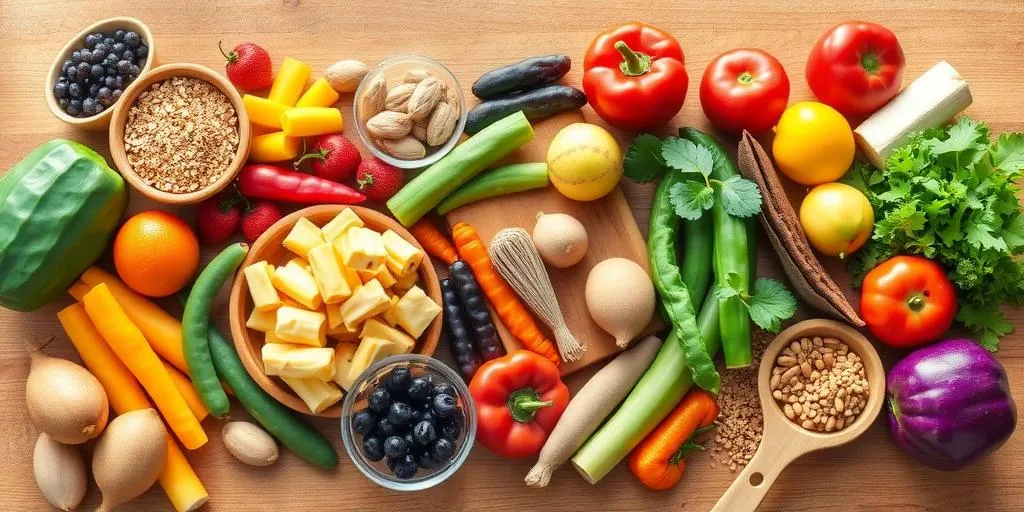
Switching to a vegetarian diet can fully support your nutritional needs with some thoughtful planning and variety.
It’s important to focus on getting enough protein, iron, calcium, vitamin B12, and omega-3 fatty acids from plant-based sources and fortified foods.
For example, combining beans or lentils with whole grains not only boosts protein intake but also helps cover essential amino acids.
Since vitamin B12 is naturally found only in animal products, including fortified cereals and plant milks, taking supplements can help prevent gaps in intake. Iron from plants isn’t absorbed as easily, so pairing iron-rich foods like spinach or dried apricots with vitamin C sources such as bell peppers or oranges enhances absorption.
Don’t forget to include a colorful mix of vegetables and legumes to get a broad range of vitamins, minerals, and fiber. Keeping track of your nutrient intake, especially when you’re starting out, helps ensure your meals stay balanced.
Planning ahead can stop you from reaching for quick options that might miss key nutrients.
Also, consider your lifestyle, age, and any health conditions, and adjust your diet as needed to keep everything on track and support your well-being.
| Nutrient | Recommended Sources | Notes |
|---|---|---|
| Protein | Beans, lentils, tofu, tempeh, nuts, seeds, eggs, dairy | Mix different plant proteins to get all essential amino acids |
| Iron | Lentils, chickpeas, beans, tofu, dried fruits (apricots, raisins), dark leafy greens, fortified cereals | Pair with vitamin C rich foods for better absorption |
| Calcium | Dairy products, fortified plant milks, leafy greens (kale, broccoli), calcium-set tofu | Limit caffeine and salt to enhance absorption |
| Vitamin B12 | Dairy, eggs, fortified cereals, nutritional yeast, fortified plant milks | Consider supplements if fully plant-based |
| Omega-3 Fatty Acids | Flaxseed oil, chia seeds, walnuts, hemp seeds, rapeseed oil, algae supplements | Balance omega-6 intake; grind flaxseeds fresh for better absorption |
Follow the Eatwell Guide for Balanced Meals
Using the Eatwell Guide as a visual tool makes it easier to create balanced vegetarian meals that cover all your nutritional needs.
Aim to fill your plate with a good mix of food groups: base meals on starchy carbs like whole-grain bread, brown rice, or pasta to give you energy and fiber.
Make sure to include at least five portions of fruits and vegetables daily, mixing colors and types to keep things interesting and nutrient-rich.
Protein is key, too, so add beans, pulses, tofu, nuts, or seeds to your dishes. Don’t forget dairy or fortified alternatives like plant-based milk or yogurt to get enough calcium.
Try to limit foods high in saturated fat, salt, and added sugars, and keep hydrated by drinking plenty of water throughout the day.
By following these simple guidelines from the Eatwell Guide, you’ll build satisfying, nutritious meals that support a healthy vegetarian lifestyle without feeling overwhelming.
- Aim for at least five portions of fruits and vegetables daily, mixing colors and types for variety.
- Base your meals on starchy carbohydrates like potatoes, wholegrain bread, rice, pasta, and cereals.
- Include protein sources such as beans, pulses, eggs, tofu, nuts, and seeds in your meals.
- Include dairy or fortified alternatives to ensure adequate calcium intake.
- Limit foods high in saturated fat, salt, and added sugars.
- Drink plenty of water throughout the day to stay hydrated.
- Use the Eatwell Guide as a visual tool to balance your plate with the right proportions.
- Make fruits and vegetables a part of every meal, including snacks and desserts.
- Choose wholegrain starchy foods more often for higher fiber and nutrients.
- Avoid skipping food groups; aim for a diverse plate that covers all nutritional bases.
Choose Wholegrain Starchy Carbohydrates
Switching to wholegrain starchy carbs is a smart and tasty way to support your new vegetarian lifestyle. Instead of white bread, regular pasta, or brown rice, try wholegrain versions like whole-wheat bread, whole-wheat pasta, oats, and brown rice.
These options pack more fiber, vitamins, and minerals, which help digestion and keep you feeling full longer. For example, swapping out white bread for wholegrain can also help stabilize your blood sugar levels throughout the day.
Don’t forget to include starchy vegetables like sweet potatoes and corn; they add variety and nutrition to your meals.
If switching completely feels daunting, try mixing white and wholegrain rice when cooking to ease into the change. Starting your day with wholegrain cereals can give you steady energy that lasts until lunch.
Wholegrain choices also support heart health by helping to reduce cholesterol.
To keep your meals wholesome, avoid processed starchy foods that are high in sugar and low in nutrients.
For some fun in the kitchen, experiment with less common grains like quinoa, barley, or bulgur; they’re nutritious and add interesting flavors and textures to your dishes.
Last update on 2026-10-13 / Affiliate links / Images from Amazon Product Advertising API
Include Dairy or Fortified Alternatives for Calcium

Calcium is key for strong bones and muscle function, so it’s important to include good sources in your vegetarian diet. Dairy products like milk, cheese, and yogurt are natural calcium powerhouses and easy to add to meals.
If you prefer to avoid dairy, look for fortified plant-based milks such as almond, soy, or oat milk; just check the labels to make sure calcium has been added.
You can also include calcium-set tofu or other calcium-fortified soy products to boost your intake. Don’t forget leafy greens like kale, broccoli, and bok choy, which also provide calcium.
Snacking on almonds, sesame seeds, or dried figs adds even more calcium in tasty bites.
To get the most from your calcium-rich foods, try spreading them throughout the day and limit excess caffeine and salty foods, as these can reduce how well your body absorbs calcium.
Using dairy or fortified alternatives in cooking and baking is a simple way to sneak in extra calcium without much effort.
Add Plant-Based Proteins to Your Diet
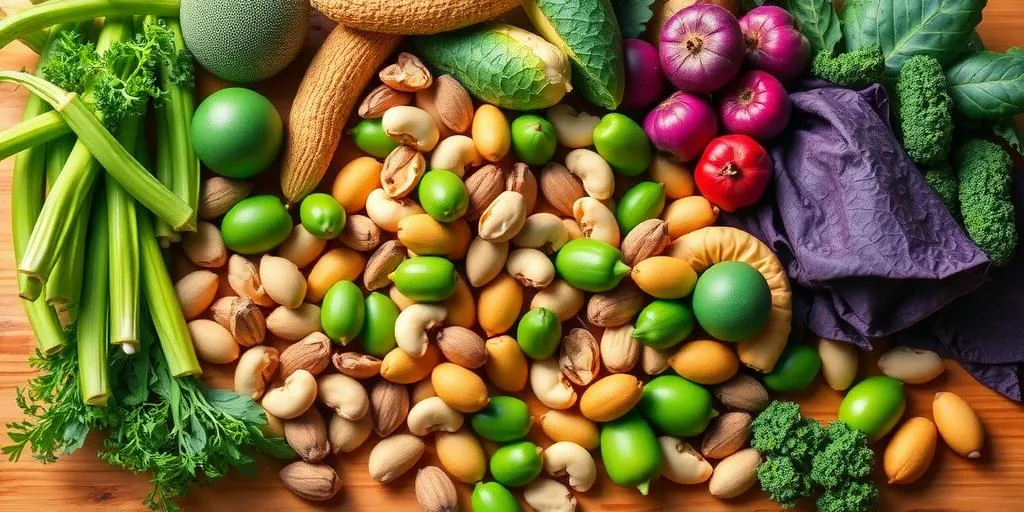
Including a variety of plant-based proteins is key when turning vegetarian. Beans, lentils, chickpeas, and peas provide good protein and fiber, which help keep you full and support digestion.
Tofu and tempeh are great soy-based options that fit into many dishes, and freezing tofu before cooking can improve its texture and its ability to absorb flavor.
For a meat-like texture, try mycoprotein products like Quorn or use textured vegetable protein (TVP) and soy curls as substitutes in your favorite recipes.
Don’t forget protein-rich grains like quinoa and amaranth, which add essential amino acids to your meals. If you include eggs and dairy, they provide complete proteins and can be a convenient way to boost your intake. Snacking on nuts and seeds is another simple way to add extra protein along with healthy fats.
Combining different plant proteins, like rice and beans, helps you get all the essential amino acids your body needs without relying on meat.
Fortified cereals also offer a handy protein boost, making it easier to meet your nutritional goals while enjoying a variety of flavors and textures.
Get Enough Iron with Plant Foods and Vitamin C
Iron is a key nutrient to watch when switching to a vegetarian diet, but you can easily meet your needs by including a variety of plant-based iron sources. Lentils, chickpeas, beans, tofu, and fortified cereals are excellent staples to add to your meals.
Don’t forget dried fruits like apricots, raisins, and prunes; they’re tasty and pack an iron punch. Dark green leafy vegetables such as spinach, kale, and watercress also contribute good amounts of iron.
Using wholemeal bread and brown rice instead of refined grains also helps boost your iron intake.
A simple hack is to cook your food in cast-iron pans, which can add small amounts of iron to your dishes.
To make the most of the iron in plant foods, pair them with vitamin C-rich foods like citrus fruits, peppers, and tomatoes during meals. Vitamin C significantly improves iron absorption, so try having a glass of orange juice or adding bell peppers to your salad.
On the flip side, avoid drinking tea or coffee with meals because they contain compounds that block iron absorption. If you find it difficult to get enough iron from food alone, consider iron-fortified cereals or plant-based products.
It’s especially important for women of childbearing age, children, and pregnant women to regularly monitor their iron status to prevent deficiencies.
With a bit of planning and smart food combinations, getting enough iron on a vegetarian diet is totally doable and delicious.
Ensure Adequate Vitamin B12 Intake
Vitamin B12 is a key nutrient that supports nerve function and helps produce red blood cells, but it’s mostly found in animal products.
As a new vegetarian, it’s important to plan your meals carefully to get enough B12. If you eat dairy and eggs, include them regularly since cooked eggs and dairy are reliable natural sources.
For those who avoid all animal products, fortified foods like nutritional yeast, Marmite, fortified cereals, and plant milks are great options.
Always check the labels to make sure these foods contain added B12. Because plant foods don’t naturally have active B12, relying on unfortified plant foods won’t meet your needs.
You might also want to consider a B12 supplement, especially if you’re vegan. To keep track of your levels, try to get blood tests when possible.
Also, store and prepare your foods properly, as B12 can be lost with improper cooking or storage.
Paying attention to these details will help you maintain good B12 status while enjoying your new vegetarian lifestyle.
Include Vegetarian Sources of Omega-3 Fatty Acids
Omega-3 fatty acids are essential for heart, brain, and eye health, so it’s important to include good vegetarian sources in your diet. Flaxseed oil, chia seeds, and walnuts are great plant-based options rich in ALA, an omega-3 fatty acid.
For the best absorption, grind flaxseeds fresh before adding them to smoothies or oatmeal.
Hemp seeds and pumpkin seeds also make easy additions to salads, cereals, or smoothies, offering a nice omega-3 boost.
When cooking, choose rapeseed (canola) oil, which contains omega-3 fatty acids and works well in most recipes. If you eat eggs, look for omega-3-enriched varieties to increase your intake.
For the direct EPA and DHA forms your body uses most easily, algae-based omega-3 supplements are a smart choice for vegetarians.
It’s also helpful to balance your omega-6 intake by cutting back on processed foods and oils high in omega-6, like corn or sunflower oil, since too much omega-6 can interfere with omega-3 benefits.
To keep meals interesting and nutritious, try rotating these sources regularly, for example, sprinkle walnuts on your salad one day and add chia seeds to your smoothie the next.
This variety not only supports your health but also keeps your vegetarian meals flavorful and satisfying.

- Hardcover Book

Last update on 2026-10-13 / Affiliate links / Images from Amazon Product Advertising API
Adjust Nutrients During Pregnancy and Breastfeeding
Pregnancy and breastfeeding bring extra nutrient needs, so it’s important to adjust your vegetarian diet accordingly. Increasing folate is key for fetal development, and you can find it in leafy greens, fortified cereals, or supplements recommended by your healthcare provider.
Iron is another big one since your blood volume grows and your baby needs it for healthy growth.
Focus on beans, lentils, dried fruits, and dark green veggies, and pair them with vitamin C-rich foods to boost absorption. Calcium supports bone development, so include dairy or fortified plant-based alternatives, such as almond or soy milk.
Vitamin B12 is crucial for your baby’s nervous system; since it’s mostly found in animal products, rely on fortified foods or supplements to meet your needs.
Protein helps with tissue growth, so load up on beans, lentils, eggs, and dairy. Don’t forget to stay hydrated and eat a colorful mix of fruits and vegetables to cover other vitamins and minerals.
Safety matters, too, so avoid unpasteurized dairy, raw eggs, and certain fish that can be risky during pregnancy.
Keep in close touch with your healthcare provider to get prenatal vitamins tailored for vegetarians, and monitor your weight gain and energy levels as your pregnancy advances.
After your baby arrives, continue focusing on nutrient-rich meals to support breastfeeding and help your body recover.
Make a Gradual Transition to Vegetarianism
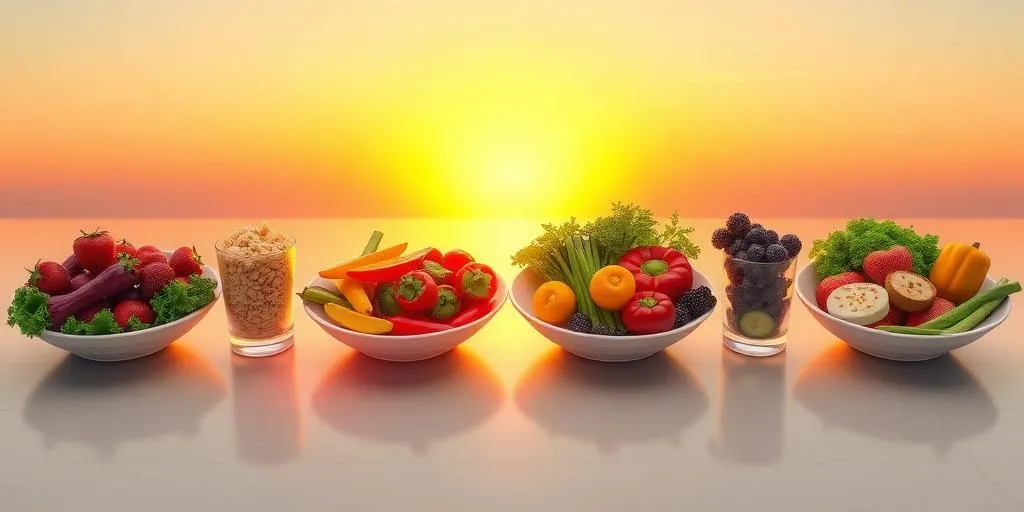
Switching to a vegetarian lifestyle doesn’t have to happen overnight. A great way to start is by cutting out one type of meat at a time, maybe begin with red meat, then move on to poultry, and finally fish if you choose.
This step-by-step approach helps avoid feeling overwhelmed or deprived.
You can also introduce meatless days once or twice a week, gradually increasing as you get more comfortable with plant-based meals.
To ease into the change, stick with vegetarian dishes you already enjoy, like pasta with tomato sauce or bean burritos, so the transition feels natural rather than forced.
Experimenting with meat substitutes like textured vegetable protein or soy curls can help mimic meat’s texture, making meals more satisfying.
Keeping frozen tofu on hand is also handy, since freezing it changes its texture and helps it absorb flavors more readily, adding variety to your dishes.
When adding beans and lentils, do so gradually to prevent any digestive discomfort. To keep your meals tasty and avoid blandness, use umami-rich ingredients like mushrooms, soy sauce, nutritional yeast, or aged cheeses.
Avoid the temptation to rely on processed junk food substitutes; instead, focus on whole grains, legumes, nuts, seeds, and fresh produce for steady energy and nutrition.
Planning ahead for social meals is important too, researching menus and local vegetarian-friendly spots using apps like HappyCow so you’re never caught off guard.
Also, learn to spot hidden non-vegetarian ingredients in processed foods, such as gelatin or certain sauces, to stay on track without stress.
Start with Meatless Days to Build Comfort
Starting your vegetarian journey with one or two meatless days a week is a great way to ease into new eating habits without feeling overwhelmed.
Use these meatless days as a chance to experiment with familiar meals by swapping meat for plant-based proteins like beans, tofu, or lentils.
For example, try a simple pasta with tomato sauce one day, then a veggie stir-fry another. Planning your meals ahead of time helps avoid last-minute decisions and ensures your plate stays balanced with starchy carbs, vegetables, and protein-rich plant foods.
Adding vitamin C-rich foods like bell peppers or citrus fruits alongside iron-rich plant foods can boost iron absorption, helping keep your energy steady.
As you grow more comfortable, gradually increase the number of meatless days. Keep meals simple at first to build confidence, and don’t hesitate to test new ingredients such as chickpeas or tempeh.
Tracking how you feel on these days can reveal helpful insights about your energy and nutritional needs.
Celebrate small wins, like trying a new veggie dish or enjoying a meatless lunch, to stay motivated and make the transition enjoyable.
Enjoy Familiar Vegetarian-Friendly Dishes
Starting your vegetarian journey with dishes you already know makes the transition much easier. Think about meals you enjoy that don’t contain meat, like avocado toast or a warm bowl of vegetable soup.
Comfort foods such as pasta with marinara sauce or bean burritos are great bases to pack in more veggies without losing the flavors you love.
You can even take your favorite recipes and swap the meat for beans, lentils, or tofu; these swaps keep the taste close to what you’re used to.
Keeping your favorite spices and sauces handy helps maintain those familiar tastes while shifting the focus onto plants. If you eat eggs and dairy, dishes like omelets or grilled cheese sandwiches add extra protein and feel comforting.
Try meals like vegetable dumplings or stuffed peppers, which are satisfying and familiar without being complicated.
Adding nuts and seeds to salads or snacks adds nice texture and boosts nutrition, while using whole grains like brown rice or quinoa in your meals helps you stay full longer. For a subtle flavor twist, sprinkle nutritional yeast to get a cheesy, savory note.
Focus on building your meals around what you enjoy so that this change feels natural rather than like a restriction.
Use Frozen Tofu for Better Texture and Flavor
Freezing tofu before cooking is a simple trick that can totally change its texture and make it more satisfying, especially if you’re looking for something meat-like.
When tofu is frozen, the water inside forms ice crystals that, when thawed, create tiny holes, resulting in a firmer, chewier texture.
This makes it perfect for dishes where you want a bit more bite, like tacos, sandwiches, or skewers.
For best results, start with firm or extra-firm tofu to keep its shape after freezing.
Once thawed, be sure to squeeze out the excess water; this step is key because it helps the tofu absorb marinades more effectively, enhancing flavor.
Speaking of marinades, try leaving frozen tofu in your favorite mix longer than fresh tofu; soy sauce, garlic, or smoked paprika works well and adds richer flavor.
Cooking frozen tofu is versatile, too: pan-frying or baking it creates a crispy exterior with a tender interior, perfect for adding to stir-fries, curries, or salads. You can freeze tofu in portions so you always have ready-to-cook pieces on hand for quick meals.
For an extra flavor boost, pair frozen tofu with umami-rich ingredients like mushrooms or miso. Using frozen tofu this way is an easy, tasty way to bring texture and depth to your vegetarian dishes.
Find Vegetarian Restaurants and Stores with Apps
Using apps like HappyCow makes finding vegetarian and vegan-friendly spots a breeze. You can quickly find nearby restaurants, cafes, and even specialty stores that cater to your dietary needs.
These apps let you filter searches by cuisine type or specific preferences, so whether you’re craving Indian, Mexican, or classic American vegetarian dishes, you’ll find options that suit your taste.
Checking user reviews and photos helps you spot must-try meals and avoid any disappointing choices.
Beyond dining out, apps also guide you to local grocery stores and specialty shops stocking vegetarian products, some of which might not be in your regular stores.
Planning social outings becomes easier when you can review menus in advance to ensure there are plenty of vegetarian options. Plus, saving your favorite places and sharing them with friends helps build a supportive community around your new lifestyle.
Don’t forget to explore farmers’ markets or sign up for CSAs through these apps to get fresh, local produce straight from growers. Some apps even list nearby vegetarian cooking classes or events, perfect for expanding your skills and meeting like-minded people.
As your diet evolves, you can update app preferences to explore vegan options or other dietary changes, keeping your experience fresh and tailored to your needs.
Explore Various Beans for Protein Variety
Beans are a fantastic way to add protein and flavor to your vegetarian meals. Don’t just stick to the usual black beans, kidney beans, chickpeas, and lentils; try exploring heirloom or less common varieties like cranberry, mayocoba, or adzuki beans to keep things exciting.
Combining beans with whole grains, such as rice and beans, creates a complete protein, which is essential for meeting your nutritional needs.
For convenience, canned beans are great, but make sure to rinse them well to reduce sodium. Cooking dried beans in batches and freezing portions can save you loads of time during busy weeks.
Beans work well in soups, stews, salads, and dips, adding both texture and nutrition.
To speed up cooking, try soaking your beans overnight and experimenting with slow-cooking or pressure-cooking methods. You can also get creative by using bean flours to bake or thicken sauces.
Lastly, pair beans with vitamin C-rich veggies like bell peppers or tomatoes to help your body absorb iron more effectively, boosting the overall benefits of your meals.
Add Umami Flavors to Avoid Bland Meals
One of the biggest challenges new vegetarians face is making meals that feel satisfying and full of flavor. Adding umami, the savory taste that gives depth to dishes, is a great way to avoid blandness.
Mushrooms like shiitake or portobello are fantastic for this; they bring a rich, meaty texture and a deep, earthy flavor that works well in everything from stir-fries to pasta sauces.
Soy sauce, tamari, or miso paste are also easy umami boosters that add salty richness and complexity to soups, marinades, and dressings. If you eat dairy, sprinkling a little aged Parmesan cheese can brighten a dish with subtle nutty and savory notes.
For a dairy-free alternative, nutritional yeast offers a cheesy, nutty flavor that’s perfect on popcorn, roasted veggies, or mixed into sauces. Roasted or sundried tomatoes naturally intensify flavor and add a tangy sweetness that complements many recipes.
Fermented foods like kimchi or sauerkraut bring tangy, umami layers and can add a fresh bite to grain bowls or sandwiches. For extra texture and flavor, toss in roasted nuts or seeds, which also add a satisfying crunch.
Slow-cooked caramelized onions or garlic add sweetness and depth, beautifully balancing savory dishes.
A splash of balsamic vinegar or a vegetarian Worcestershire sauce can brighten flavors and elevate simple meals.
Combining several of these umami ingredients in one dish creates a rich, layered experience that keeps your meals exciting and satisfying, making your vegetarian journey delicious and enjoyable.

Last update on 2026-10-13 / Affiliate links / Images from Amazon Product Advertising API
Try Community-Supported Agriculture Boxes
Signing up for a CSA box is a fantastic way to get fresh, seasonal fruits and vegetables delivered regularly, making it easier to stick to a vegetarian diet.
These boxes often include produce you might not pick up at the store, which encourages you to try new ingredients and expand your cooking skills.
Planning meals around what’s in your CSA box helps reduce food waste and can save money since you’re working with what you have.
Don’t hesitate to ask your farmers or CSA coordinators for recipe ideas; they’re a great resource for making the most of your box.
To keep your diet exciting, rotate CSA produce alongside your usual grocery shopping to add variety and freshness. CSA programs also support local agriculture and promote sustainable food systems, so you’re contributing to a healthier planet.
If you get more produce than you can use right away, try preserving it by freezing, pickling, or drying, which stretches your food supply.
Sharing extra items with friends or neighbors can build community and even spark new friendships. For busy days, batch cooking or meal prepping with CSA ingredients saves time and keeps meals ready to go.
Lastly, don’t be afraid to experiment with different cooking methods, such as roasting or steaming, to bring out the natural flavors of your fresh produce.
Use Meat Substitutes for Texture and Taste
Meat substitutes can be a great way to maintain familiar textures and flavors in your meals as you transition to a vegetarian diet. Textured vegetable protein (TVP) and soy curls work well as substitutes for ground meat in dishes like chili, tacos, or pasta sauces.
For something denser and chewier, try tempeh or seitan, which can stand in for meat cuts in stir-fries or sandwiches. Store-bought veggie burgers and sausages are convenient options when you want a quick, satisfying meal.
To get the best taste, marinate your meat substitutes with spices and sauces, then cook them alongside umami-rich ingredients like mushrooms or soy sauce to deepen flavor.
Keep an eye on ingredient lists and avoid highly processed or junk food substitutes to maintain a wholesome diet. Experimenting with homemade versions of these substitutes lets you control the ingredients and tailor flavors to your liking.
Also, rotating different types of meat substitutes can prevent flavor fatigue and add nutritional variety. Remember to use these products as part of balanced meals filled with whole foods and fresh vegetables for the best results.
Avoid Junk Food Substitutes for Sustained Energy
When starting a vegetarian lifestyle, it’s tempting to reach for processed meat substitutes like fake chicken nuggets or fries, but relying too much on these can lead to energy slumps and unhealthy eating habits.
Instead, focus on whole grains, legumes, nuts, seeds, and fresh fruits and vegetables, which provide steady, lasting energy.
For snacks, choose natural options like nuts, dried fruit, popcorn, or homemade energy balls to keep hunger at bay without the crash that comes from sugary or salty processed foods.
Always check nutrition labels to avoid hidden sugars, high sodium, and unhealthy fats common in many vegetarian junk foods.
Cooking meals from scratch not only improves flavor but also gives you control over the ingredients, helping you balance fiber, protein, and healthy fats for sustained energy throughout the day.
Keep healthy snacks within reach to avoid grabbing junk food when hunger strikes, and remember to stay hydrated; water helps maintain your energy and cuts cravings for processed snacks.
Swap out salt-heavy seasoning blends often found in junk foods for herbs and spices, which add flavor without extra sodium.
Planning your weekly meals can also prevent last-minute decisions that lead to less nutritious choices, making it easier to stick with wholesome, energy-supporting foods as you adjust to your new vegetarian routine.
Cook One New Vegetarian Recipe Each Week
Trying one new vegetarian recipe each week is a great way to build your confidence and keep things interesting in the kitchen. Start by picking recipes that match your current cooking skills so you don’t feel overwhelmed.
As you get comfortable, you can try dishes from different cuisines, which helps you discover new vegetables, grains, and legumes you might not have used before. Using seasonal produce from your local market or a CSA box not only supports local farmers but also keeps your meals fresh and flavorful.
Don’t be afraid to tweak the recipes to suit your taste or dietary needs, and try simple swaps in classic dishes to make them vegetarian-friendly.
You can turn this into a fun learning experience by documenting your favorites to create a personalized cookbook over time. Inviting friends or family to cook with you can add social motivation and make the process more enjoyable.
Remember, not every recipe has to be perfect. Celebrate your wins and learn from any misses without putting pressure on yourself.
Online resources, apps, and vegetarian cookbooks are great tools for finding inspiration and keeping your weekly cooking adventure exciting.

Last update on 2026-10-13 / Affiliate links / Images from Amazon Product Advertising API
Plan Ahead for Social Events and Dining Out

When you’re new to vegetarianism, social events and dining out can feel tricky, but a little planning can make it much easier.
Start by checking restaurant menus online before you go, so you know what vegetarian options are available. If the menu isn’t clear, don’t hesitate to call the restaurant ahead of time to ask about vegetarian dishes or see if they can customize a meal for you.
Bringing a small vegetarian snack can be a lifesaver if you’re unsure about what will be served, helping you avoid hunger and stay comfortable.
When planning group outings, suggest vegetarian-friendly restaurants to friends; it’s a great way to ensure there’s something for you and maybe introduce others to tasty plant-based meals.
At social gatherings, be ready to politely explain your dietary choices if asked; most people appreciate honesty and confidence.
Offering to bring a vegetarian dish to potlucks or parties not only guarantees you’ll have something to eat but also gives you a chance to share delicious food with others.
Exploring ethnic cuisines like Indian, Mediterranean, or Mexican can open up many flavorful vegetarian options that restaurants often feature on their menus.
Apps like HappyCow are handy tools for quickly finding nearby vegetarian- and vegan-friendly spots, making last-minute plans easier.
If choices are limited, focus on sides such as salads, roasted vegetables, or grain dishes to fill your plate.
Practicing how you’ll order can help you feel more confident and reduce any stress while dining out. With these tips, you can enjoy social occasions without worrying about your vegetarian lifestyle.
Learn to Spot Hidden Non-Vegetarian Ingredients
When you’re new to vegetarianism, it’s easy to overlook hidden non-vegetarian ingredients lurking in everyday foods. Always check labels for gelatin, a common animal-derived ingredient found in candies, yogurts, and desserts.
Worcestershire sauce usually contains anchovies, so avoid it unless it’s specifically labeled vegetarian.
Cheese can be tricky, too; look out for rennet, which is often animal-based; opting for cheeses made with microbial or vegetable rennet is a safer bet.
Asian sauces might hide fish sauce, oyster sauce, or shrimp paste, so reading ingredient lists carefully is key.
Some food colorings, like carmine, are made from insects and often appear in red-colored products. Don’t forget to watch for hidden meat broths or stocks in soups and sauces.
Candies and marshmallows may contain gelatin or shellac, and certain baked goods or processed snacks may contain lard or other animal fats.
Emulsifiers and additives can also be animal-derived, so choosing vegetarian-certified products can save you the guesswork.
To build confidence, try using vegetarian apps or guides that help decode tricky ingredients. It makes shopping and cooking much easier as you adjust to your new lifestyle.
Equip Your Kitchen with Essential Tools
Setting up your kitchen with the right tools makes vegetarian cooking easier and more enjoyable. Start with storage jars to keep grains, beans, and pulses organized and fresh, saving time and reducing waste.
A good quality blender is a must-have for whipping up smoothies, soups, and dips quickly.
Sharp knives are essential too; they make chopping vegetables and fruits hassle-free and safer. Investing in a non-stick skillet helps cook tofu, tempeh, and veggies evenly without sticking or burning.
A large pot is handy for preparing beans, lentils, and hearty soups that you can store or freeze for busy days.
A food processor is another great tool that speeds up the process of making sauces, nut butters, and veggie patties.
Don’t forget measuring cups and spoons to follow recipes accurately, especially when experimenting with new dishes. Reusable containers are perfect for meal prepping and storing leftovers, keeping your fridge neat and meals ready to go.
A colander or strainer is useful for washing and draining grains, beans, and vegetables, ensuring they’re clean and ready to cook.
Lastly, a sturdy, easy-to-clean cutting board large enough for meal prep makes chopping more comfortable and efficient. With these essentials, your kitchen will be well-equipped to support your new vegetarian lifestyle.
Consider Pescatarianism as a Stepping Stone
If you’re easing into vegetarianism, consider pescatarianism as a flexible middle ground. Start by cutting out red meats first, then poultry, while keeping fish as your main protein source.
This helps your taste buds adjust gradually and lets you play around with portion sizes without feeling deprived. Incorporate meals that combine fish with plenty of vegetables, think salmon baked with roasted greens or mackerel with a fresh bean salad.
Planning pescatarian days also gives you space to explore new plant-based recipes while still enjoying some familiar flavors. Including fatty fish like salmon or mackerel during this phase supports your omega-3 intake, which is important for heart and brain health.
Use this period to discover which plant proteins you enjoy most, such as tofu, tempeh, or beans, and gradually reduce fish as you find satisfying vegetarian alternatives.
Just be mindful to choose sustainable seafood options if you continue eating fish temporarily.
Pescatarianism can also be a practical choice for social situations or personal preferences, allowing you to build confidence in cooking and eating more plant-based meals regularly before fully transitioning.

Last update on 2026-10-13 / Affiliate links / Images from Amazon Product Advertising API
Snack Healthily Between Meals
Keeping healthy snacks on hand can make a huge difference when you’re transitioning to a vegetarian lifestyle. Nuts and seeds are fantastic quick options; they’re packed with protein and keep your energy steady.
Dried fruits like apricots and raisins add a natural sweetness plus iron, which is important for vegetarians.
For something a bit more fun, try making your own energy balls using dates, nuts, and oats, or look for natural fruit rolls as easy grab-and-go snacks.
Popcorn is another great choice when air-popped or made without heavy oils or butter, offering a low-calorie treat.
Fresh-cut veggies paired with hummus or guacamole offer a satisfying, nutrient-rich option that won’t weigh you down.
Whole-grain crackers with some cheese or nut butter can provide a balanced mix of carbs, protein, and fats. To stay on track, avoid processed junk foods that might sap your energy or leave you feeling sluggish.
Preparing snack packs ahead of time can be a real game-changer, so when hunger strikes, you don’t reach for less healthy choices. Homemade trail mixes combining nuts, seeds, and a few dark chocolate bits make for a delicious boost, too.
And don’t forget to drink plenty of water or herbal teas throughout the day, staying hydrated helps curb unnecessary snacking and keeps you feeling your best.
Handle Social Questions with Confidence
When you switch to a vegetarian lifestyle, you’ll likely face questions from friends, family, or coworkers. It helps to prepare simple, positive responses that share your personal reasons briefly without feeling the need to defend your choice extensively.
For example, you might say, “I’m focusing on eating more plants because it makes me feel better,” and leave it at that.
If someone gets overly curious or judgmental, a light joke or a playful comment can ease the tension and steer the conversation away from conflict.
Remember, vegetarian meals aren’t just salads or boring plates; there’s a world of tasty, varied options. Offering to cook or bring a vegetarian dish to gatherings is a great way to show others how flavorful and satisfying plant-based food can be.
Patience is key with those who are curious or concerned; they may just need time to understand your choice. Acknowledge that everyone’s diet is personal, and by respecting others’ choices, you encourage the same respect in return.
In social settings, staying calm and confident about your decision often stops further questions. If you need extra support, connecting with like-minded people or online groups can provide advice and encouragement on handling social situations.
And remember, it’s perfectly okay to adjust your approach or even change your mind as you learn and grow in your vegetarian journey.
Visit Local Vegetarian and Vegan Restaurants
Exploring local vegetarian and vegan restaurants can be a great way to make your transition easier and more enjoyable.
Apps like HappyCow make it simple to find highly rated spots near you, so you can discover new flavors and dishes without the guesswork.
Don’t hesitate to try different cuisines, whether it’s Indian, Mediterranean, or Thai; each offers unique vegetarian options that can inspire your own cooking.
When you visit, ask the staff about the ingredients and cooking methods to ensure the meals fit your diet and preferences.
Supporting smaller, local restaurants not only helps the community but often means fresher, more thoughtfully prepared dishes.
Use these visits as opportunities to order items you wouldn’t normally cook at home, such as plant-based cheeses or creative meat substitutes, to expand your palate and recipe ideas.
Attending vegetarian food festivals or pop-ups can also be a fun way to sample many dishes in one outing.
Plus, dining out can turn into a social event, invite friends to join you, and introduce them to delicious plant-based meals. Sharing your favorite finds and dishes online helps others discover great places, too.
Lastly, let your restaurant experiences inspire your meal planning and cooking at home, making your vegetarian journey feel less like a diet and more like a delicious lifestyle.

Last update on 2026-10-13 / Affiliate links / Images from Amazon Product Advertising API
Keep Variety and Balance in Your Diet
Keeping variety and balance in your vegetarian diet is key to feeling great and getting all the nutrients your body needs. Aim to include at least five portions of fruits and vegetables each day, with each portion around 80 grams.
Mixing different colors and types not only makes meals more appealing but also ensures a wide range of vitamins and minerals.
Base your meals on wholegrain starchy carbs like brown rice, whole wheat pasta, and oats to provide steady energy and fiber.
Don’t forget to add plenty of protein from beans, lentils, tofu, tempeh, eggs, nuts, and seeds to support muscle health and keep you full. Including dairy or fortified alternatives, such as plant-based milks, helps meet your calcium needs.
For iron, focus on dark leafy greens, pulses, dried fruits, and fortified cereals, and pair these with vitamin C-rich foods like bell peppers or citrus fruits to boost absorption.
Vegetarian sources of omega-3s, such as flaxseed, walnuts, and rapeseed oil, are great for heart health. To keep meals interesting, try different cooking methods like roasting, steaming, or grilling.
Exploring new legumes and whole grains regularly adds variety and expands your flavor palette.
Avoid relying on processed vegetarian convenience foods; instead, choose whole, fresh ingredients for better nutrition and sustained energy throughout the day.
Keep Learning About Vegetarian Nutrition and Recipes
As you start your vegetarian journey, staying curious and open to learning will make a huge difference. Dive into trusted nutrition resources to understand how to meet all your nutrient needs, especially important ones like protein, iron, and vitamin B12.
Following vegetarian cooking blogs, YouTube channels, and social media accounts can give you fresh ideas and inspiration.
Try experimenting with new ingredients like quinoa, tempeh, nutritional yeast, and seitan to keep your meals exciting and flavorful.
It’s helpful to note recipes that are simple and quick and use ingredients you actually enjoy, so cooking doesn’t feel like a chore.
Balancing your meals with the right mix of protein, carbs, and fats will help keep your energy steady throughout the day. Keep an eye on vegetarian supplements like B12 if you find it tough to get enough from food alone.
Joining vegetarian or vegan groups online or in your local community can be a great way to swap tips, share recipes, and stay motivated. If you want to build confidence in the kitchen, consider attending cooking classes or watching detailed tutorials.
Pay attention to how your body feels as you try new foods and adjust your diet accordingly to boost your energy and overall health.
A fun way to grow your skills is to try a new vegetarian recipe each week, turning your meals into an enjoyable adventure rather than a routine.

Last update on 2026-10-13 / Affiliate links / Images from Amazon Product Advertising API
Frequently Asked Questions
1. What are some simple ways to get enough protein as a new vegetarian?
You can get plenty of protein from foods like beans, lentils, tofu, nuts, seeds, and whole grains. Mixing different plant-based proteins throughout the day helps make sure you’re getting all the essential amino acids your body needs.
2. How can I avoid feeling overwhelmed when switching to a vegetarian diet?
Start slow by adding more veggies and plant-based meals step by step, instead of cutting out everything all at once. Try new recipes, plan your meals ahead, and remember it’s okay to make mistakes while learning. Focus on progress, not perfection.
3. What are some good sources of iron for vegetarians, and how can I improve iron absorption?
Vegetarian sources of iron include spinach, lentils, chickpeas, pumpkin seeds, and fortified cereals. To help your body absorb iron better, eat these with vitamin C-rich foods like oranges, tomatoes, or bell peppers in the same meal.
4. How do I make sure I’m getting enough vitamins like B12 and D without eating meat?
Vitamin B12 is mainly found in animal products, so consider fortified foods or supplements. For vitamin D, spend time outside in sunlight, eat fortified plant milks, or take supplements if needed. Checking with a healthcare professional can help you stay on track.
5. What are some easy and satisfying vegetarian meals for busy weekdays?
Think simple dishes like veggie stir-fries, bean tacos, pasta with tomato sauce and vegetables, or grain bowls with roasted veggies and hummus.
These meals are quick to prepare and filling, and you can batch-cook items like rice or beans to save even more time.
Starting a vegetarian lifestyle can be simple and enjoyable with some planning.
Focus on balanced meals using whole grains, plenty of fruits and veggies, and plant-based proteins like beans, tofu, and nuts.
Make sure to get enough iron, vitamin B12, calcium, and omega-3s through diverse vegetarian sources.
Transition gradually by trying meatless days and familiar dishes, and use tools like apps and community-supported agriculture boxes to explore new foods.
Avoid relying on junk-food substitutes and keep your kitchen well-stocked.
Plan ahead for social events, learn to spot hidden non-vegetarian ingredients, and consider pescatarianism if you want a gentler transition.
Stay confident when talking about your diet, snack healthily, and keep discovering new recipes to enjoy a balanced, sustainable vegetarian diet.