
Unlock the Secret to a Stress-Free Life: Discover Mindfulness Today

Mindfulness is all about being present and engaged in the moment.
It encourages us to observe our thoughts and feelings without judging them.
To start this journey, knowing what mindfulness means and why it’s value is important.
Research shows mindfulness can help reduce stress, boost focus, and improve emotional health.
Find a quiet spot where you can sit comfortably, then begin with deep breaths: inhale through your nose, hold it briefly, and exhale from your mouth.
If your mind starts wandering off—which it might—just gently bring your attention back without criticizing yourself; this is part of the journey.
Understanding Mindfulness and Its Significance

Mindfulness is the practice of being present and fully engaged in the moment.
It encourages you to observe your thoughts and feelings without judgment, allowing you to experience life as it unfolds.
This practice is significant because it helps reduce stress, enhance focus, and improve emotional well-being.
For instance, when you focus on the simple act of breathing, you create a calm space amidst life’s chaos.
Starting your mindfulness journey involves finding a quiet space to sit comfortably.
You begin with deep breathing: inhaling slowly through your nose, holding for a moment, and exhaling through your mouth.
This simple act can ground you and create a sense of peace.
As you practice, you may notice that mindfulness can transform your perspective, leading to greater self-awareness and improved relationships with others.
Ultimately, it’s about living more fully in the present moment and appreciating life’s simple joys.


Last update on 2026-10-13 / Affiliate links / Images from Amazon Product Advertising API
The Benefits of Practicing Mindfulness
Practicing mindfulness offers numerous benefits that can significantly enhance your quality of life.
One of the most notable advantages is stress reduction.
Focusing on the present moment can create a buffer against the overwhelming pressures of daily life, allowing for a sense of calm.
Studies have shown that regular mindfulness practice can lower cortisol levels, the hormone primarily responsible for stress.
Additionally, mindfulness enhances focus and concentration.
As you train your mind to stay present, you become more adept at concentrating on tasks, improving productivity in both personal and professional settings.
Emotional well-being is another crucial benefit of mindfulness.
It encourages self-awareness, helping you to recognize and understand your emotions without judgment.
This understanding can lead to better emotional regulation, allowing you to respond to situations more clearly rather than impulsively.
For instance, when faced with a challenging situation, a mindful approach enables you to pause, assess your feelings, and choose a more constructive response.
Moreover, mindfulness fosters an appreciation for life’s simple joys.
Engaging fully in everyday activities—like savoring a meal or enjoying a walk—can transform mundane moments into meaningful experiences.
This shift in perspective cultivates gratitude, enhancing one’s overall outlook on life.
As you embark on your mindfulness journey, you’ll likely notice these benefits manifesting in various aspects of your life, from improved relationships to a more profound sense of peace and acceptance.
| Benefit | Description |
|---|---|
| Reduces Stress | Mindfulness practice helps to decrease stress levels, allowing individuals to respond to challenges more effectively. |
| Enhances Focus | Being present in the moment improves concentration, making it easier to complete tasks. |
| Improves Emotional Well-Being | Mindfulness fosters a better understanding of emotions, leading to improved mental health. |
| Increases Self-Awareness | Practicing mindfulness encourages reflection, which enhances self-understanding and growth. |
| Promotes Better Relationships | Mindfulness helps individuals communicate more effectively and empathetically, improving connections with others. |
| Encourages a Positive Mindset | Practicing gratitude through mindfulness nurtures a sense of appreciation and positivity in daily life. |
| Fosters Acceptance | Mindfulness teaches acceptance of thoughts and feelings without judgment, leading to greater peace. |
| Leads to Transformational Changes | Engaging in regular mindfulness practice can transform one’s outlook on life, fostering peace and acceptance. |
Creating a Comfortable Space for Mindfulness
To begin your mindfulness journey effectively, cultivating a comfortable space is essential.
This doesn’t have to be a large area; a simple corner in your home can work wonders.
Choose a spot that feels calming and free from distractions.
Consider adding soft cushions or a chair where you can sit comfortably.
You might also want to dim the lights or use candles to create a soothing atmosphere.
Incorporating elements that bring you peace can enhance your experience.
Perhaps you enjoy the scent of lavender or sandalwood; using essential oils or incense can help set the mood.
A small plant or a photo that inspires you can also add a personal touch.
Keeping this space dedicated to your practice is beneficial, so try to return to it regularly.
This consistency allows your mind to associate the area with relaxation and mindfulness.
Limit noise and interruptions during your practice time, letting your space become a sanctuary for reflection and calm.
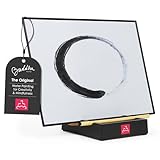
- RELAX & LET GO – The Original Buddha Board is inspired by Zen mindfulness, helping you unwind, focus, and relieve stress. Simply paint with water and watch your artwork slowly fade away, teaching the art of letting go and living in the moment.
- NO MESS, NO FUSS – JUST ADD WATER – No inks, no paints, no cleanup—just pure, water-based painting. The Buddha Board offers a clean, calming way to express yourself anytime, anywhere.
- EASY & ENDLESS CREATIVITY – Dip, paint, and watch your design disappear! The Buddha Board resets itself every time, providing endless creative possibilities for kids and adults alike.
- A UNIQUE GIFT FOR ARTISTS & MORE – Searching for gift ideas? The Buddha Board is a thoughtful and one-of-a-kind gift for artists, women, men, and anyone who enjoys creativity, mindfulness, or relaxation. Perfect for birthdays, holidays, and self-care moments
- A FUN WAY TO CREATE & RELAX – Whether you love water painting, Japanese brush art, calligraphy practice, or simple doodling, the Buddha Board makes creativity easy, fun, and calming. Ideal for home, office, classrooms, or travel, it’s a beautiful way to enjoy the present moment.
Last update on 2026-10-13 / Affiliate links / Images from Amazon Product Advertising API
Starting with Deep Breathing Techniques
To begin your mindfulness practice, focus on deep breathing techniques.
Find a quiet space where you can sit comfortably.
Start by inhaling slowly through your nose, allowing your belly to expand as you fill your lungs with air.
Hold that breath for a moment, then exhale gently through your mouth, feeling the tension release with each out-breath.
As you breathe, pay attention to the sensation of air entering and leaving your body.
If thoughts or distractions arise, gently guide your focus back to your breath.
Don’t judge yourself for losing focus; this is part of the process.
Start with a few minutes daily, gradually increasing the time as you feel more comfortable.
This simple practice helps anchor you in the present and sets a foundation for more profound mindfulness experiences.
- Find a quiet place to sit or lie down comfortably.
- Close your eyes gently to help minimize distractions.
- Inhale deeply through your nose, allowing your abdomen to expand.
- Hold your breath for a moment before exhaling slowly through your mouth.
- Focus on the feeling of the breath entering and leaving your body.
- Repeat the process for several minutes, gradually increasing the duration.
- If your mind wanders, gently bring your attention back to your breath.
Focusing on Your Breath and Observations
To start your mindfulness practice, focusing on your breath is a powerful way to anchor yourself in the present moment.
Find a quiet space where you can sit comfortably.
Close your eyes and take a deep breath in through your nose, feeling the air fill your lungs.
Hold it briefly, then exhale slowly through your mouth, releasing any tension.
As you breathe, pay close attention to the sensation of the air entering and leaving your body.
Notice how it feels as it passes through your nostrils, fills your chest, and leaves your mouth.
It’s natural for your mind to wander during this practice.
You might start thinking about your to-do list or a conversation you had earlier.
When this happens, gently acknowledge the distraction without judging yourself.
Guide your attention back to your breath, like a gentle breeze returning to your focus.
Begin with just a few minutes each day.
Gradually increase the duration as you become more comfortable with the process.
Over time, focusing on your breath will help you cultivate awareness of your thoughts and emotions, allowing you to observe them without becoming overwhelmed.
Gently Redirecting Your Mind When It Wanders
As you begin your mindfulness practice, you will notice that your mind often drifts away from the present moment.
This is entirely natural and happens to everyone.
The key is gently bringing your focus back to your breath without judging yourself.
For instance, if you think about your to-do list or replay a recent conversation, acknowledge that your mind has wandered.
Instead of feeling frustrated, observe that thought and redirect your attention to your breathing.
Visualizing your thoughts as clouds pass in the sky can be helpful—recognize them, but let them float away.
Start by setting a timer for a few minutes, focusing solely on your breath.
When distractions arise, try to embrace them with curiosity.
You might ask yourself, “What thought just popped up?” and then return to your breath.
Over time, this gentle redirection strengthens your ability to remain present, enhancing your overall mindfulness experience.
Remember, mindfulness is not about achieving a blank mind but about observing your thoughts and feelings with kindness.
Building a Daily Mindfulness Routine
Creating a daily mindfulness routine can help you integrate mindfulness into your life more effectively.
Start by selecting a specific time each day for your practice.
This could be in the morning, during your lunch break, or before bedtime—whatever best suits your schedule.
Consistency is key; try to practice at the same time each day to build a habit.
Begin with short sessions, perhaps 5 to 10 minutes, and gradually increase the duration as you feel more comfortable.
Focus on your breath or engage in a mindfulness meditation during this time.
Using guided meditations can be particularly helpful for beginners.
You might find an app or online videos that resonate with you, providing structure and guidance.
In addition to your dedicated practice time, look for opportunities to be mindful throughout your day.
For instance, try to savor each bite when you eat, noticing the flavors and textures rather than rushing through your meal.
When walking, pay attention to each step, the sensation of your feet touching the ground, and the sights and sounds around you.
This practice of mindfulness in daily activities can help reinforce your routine.
Also, consider keeping a mindfulness journal.
After each practice, jot down your thoughts or feelings; this can help you track your progress and reflect on your experiences.
Remember, patience is essential.
Mindfulness is a skill that develops over time, and it’s important to celebrate your efforts, no matter how small.
Using Guided Meditations for Support
Guided meditations can be a fantastic resource as you embark on your mindfulness journey.
These audio or video sessions typically feature a narrator who leads you through meditation, helping you stay focused and engaged.
For beginners, having someone guide you can make the practice less intimidating and more accessible.
You might find a soothing voice instructing you to breathe deeply, visualize calming scenes, or gently remind you to return your focus to the present moment whenever your mind starts to drift.
Several mindfulness apps, such as Headspace or Calm, are available.
These apps offer a variety of guided meditations tailored to different needs, such as reducing stress, improving sleep, or enhancing focus.
You can also find numerous free resources on platforms like YouTube.
For instance, searching for ’10-minute guided meditation’ can yield many options.
As you listen, pay attention to how your body responds and the feelings that arise.
This can deepen your understanding of your thoughts and emotions.
Remember, the goal isn’t perfection but to practice being present.
Each session offers an opportunity to learn and grow.
Over time, as you become more comfortable with the practice, you may find that you can meditate without guidance, allowing you to explore your thoughts and feelings with greater ease.

- 🧠 WHAT IT’S FOR: Daily guided breathing to help calm & focus your mind during the day or promote a peaceful night sleep, improving overall wellness. Continued practice can help manage or reduce stress & anxiety in all ages and can help improve symptoms of depression. A simple & fun meditation tool that can also cultivate mindfulness to help you live in the present moment.
- 🧠 HOW TO USE IT – 3 easy to use breathing modes OR as a calming night light. Simply follow fade-in, fade-out color prompts that simulate the popular 4/7/8 ‘calming breath’, 5/5 ‘balance breath’, or 4/4/4/4 ‘box breathing’. Green Buddha – Inhale , Purple Buddha – Hold, Blue Buddha – Exhale. Lightly tap on surface to adjust brightness.
- 🧠 WHO IT’S FOR – adults & kids who might benefit from a gentle daily reminder to ‘pause & reset’; visual learners who might prefer guided open-eyed meditation (those who find closing eyes harder to focus); beginning to advanced Meditation practitioners; those interested in Mindfulness; Teachers, Students & Counselors.
- 🧠 WHERE TO USE IT – fits perfectly on desk or nightstand or wherever you might benefit from a reminder. Practice at home, work, school .. or as part of a relaxing wind down routine before bed.
- 🧠 FEATURES – 2 Brightness Levels | Premium soft & squishy Silicone | 3.5x4x6 inches (lwh) | Long Rechargeable Battery life = 2 months @ 10 min/day | Auto shut off after 3 hrs | NOT INCLUDED Features: No Sound, No Moving Parts, App-Free Experience, No Manual Timer.
Last update on 2026-10-13 / Affiliate links / Images from Amazon Product Advertising API
Reflecting Through Journaling Practices
Journaling can be a powerful tool in your mindfulness journey.
It allows you to reflect on your thoughts and feelings, making it easier to observe them without judgment.
Start by setting aside a few minutes daily to write about your experiences, emotions, or insights gained during your mindfulness practice.
For example, after a deep breathing session, jot down how you felt before and after.
Did you notice a shift in your mood?
Were there any recurring thoughts that popped up?
You can also use journaling to track your progress.
Write about the small victories, such as when you remembered being present during daily activities.
This reinforces your commitment to mindfulness and helps you recognize the positive changes in your life.
Incorporating prompts can enhance your journaling experience.
Questions like “What am I grateful for today?” or “What thoughts challenged my peace?” can guide your reflections.
Over time, journaling might help deepen your self-awareness and emotional intelligence as you begin to see patterns in your thoughts and behaviors.
Remember, this is about exploration, not perfection.
Allow your journal to be a safe space for your thoughts, and enjoy the journey of self-discovery through writing.
Incorporating Mindfulness into Daily Activities
Incorporating mindfulness into your daily activities can transform mundane moments into opportunities for presence and awareness.
Start with simple actions, such as eating.
Instead of rushing through meals, take the time to savor each bite truly.
Notice the flavors, textures, and aromas, and appreciate the nourishment you provide your body.
Walking is another excellent opportunity to practice mindfulness.
Focus on the sensation of your feet touching the ground and the rhythm of your breath.
Notice your surroundings—the colors, sounds, and smells—and allow yourself to be fully present in that moment.
Even routine tasks like washing dishes can be an exercise in mindfulness.
Pay attention to the warm water, the feel of the soap, and the sound of the dishes clinking together.
Engage all your senses, bringing awareness to the task rather than letting your mind wander to other concerns.
By embedding mindfulness into these daily activities, you can cultivate peace and joy in the present moment, making each day more fulfilling.
Practicing Gratitude in Your Mindfulness Journey
Gratitude is a powerful practice that can enhance your mindfulness journey.
By taking a moment each day to acknowledge what you are thankful for, you create a positive mindset that deepens your overall experience of mindfulness.
Start small; perhaps at the end of each day, write down three things you appreciated, no matter how simple they may seem.
It could be the warmth of the sun on your skin, a kind word from a friend, or even a delicious meal.
As you incorporate gratitude into your practice, you may notice how it shifts your focus from what’s lacking in your life to what’s already present.
This shift in perspective can help you feel more connected to the world around you and more engaged in the present moment.
Consider weaving gratitude into your mindfulness sessions as well.
After a few minutes of deep breathing, please take a moment to reflect on what you’re grateful for at that moment, whether it’s the stillness of the space you’re in or the breath flowing through your body.
Practicing gratitude can also extend beyond your structured mindfulness time.
Try to express appreciation for the little things throughout your day, such as a stranger’s smile or the beauty of nature.
This ongoing practice helps cultivate a habit of noticing and valuing the positives, enriching your mindfulness journey with joy and fulfillment.
Connecting with Others in Mindfulness Groups
Joining a mindfulness group can significantly enhance your practice.
Being part of a community of like-minded individuals provides support, motivation, and shared experiences.
In these groups, you can explore mindfulness techniques together, participate in guided meditations, and share insights about your journey.
For instance, attending a local mindfulness class can help you learn from an experienced instructor and gain new perspectives.
Discussing your challenges and successes with others can deepen your understanding of mindfulness and foster connections that enrich your practice.
Online groups and forums also offer opportunities to connect with practitioners worldwide, allowing you to share tips and resources.
Whether in person or online, these connections can make your mindfulness journey more fulfilling and enjoyable.

- New
- Mint Condition
- Dispatch same day for order received before 12 noon
- Guaranteed packaging
- No quibbles returns
Last update on 2026-10-13 / Affiliate links / Images from Amazon Product Advertising API
Exploring Books to Deepen Your Mindfulness Knowledge
Diving into books about mindfulness can significantly enhance your understanding and practice.
Several well-regarded titles offer insights and guidance for beginners and those looking to deepen their journey.
For instance, Thich Nhat Hanh’s “The Miracle of Mindfulness” introduces essential concepts, making mindfulness accessible.
Another great read is “Wherever You Go, There You Are” by Jon Kabat-Zinn, which emphasizes being present in every moment.
These books explain techniques and share personal stories and reflections that can inspire and motivate you.
You might also consider “Radical Acceptance” by Tara Brach. This book blends mindfulness with self-compassion, teaching you to embrace your present experience without judgment.
Exploring these resources can give you new perspectives, practical exercises, and encouragement to further your mindfulness practice.
Developing Mindfulness as a Skill Over Time
Mindfulness is not something you master overnight; it is a skill that takes time and consistent practice to develop.
Just like learning a musical instrument or a new language, the key is to practice regularly and be patient with yourself.
Start with short sessions, perhaps just a few minutes each day, and gradually increase the time as you become more comfortable.
For example, you might begin with five minutes of meditation, focusing on your breath, and then extend it to ten or fifteen minutes as you grow more familiar with the process.
As you practice, you may notice fluctuations in your ability to focus and stay present.
Some days will feel more straightforward than others, and that’s perfectly normal.
Embrace these ups and downs as part of the journey.
Each time you notice your mind wandering and gently bringing your attention back, you strengthen your mindfulness muscle.
Incorporating mindfulness into everyday activities can also support your growth.
Practice being fully present while eating, walking, or even during mundane chores like washing dishes.
This approach helps you to integrate mindfulness into your daily life, making it more natural and less of a chore.
Remember to celebrate your small achievements along the way.
Whether it’s a moment of clarity during meditation or simply enjoying a meal without distractions, acknowledging these wins can motivate you to keep going.
The more you engage with mindfulness, the more you’ll notice positive changes in your thoughts and emotions, ultimately fostering a more profound sense of peace and acceptance.
Being Patient and Celebrating Small Wins
Starting your mindfulness journey is like planting a seed; growing takes time and care.
One of the most critical aspects of this journey is being patient with yourself.
Mindfulness is a skill that develops gradually, and it’s expected to have days when it feels challenging.
Some days, you might find it easy to focus on your breath, while others, your mind might wander more than usual. Instead of feeling frustrated, remind yourself that this variability is part of the process.
Celebrating small wins is equally crucial.
Perhaps you managed to meditate for five uninterrupted minutes today, or you noticed a moment of calm during a busy day.
Acknowledge these achievements, no matter how minor they may seem.
They are stepping stones on your journey.
You could keep a mindfulness journal where you jot down these little victories or share them with a friend or in a mindfulness group.
This practice of recognition fosters a positive mindset and encourages you to continue.
For example, if you find joy in simply being aware of your breath during a particularly stressful moment, take a moment to appreciate that awareness.
Each time you notice a shift in your emotional state or a moment of peace, recognize it as a win.
The more you celebrate these small moments, the more committed you’ll feel to your practice.
Embrace the journey with curiosity and kindness towards yourself. Remember, mindfulness is not about achieving perfection; it’s about progress and growth.

Last update on 2026-10-13 / Affiliate links / Images from Amazon Product Advertising API
Enhancing Self-Awareness through Mindfulness
Mindfulness plays a crucial role in enhancing self-awareness.
You can observe your thoughts and feelings without judgment by being present and fully engaged at the moment.
This process allows you to recognize patterns in your thinking and emotional responses.
For example, during a mindfulness session, you might notice that specific thoughts trigger feelings of anxiety.
Acknowledging this without criticism helps you understand your reactions better.
As you practice mindfulness, you become more attuned to your internal landscape.
This increased awareness can lead to moments of clarity, where you can discern what truly matters to you.
For instance, while washing dishes mindfully, you might realize how often your mind drifts to worries about the future instead of enjoying the task.
This awareness is the first step toward making conscious choices that align with your values.
Moreover, mindfulness encourages you to embrace your experiences, both positive and negative.
Journaling allows you to reflect on your thoughts and emotions, track your progress, and see how your self-awareness evolves.
You may find that you respond more calmly in stressful situations or appreciate the little joys in life more deeply.
Ultimately, enhancing self-awareness through mindfulness invites you to live more authentically.
You begin to understand what drives your actions and how you relate to others, leading to improved relationships and a greater sense of peace within yourself.
Embracing Your Mindfulness Journey with Openness
Embracing your mindfulness journey with openness means allowing yourself to experience each moment without preconceived notions or expectations.
It’s about recognizing that every thought, feeling, or sensation is part of your unique path.
When you approach mindfulness with an open heart and mind, you become more attuned to the present moment, making it easier to observe without judgment.
For instance, you might feel restless or distracted when you sit down to practice mindfulness.
Instead of labeling these feelings unfavorable, acknowledge them as part of your experience.
This openness helps you cultivate a non-judgmental awareness, essential for deepening your practice.
As you navigate your mindfulness journey, remember that it’s perfectly okay to have ups and downs.
Some days will feel more challenging than others, and that’s part of the process.
Accepting these fluctuations can foster resilience and a deeper connection to your practice.
Engaging in mindfulness with openness also encourages curiosity.
Allow yourself to explore techniques like mindful walking or eating and see how they resonate with you.
Each new experience can provide insights and enrich your understanding of mindfulness.
Finally, celebrate your journey, no matter how small the steps seem.
Whether it’s a moment of clarity during meditation or simply noticing a beautiful sunset, each experience is valuable.
Embracing your mindfulness journey with openness will lead to greater self-discovery and a more fulfilling life.
Noticing Positive Changes in Your Life
As you embark on your mindfulness journey, you may notice subtle yet significant changes.
Initially, you might feel a greater sense of calm and clarity.
For example, instead of reacting impulsively during stressful situations, you may find yourself pausing to breathe and assess the moment more thoughtfully.
This shift can lead to improved decision-making and fewer regrets.
Moreover, mindfulness can enhance your emotional well-being.
You may find that your mood stabilizes, and you’re better equipped to handle challenges without becoming overwhelmed.
Imagine a typical day when you might feel anxious about a meeting. With mindfulness, you could approach it with a sense of calm and confidence, knowing you can manage your thoughts and emotions.
You might also observe improvements in your relationships.
As you cultivate a deeper awareness of your feelings and reactions, you become more attuned to the feelings of others.
This empathy can foster more meaningful connections with friends, family, or colleagues.
For instance, you may listen more actively when conversing, leading to more profound and fulfilling exchanges.
As you consistently practice mindfulness, the little moments in life may begin to stand out.
You might find joy in simply sipping your morning coffee, noticing its warmth and aroma, rather than rushing through it.
This appreciation for the present can enhance your overall happiness and contentment.
Lastly, practicing gratitude alongside mindfulness can amplify these positive changes.
By regularly acknowledging what you appreciate, you cultivate a mindset of abundance rather than scarcity.
This shift in perspective can profoundly affect how you perceive daily experiences, allowing you to approach life with an open heart and mind, ready to embrace all it has to offer.

- 52 EASY EXERCISES FOR EVERYONE: This unique Self Care Deck contains 52 extremely effective exercises for mindfulness, meditation, anxiety relief, stress management, self care, relaxation & more. These powerful exercises can be quickly memorized and used at work, office, school, commute, counseling, yoga, at your desk & even before going to sleep. These cards were developed by a team of therapists, counselors and yogi professionals to teach you how to stop your stress reaction and relax.
- POWERFUL MEDITATION AND MINDFULNESS TECHNIQUES: These exercises are known to help reduce stress, anxiety and stop the mind’s automatic stress response. These exercises allow you to tap into the knowledge of advanced Yogis and Meditation professionals without requiring any prior knowledge. You will also learn how to focus on your breathing, observe your body, and awaken positive thoughts through visualizations.
- RECOMMENDED BY HEALTH CARE PROFESSIONALS: For kids, teens, women, men & adults, our self care kit cards are recommended by medical doctors in occupational mental health care, as well as psychologists, psychiatrists, nurse gifts therapists and counselors. Great gifts for stress relief, psychology, meditation, relaxing, calming, mindfulness, anxiety relief, care package for stress, school counselor supplies, stress relief gadgets, stress therapy, teacher care package, 15 or less gifts & for relaxation.
- REMARKABLY APPEALING: Our large stress less & self care cards (5 x 4 inches) were designed to be big & appealing to any age group. Our beautifully designed box and cards captures your attention and our exercises engage your mind to focus. If you’re looking for an effective way to deal with a stressful environment, these positive affirmations cards offer a self-empowering way by teaching you invaluable exercises & techniques that you can keep with you for the rest of your life.
- TRAVEL SIZED: Carefully designed to not be too big nor too small, our self care cards are convenient and lightweight which allows you to take them anywhere you go. It’s a must have tool for meditation, stress management, depression, occupational therapy, anxiety, self care, mental health, psychotherapy, mindfulness, coping tools for kids & much more.
Last update on 2026-10-13 / Affiliate links / Images from Amazon Product Advertising API
Transforming Your Life with Mindfulness
Mindfulness can be a powerful tool for transforming your life.
Focusing on the present can cultivate a more profound peace and acceptance.
This shift in awareness allows you to observe your thoughts and feelings without judgment, leading to greater emotional resilience.
For instance, when faced with a stressful situation, one can pause, breathe, and respond clearly instead of reacting impulsively.
This practice reduces anxiety and helps you make better decisions.
As you begin incorporating mindfulness into your daily routine, you may notice changes in how you interact with others. Improved self-awareness allows you to respond more thoughtfully, strengthening your relationships.
You may find yourself listening more intently and engaging more fully in conversations, which fosters deeper connections.
Mindfulness also invites an appreciation for life’s simple joys.
Whether it’s savoring a meal, enjoying nature, or feeling the sun’s warmth, being present enhances your experience.
Over time, these moments of awareness can lead to a more fulfilling life as you learn to value each experience for what it is.
Ultimately, the mindfulness journey is not just about the practice but about embracing a new way of living that prioritizes presence and gratitude.
Living Fully in the Present Moment
Living fully in the present moment is at the heart of mindfulness.
It invites you to experience life as it unfolds rather than being lost in thoughts about the past or future.
When you practice mindfulness, you learn to engage deeply with your surroundings, whether it’s the taste of your food, the texture of the fabric you’re touching, or the sounds in your environment.
For instance, when eating, try to savor each bite.
Notice the flavors, the temperature, and the sensations in your mouth. This simple act can transform a mundane meal into a rich experience.
Moreover, being present helps you recognize and acknowledge your thoughts and feelings without judgment.
Instead of reacting to stressors with anxiety or worry, you can observe your emotional responses with curiosity.
This shift can empower you to choose how to respond rather than simply reacting out of habit.
As you cultivate this presence, you may find joy in everyday activities.
Whether you take a walk and feel the breeze on your skin or wash dishes and appreciate the warmth of the water, these small experiences can bring a sense of fulfillment and peace.
Practicing mindfulness also fosters self-awareness, allowing one to understand one’s thoughts and feelings more clearly.
This can lead to improved relationships with others.
Ultimately, living fully in the present moment encourages a deeper appreciation for life’s simple joys, creating space for peace and acceptance amidst life’s chaos.
Taking the First Step in Your Mindfulness Journey
Starting your mindfulness journey begins with a simple decision: to be present.
Mindfulness is about fully engaging in the moment, and it all starts with understanding what this practice entails.
It’s essential to recognize that mindfulness is not just about meditation; it’s a way of life that can help reduce stress, improve focus, and enhance your emotional well-being.
To take the first step, find a quiet space to sit comfortably without distractions.
Start by focusing on your breath. Inhale slowly through your nose, hold it for a moment, and then exhale gently through your mouth.
Pay attention to the sensations of the air entering and leaving your body.
This practice grounds you in the present moment.
As you begin, you may notice your mind wandering.
This is entirely normal. When it happens, gently guide your attention back to your breath without judging yourself.
Start with just a few minutes each day, and as you feel more comfortable, gradually increase the duration of your practice.
Consider using guided mindfulness meditation apps or videos to help you maintain focus and provide structure.
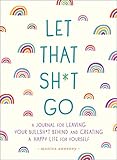
Journaling is also a powerful tool for reflecting on your experiences and tracking your progress.
It allows you to express your thoughts and feelings, deepening your understanding of mindfulness.
You can also incorporate mindfulness into daily activities.
Whether eating, walking, or washing dishes, focus entirely on the task.
Practicing gratitude is another valuable aspect; take a moment to acknowledge things you appreciate each day.
This fosters a positive mindset and enhances your overall mindfulness practice.
Connecting with others can enrich your journey as well.
Joining mindfulness or meditation groups allows you to share experiences and learn from one another.
Reading books on mindfulness can provide new insights and inspire you along the way.
Remember, mindfulness is a skill that develops over time.
Be patient with yourself, as every journey has its ups and downs.
Celebrate small achievements and stay curious about your experiences.
Embrace this journey, knowing it’s about progress, not perfection.
As you practice, you’ll notice positive changes in your thoughts, emotions, and overall well-being.
Last update on 2026-10-13 / Affiliate links / Images from Amazon Product Advertising API
Frequently Asked Questions
1. What does it mean to practice mindfulness?
Practicing mindfulness means focusing on the present moment and being aware of your thoughts, feelings, and surroundings without judging them.
2. How can I start being more mindful in my daily life?
You can start being more mindful by taking a few moments each day to pay attention to your breath, noticing what you’re doing, and trying to experience each moment fully.
3. Do I need any special tools or apps to practice mindfulness?
No, you don’t need special tools or apps. You can practice mindfulness anywhere by being aware of your thoughts and surroundings.
4. How long should I practice mindfulness each day?
Even a few minutes of mindfulness each day can be helpful. Start with 5 to 10 minutes and gradually increase the time as you get more comfortable.
5. Can mindfulness help with stress and anxiety?
Practicing mindfulness can help reduce stress and anxiety by promoting relaxation and helping you cope better with difficult emotions.
Mindfulness is about being present and engaged, helping reduce stress and improve emotional well-being. To start, create a comfortable space, practice deep breathing, and gently refocus your mind when it wanders. Incorporate mindfulness into daily activities and consider journaling to reflect on your experiences. Join mindfulness groups and read books to deepen your understanding. Remember to be patient, as mindfulness is a developing skill, and celebrate your small wins. Embrace the journey to experience positive changes and transform your life.