
The Hidden Science of Water: Surprising Properties That Shape Our World

Water is everywhere and absolutely crucial for life. Its basic structure consists of two hydrogen atoms bonded to one oxygen atom (H2O). What makes water so interesting are its unique properties.
For instance, when it freezes, water expands instead of contracting, allowing ice to float—vital for aquatic ecosystems. It also has a high specific heat capacity, helping keep our climate stable by absorbing heat efficiently.
Ongoing research explores water’s mysteries under extreme conditions, revealing different ice structures and even superionic ice found on distant planets like Neptune.
Understanding these properties can lead to breakthroughs in fields from biology to energy technology.

Last update on 2026-11-23 / Affiliate links / Images from Amazon Product Advertising API
Water: The Essential Compound for Life
Water is everywhere, covering about 71% of the Earth’s surface, primarily in oceans. It is not just a simple liquid; it is a crucial component of all living things. In fact, the human body is about 60% water, highlighting its importance for our health and function.
Water acts as a solvent, enabling various chemical reactions to occur in our cells. It plays a vital role in transporting nutrients and waste, ensuring our biological systems function smoothly.
Plants rely on water for photosynthesis, the process that allows them to convert sunlight into energy. This makes water essential not only to plant life but also to the entire ecosystem, as many forms of life depend on its availability. From tiny microorganisms to large mammals, every living organism requires water to thrive.
Moreover, water helps regulate temperature in living organisms, keeping our bodies stable.
Cell hydration is directly linked to their health and function, showing just how indispensable water is. Without it, life, as we know it, would simply not exist.
Understanding Water’s Molecular Structure
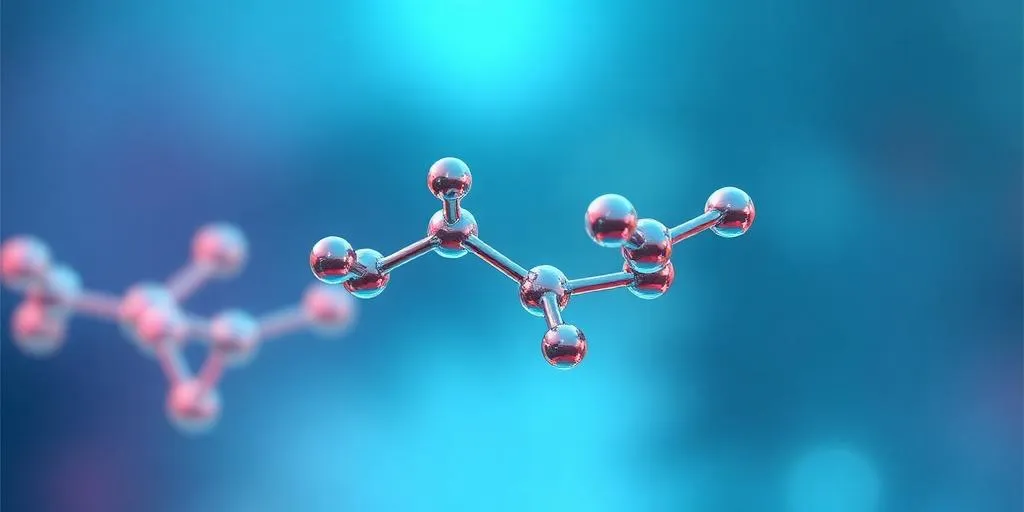
Water is a simple yet remarkable molecule made up of two hydrogen atoms bonded to one oxygen atom, creating the formula H2O. These atoms form a bent shape, with an angle of about 104.5 degrees. This unique configuration is what gives water its special properties.
The molecule is polar, meaning one side has a slight positive charge while the other has a slight negative charge. This polarity allows water molecules to interact through hydrogen bonds, leading to many of water’s unusual characteristics.
For example, the hydrogen bonds are responsible for water’s high boiling and freezing points compared to other similar substances. Additionally, water has a high dielectric constant, making it an excellent solvent for many ionic compounds.
Understanding this molecular structure is crucial for predicting how water behaves under various conditions, whether solid, liquid, or gas. Ongoing research continues to unveil the complexities of water’s structure, revealing its vital role in nature and its potential impacts across multiple scientific fields.
Unique Properties That Define Water

Water is truly a remarkable substance, and its unique properties set it apart from everything else. One of its most fascinating characteristics is its high specific heat capacity. This means that water can absorb a lot of heat without a significant rise in temperature.
Because of this, it plays a critical role in regulating climate and maintaining stable environments for all living creatures. For instance, oceans and large bodies of water can moderate temperature swings, creating more stable climates.
Another intriguing feature is that water expands when it freezes, which is quite unusual for a liquid. Most substances contract when they solidify, but water’s structure makes ice less dense than liquid water. This is why ice floats, providing an insulating layer that protects aquatic life during freezing temperatures.
Water also has a high heat of vaporization, which is essential for cooling processes. For example, when we sweat, water evaporating from our skin helps cool our bodies.
Additionally, water’s high surface tension allows small insects, like water striders, to walk on its surface without sinking. This property also plays a vital role in the way plants transport water from their roots to their leaves.
Moreover, water is known as the universal solvent. It can dissolve a wide range of substances, making it indispensable for countless chemical reactions. Whether in our bodies or in nature, water’s ability to dissolve minerals, nutrients, and gases supports life and sustains ecosystems.
Water’s molecular structure allows it to form hydrogen bonds, leading to various shapes and structures. These bonds enable water molecules to cluster together, significantly influencing its behavior in different environments.
As scientists continue to study these unique properties, we uncover more about water’s complexities and its essential role in life and natural processes.
- Water has a high specific heat capacity, meaning it can absorb a lot of heat without a significant change in temperature.
- This property helps stabilize temperatures in environments and organisms.
- Water expands when it freezes, so ice floats on liquid water.
- The density of ice is lower than that of liquid water, which is unusual for a substance.
- Water has a high heat of vaporization, which helps cool processes like sweating.
- It has a high surface tension, allowing some insects to walk on water’s surface.
- Water’s solvent properties enable it to dissolve a variety of substances, making it vital for chemical reactions.
- Hydrogen bonding allows it to form a variety of shapes and structures.
- Water molecules can also form clusters, influencing its behavior in different environments.
- These unique properties make water essential for life and various natural processes.

- THE BEST CONTAMINANT REMOVALº: Powerful filtration removes 10X more than the leading brand^, eliminating up to 99% and 80+ contaminants, including microplastics, forever chemicals§, carcinogens, pharmaceuticals, and more*.
- ADVANCED FILTRATION SYSTEM: Catches what other filters don’tº and tracks usage so every drop is protected.
- CLEAN, NATURAL TASTE: Eliminates 40+ taste-impairing contaminants while preserving natural minerals and electrolytes.
- FAST, ONE-TOUCH FILTRATION: Instantly dispenses clean water 6X faster vs. Brita standard filter. Custom one-touch filling lets you set your volume for one-touch dispensing. From cooking, to coffee reservoirs & water bottles, and more.
- INTERACTIVE TOUCHSCREEN DISPLAY WITH USAGE TRACKING: Monitors water usage in real time with precise filter status tracking and personalized replacement timing—so you never replace too soon or too late.

Last update on 2026-11-23 / Affiliate links / Images from Amazon Product Advertising API
The Mystery of Water’s Freezing Process
Water freezes at 0 degrees Celsius under standard atmospheric pressure, but the journey to ice involves fascinating changes. As water cools, its molecules slow down and form a unique crystalline structure as they bond together. This process releases energy, which allows the molecules to connect more tightly.
Unlike most substances, water expands when it freezes, which is vital for life in aquatic environments. This expansion creates a layer of ice that insulates the water below, keeping aquatic organisms safe and warm during winter months.
Interestingly, water can remain liquid even below freezing, a phenomenon known as supercooling. This occurs when water lacks impurities that would otherwise initiate freezing.
When water does freeze, it adopts a hexagonal crystal structure, making ice less dense than liquid water and allowing it to float. Pressure can also influence freezing; increasing pressure lowers water’s freezing point, showing how complex and variable water’s behavior can be.
Understanding how water freezes is crucial for various scientific fields. It plays a significant role in climate patterns and helps researchers study ice behavior in nature.
Insights gained from freezing processes can inform technologies in food preservation and cryogenics, highlighting the importance of this seemingly simple yet profoundly complex substance.
How Water Regulates Climate and Temperature
Water plays a crucial role in regulating our planet’s climate and temperature because of its unique properties. For instance, water has a high specific heat capacity, which means it can absorb and store a lot of heat from the sun without a significant rise in temperature.
This property allows large bodies of water, like oceans, to act as natural heat reservoirs, helping to moderate coastal temperatures and prevent extreme weather conditions. When water evaporates from the ocean surface, it cools the surrounding air and influences local and global weather patterns.
Moreover, water vapor itself is an important greenhouse gas. It traps heat in the atmosphere, helping regulate Earth’s temperature. Ocean currents also play a significant role by distributing heat across the planet and affecting different climate zones.
For example, warm currents like the Gulf Stream can raise temperatures in northern Europe, while cold currents can lead to cooler climates in other regions.
The water cycle, which includes processes like evaporation, condensation, and precipitation, also helps regulate climate.
Changes in water temperature can disrupt this cycle, leading to altered weather patterns and climate instability. Generally, regions with abundant water tend to have milder climates than arid areas, where extreme temperatures are more common.
Understanding how water influences climate is vital for predicting the effects of climate change, and ongoing research can inform policies aimed at conservation and environmental protection.
Exploring Water’s Boiling and Freezing Points
Water’s boiling and freezing points are fundamental to understanding this essential substance. Under standard atmospheric pressure, water boils at 100 degrees Celsius and freezes at 0 degrees Celsius. However, these points can change depending on various factors. For instance, at higher altitudes, the boiling point decreases, which is why cooking pasta in the mountains can take longer.
Pressure also plays a significant role; in a vacuum, water can boil at much lower temperatures than it does at sea level. Additionally, impurities or solutes can alter these phase-change points, making the study of water’s behavior essential in fields like cooking, food science, and engineering.
These phase changes, where water transforms from solid to liquid to gas, are critical for numerous natural processes, including weather patterns and climate phenomena. Understanding these changes can help predict storms and climate shifts, making this research vital.
Moreover, safety standards in industries such as food production and pharmaceuticals rely heavily on accurate knowledge of water’s boiling and freezing points.
Research into these areas not only informs practical applications but also enriches our understanding of thermodynamics and energy efficiency, highlighting the complex nature of water that continues to fascinate scientists.
| Condition | Boiling Point (°C) | Freezing Point (°C) |
|---|---|---|
| Standard Atmospheric Pressure | 100 | 0 |
| High Altitude | Decreases | 0 |
| Vacuum | Lower than 100 | Lower than 0 |
| With Impurities | Varies | Varies |
Extreme Conditions: Water’s Crystalline Forms
Under extreme conditions, water reveals its fascinating ability to form over 15 different crystalline structures, known as ice polymorphs. These unique forms emerge under different pressures and temperatures, showcasing water’s versatility beyond its common state.
One of the most intriguing types is superionic ice, which is theorized to exist on icy planets like Neptune and Uranus. In this state, water molecules act as both solid and liquid, blurring the line between these phases.
Each crystalline form of ice has distinct properties and structures that influence its behavior in different environments. Understanding these ice polymorphs is crucial for scientists studying planetary atmospheres and geology, as they provide insights into the conditions on distant worlds.
Furthermore, the high-pressure ice phases can inform research in materials science and engineering, potentially leading to innovative applications.
By exploring water’s crystalline forms, researchers can better understand its behavior in extreme conditions. This knowledge is not just academic; it has implications for climate and environmental science, helping us to understand water’s vital role in biological processes.
Investigating these ice structures expands our knowledge of physics and chemistry, revealing the complex nature of a substance that, despite its simplicity, continues to captivate scientists.
The Role of Superionic Ice in Planetary Science
Superionic ice is a fascinating state of water that scientists believe exists in the ice giants of our solar system—Neptune and Uranus. Under the extreme pressures found in these planets, hydrogen ions can move freely while the oxygen remains locked in a solid lattice.
This unique behavior of water challenges our traditional understanding of solids and liquids, as it exists in a state that exhibits properties of both. The implications of superionic ice extend beyond just planetary science; they may influence the magnetic fields of these distant planets and help researchers model their interiors and atmospheres more accurately.
Understanding superionic ice is crucial for gaining insights into the formation and evolution of icy planets. By studying this exotic form of water, scientists can also better understand water’s behavior under extreme conditions, which is essential when considering the potential for life on exoplanets.
If superionic ice can exist on these distant worlds, it opens new possibilities for habitability in places we once thought were too harsh.
Moreover, exploring superionic ice not only advances planetary science but also has implications for materials science and energy storage. Insights from this research can lead to technological advances, such as improved energy systems. This aspect of water further emphasizes how exploring its secrets expands our knowledge of the universe and the myriad possibilities it holds.
Atomic-Level Studies of Water at ESS
The European Spallation Source (ESS) is on the cutting edge of research, developing innovative tools to study water at the atomic level. By using neutrons to probe water’s molecular structure, scientists can uncover detailed insights into how it behaves under different conditions.
This research isn’t just academic; it could impact a wide range of fields, including chemistry, biology, and environmental science.
Understanding how water interacts at the molecular level is crucial for advancements in nanotechnology and can lead to breakthroughs in energy-efficient technologies.
For instance, insights gained from these atomic-level studies can enhance our understanding of water’s role in chemical reactions and biological processes, which is vital for developing new green energy solutions, such as efficient hydrogen production through electrolysis.
Focusing on water’s complexity through atomic-level studies allows researchers to discover new properties and behaviors, including how it influences protein folding and interacts with other molecules.
Collaborations among scientists at ESS highlight the importance of interdisciplinary approaches in tackling the mysteries of this essential compound, making it an exciting time for water research that could lead to significant scientific advancements.

- 𝗘𝗳𝗳𝗶𝗰𝗶𝗲𝗻𝘁 𝗣𝘂𝗿𝗶𝗳𝗶𝗰𝗮𝘁𝗶𝗼𝗻, 𝗣𝗲𝗮𝗰𝗲 𝗼𝗳 𝗠𝗶𝗻𝗱: The DREO 7‑in‑1 RO water filter filters out 99.9% of possible contaminants in water including PFOA, PFOS, chlorine, fluoride and more. It was tested by SGS meeting NSF/ANSI 58 Standards.
Last update on 2026-11-23 / Affiliate links / Images from Amazon Product Advertising API
Collaborative Research on Water’s Properties
The Center for Molecular Water Science (CMWS) brings together experts to deepen our understanding of water’s unique properties. Through collaboration, scientists are deepening their understanding of water’s molecular processes, which is essential across many fields of study.
One exciting aspect of this research involves creating special setups that mimic conditions found in giant planets. This allows researchers to explore how water behaves under extreme pressures and temperatures, revealing new insights into its fundamental characteristics.
Additionally, water’s influence on protein folding is a significant focus in biological studies. By examining how water interacts with proteins, scientists can uncover the mechanisms that drive biological functions.
This understanding is crucial because it can drive advances in medical science and biotechnology.
Moreover, recognizing water’s role in chemical reactions is vital for developing green energy technologies. For instance, researchers are investigating how water can be used in hydrogen production through electrolysis, aiming to create sustainable energy solutions.
Water’s importance transcends individual disciplines, underscoring the need for scientific collaboration.
Discussions among scientists during initiatives like the DESY Water Week foster knowledge exchange, spark innovative ideas, and spur collaborative projects. These partnerships could lead to groundbreaking technologies for water purification and conservation, addressing the global challenges of water scarcity and management.
Overall, ongoing research highlights the complexity and significance of water—a substance that is simple yet filled with mysteries waiting to be unraveled.
Water and Protein Folding in Biological Studies
Water is not just a simple liquid; it’s a vital player in the world of proteins, which are essential for many functions in our bodies. In water, proteins fold into specific shapes based on their unique amino acid sequences. Water molecules influence this folding by creating a hydration shell around the protein.
This shell is crucial because it helps determine how proteins interact with each other and ensures they fold correctly. Interestingly, research has shown that water can stabilize certain protein structures, helping them retain their function even under stress.
Studies reveal that water’s unique properties can alter the pathways that proteins take as they fold. This means that the same protein might end up in different shapes depending on the water conditions it experiences.
Understanding how water affects protein folding is especially important for diseases caused by misfolded proteins, like Alzheimer’s. In these cases, the wrong shape can lead to harmful aggregates in the brain.
Moreover, water plays a key role in enzyme activity. It can affect reaction rates and how enzymes function. Scientists use advanced techniques like nuclear magnetic resonance (NMR) to observe protein folding in real time in water solutions.
Molecular simulations are also becoming a powerful tool in predicting how water impacts protein dynamics and stability. This ongoing research into the relationship between water and protein folding is paving the way for new drug designs and therapies, making it a significant area of study in biological sciences.
Advancements in Green Energy Through Water Research
Water is emerging as a critical player in green energy technologies, especially in hydrogen production through electrolysis. This method splits water into hydrogen and oxygen, allowing hydrogen to be used as a clean fuel source.
Researchers are focused on making electrolyzers more efficient, which is key to lowering hydrogen production costs and expanding access.
Additionally, water management is essential in renewable energy systems because it directly affects energy conversion and storage. Exciting studies are also exploring seawater for hydrogen production, offering a nearly limitless resource for clean energy.
Innovative techniques, like photoelectrochemical cells, are being developed to harness sunlight effectively for water splitting. Water’s unique properties also enhance battery performance by helping maintain temperature and regulate reactions. Advances in nanotechnology are also improving water purification methods, which are vital for sustainable energy practices.
Moreover, water plays a significant role in thermal energy storage systems, leveraging its high specific heat capacity to store and release energy efficiently. The ongoing link between water research and green energy innovations is paving the way towards a more sustainable future.
Insights from the DESY Water Week
The DESY Water Week brought together leading scientists to explore the many mysteries of water. Researchers shared their latest findings and discussed ongoing projects that highlight the interdisciplinary nature of water studies. Panels explored water’s significance across diverse scientific fields, including climate science, biology, and materials science.
One exciting aspect of the event was the presentation of innovative techniques for examining water at the molecular level, including advanced imaging and analysis methods. Participants emphasized the importance of collaboration and data sharing, which can greatly improve outcomes in water research.
Workshops provided valuable training on new technologies and methods for investigating water’s properties and behaviors, ensuring scientists have the latest tools. Networking opportunities allowed attendees to forge partnerships and explore new research avenues, further enriching collective knowledge.
Keynote speakers also addressed the societal impacts of water research, focusing on environmental sustainability and public health. Overall, the event reinforced the global importance of ongoing water research and the necessity for continued funding and support.
Unraveling Water’s Mysteries: Ongoing Research
Researchers are delving into water’s molecular structure to uncover its unique properties and behaviors. One fascinating area of study is water’s ability to exist in various states, such as superionic ice, which can form under extreme conditions.
Understanding hydrogen bonding in water is crucial because it helps explain why water has higher boiling and freezing points than most other substances. For example, at standard atmospheric pressure, water boils at 100 degrees Celsius and freezes at 0 degrees.
Scientists are also investigating water’s crystalline forms, which provide insights into its behavior in environments as extreme as those found in outer space.
The Center for Molecular Water Science focuses on studying water’s fundamental processes at the molecular level. This includes examining how water interacts with different materials and influences their properties and reactions.
Another key area of ongoing research is water’s role in climate regulation. It significantly affects weather patterns and ecosystems, making it a vital area of study. Researchers are developing advanced computational models to simulate water’s behavior under various conditions, offering predictive insights that can guide future research and applications.
Research findings are not just theoretical; they are being applied to improve water purification and desalination technologies.
As scientists continue to explore water’s many mysteries, they uncover new applications and insights that could transform how we approach environmental and biological challenges.

- Filtered Water Dispenser: The 32 Cup 5-stage Ready-Read Water Filter Dispenser has an integrated TDS Meter to instantly check the levels of dissolved solids before dispensing or pouring water – always know when it is time to change your filter! Change filter when meter reads 006.
- 5-Stage Filtration: Removes virtually all total dissolved solids (TDS) for the purest tasting water; Total Dissolved Solids are organic and inorganic materials, such as metals, minerals, salts, and ions dissolved in water.
- IAPMO certified and BPA free: The filter is IAPMO certified to reduce PFOA/PFOS, lead, chromium and mercury. All material is BPA free
- Including: 32-cup Ready-Read Filter Water Dispenser, 1 ZeroWater 5-Stage Filter with Ion Exchange Technology and a Free TDS Meter.
- Eco-Friendly: Save up to 110 single-use plastic bottles per filter or up to 660 bottles a year while enjoying the purest tasting
Last update on 2026-11-23 / Affiliate links / Images from Amazon Product Advertising API
Frequently Asked Questions
What are the main types of water found on Earth?
On Earth, the main types of water include saltwater, which makes up about 97% of the oceans, and freshwater, found in rivers, lakes, glaciers, and underground sources. Freshwater is crucial for drinking, irrigation, and supporting ecosystems.
How does pollution affect our water supply?
Pollution harms our water supply by introducing harmful substances such as chemicals, waste, and pathogens. This can contaminate drinking water, disrupt aquatic life, and make water unsafe for recreational use. Keeping water clean is vital for health and the environment.
Why is water conservation important?
Water conservation is essential because it helps preserve this precious resource for future generations. Using less water reduces strain on our water supply, protects local ecosystems, and lowers water bills. Plus, every drop counts during droughts.
What role does water play in our daily lives?
Water plays a vital role in our lives. We need it for drinking, cooking, cleaning, and sanitation. Additionally, it supports agriculture, industry, and recreation. Understanding its importance helps us better appreciate and manage this resource.
How can I test the quality of my water at home?
You can test your water quality at home using simple test kits available at stores or online. These kits can check for common contaminants like bacteria, lead, and chlorine.
It’s a good idea to test your water regularly, especially if you use a private well.
Water is essential for life, made of H2O with unique properties like expanding when it freezes and having a high specific heat capacity. These properties help regulate climate and maintain stable temperatures. Hydrogen bonds influence water’s behavior, including its unusual boiling and freezing points.
Under extreme conditions, it can form various ice structures, such as superionic ice found on ice giants. Ongoing research at facilities like the European Spallation Source seeks to uncover water’s molecular secrets, with implications for fields from biology to green energy.
Collaborative efforts, such as those discussed during DESY Water Week, highlight water’s complexity and importance in science.