
Unlock the Secrets: 7 Simple Strategies for Daily Meditation That Will Change Your Life

Daily meditation can be transformative, but establishing it as a routine often proves challenging.
To make it part of your everyday life, first set a specific time each day to meditate—this helps create a habit. Second, start small; just five minutes at first can be effective.
Thirdly, find a comfortable space where you feel relaxed and focused.
Using guided sessions or apps can also aid beginners in staying engaged.
Tracking your progress in a journal also lets you see improvements over time.
Finally, don’t be hard on yourself if you miss days; get back to it when you can!
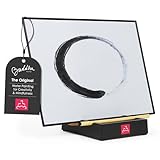
- RELAX & LET GO – The Original Buddha Board is inspired by Zen mindfulness, helping you unwind, focus, and relieve stress. Simply paint with water and watch your artwork slowly fade away, teaching the art of letting go and living in the moment.
- NO MESS, NO FUSS – JUST ADD WATER – No inks, no paints, no cleanup—just pure, water-based painting. The Buddha Board offers a clean, calming way to express yourself anytime, anywhere.
- EASY & ENDLESS CREATIVITY – Dip, paint, and watch your design disappear! The Buddha Board resets itself every time, providing endless creative possibilities for kids and adults alike.
- A UNIQUE GIFT FOR ARTISTS & MORE – Searching for gift ideas? The Buddha Board is a thoughtful and one-of-a-kind gift for artists, women, men, and anyone who enjoys creativity, mindfulness, or relaxation. Perfect for birthdays, holidays, and self-care moments
- A FUN WAY TO CREATE & RELAX – Whether you love water painting, Japanese brush art, calligraphy practice, or simple doodling, the Buddha Board makes creativity easy, fun, and calming. Ideal for home, office, classrooms, or travel, it’s a beautiful way to enjoy the present moment.
Last update on 2026-10-12 / Affiliate links / Images from Amazon Product Advertising API
1. Set a Specific Time for Meditation
Choosing a specific time each day for meditation can help establish it as a non-negotiable part of your routine.
Whether first thing in the morning, during your lunch break, or right before bed, having a set time signals to your brain that this is a priority.
For example, meditating every morning at 7 a.m. can create a mental cue that prepares you for this practice.
Consistency is key; over time, your body will get used to this schedule, making it easier to slip into meditation mode.
Think of it like brushing your teeth; once it becomes part of your morning ritual, it feels incomplete without it.
2. Create a Dedicated Space for Practice
Having a dedicated space for meditation can significantly enhance your practice.
This space should be quiet, comfortable, and free from distractions. It doesn’t need to be significant; even a tiny corner of a room can work.
Use cushions, mats, or a chair that you find comfortable.
You might also want to decorate the space with calming elements like plants, candles, or artwork that inspires tranquility.
For example, placing a small Buddha statue or a calming image on the wall can be a visual reminder to meditate.
By consistently using this space, your mind will associate it with relaxation and focus, making it easier to slip into a meditative state when you practice.

3. Start with Short Sessions
It’s wise to start with short sessions when beginning your meditation journey.
This approach makes it easier to integrate meditation into your daily routine.
Start with just five minutes a day.
As you become more comfortable, you can gradually increase the time.
For example, if five minutes feels manageable, extend it to ten minutes after a week.
Short sessions help prevent overwhelming feelings and allow you to focus on the practice without the pressure of a long commitment.
You can also use these brief moments to check in with yourself, helping to cultivate mindfulness throughout your day.

- 🧠 WHAT IT’S FOR: Daily guided breathing to help calm & focus your mind during the day or promote a peaceful night sleep, improving overall wellness. Continued practice can help manage or reduce stress & anxiety in all ages and can help improve symptoms of depression. A simple & fun meditation tool that can also cultivate mindfulness to help you live in the present moment.
- 🧠 HOW TO USE IT – 3 easy to use breathing modes OR as a calming night light. Simply follow fade-in, fade-out color prompts that simulate the popular 4/7/8 ‘calming breath’, 5/5 ‘balance breath’, or 4/4/4/4 ‘box breathing’. Green Buddha – Inhale , Purple Buddha – Hold, Blue Buddha – Exhale. Lightly tap on surface to adjust brightness.
- 🧠 WHO IT’S FOR – adults & kids who might benefit from a gentle daily reminder to ‘pause & reset’; visual learners who might prefer guided open-eyed meditation (those who find closing eyes harder to focus); beginning to advanced Meditation practitioners; those interested in Mindfulness; Teachers, Students & Counselors.
- 🧠 WHERE TO USE IT – fits perfectly on desk or nightstand or wherever you might benefit from a reminder. Practice at home, work, school .. or as part of a relaxing wind down routine before bed.
- 🧠 FEATURES – 2 Brightness Levels | Premium soft & squishy Silicone | 3.5x4x6 inches (lwh) | Long Rechargeable Battery life = 2 months @ 10 min/day | Auto shut off after 3 hrs | NOT INCLUDED Features: No Sound, No Moving Parts, App-Free Experience, No Manual Timer.
Last update on 2026-10-12 / Affiliate links / Images from Amazon Product Advertising API
4. Use Guided Meditations
Guided meditations can be a game-changer for establishing your daily practice.
These audio or video recordings are led by experienced instructors who guide the meditation.
They can help you focus your mind, especially if you’re new to meditation or have difficulty sitting silently.
For example, apps like Headspace or Calm offer a variety of guided sessions tailored to different needs, whether you want to reduce stress, improve sleep, or enhance focus.
By following along with a guide, you can learn techniques and get into the meditation flow without feeling lost.
Additionally, guided meditations often include soothing music or nature sounds, making the experience more enjoyable and immersive.
This can motivate you to make meditation a regular part of your day.
5. Incorporate Breathing Techniques
Breathing techniques can significantly enhance your meditation practice.
They help calm the mind and bring awareness to the present moment, making focusing easier.
One effective method is the 4-7-8 technique: inhale deeply through your nose for 4 seconds, hold your breath for 7 seconds, and then exhale slowly through your mouth for 8 seconds.
This pattern not only promotes relaxation but also helps to reduce anxiety.
You can practice this technique briefly before you begin your meditation session.
Another method is to focus on your natural breath, observing each inhale and exhale without trying to change it.
This fosters a sense of mindfulness and can help ground your practice.
Experiment with different breathing techniques to find what resonates with you, and incorporate them into your daily routine.
- Practice deep breathing to calm your mind.
- Experiment with box breathing for focus.
- Try diaphragmatic breathing to enhance relaxation.
- Use the 4-7-8 method to reduce anxiety.
- Incorporate alternate nostril breathing for balance.
- Explore guided breathing exercises on meditation apps.
- Set reminders for breathing breaks throughout the day.
6. Track Your Progress
Tracking your progress in meditation can significantly enhance your commitment and motivation.
By keeping a record of your sessions, you can see your consistency and identify any patterns in your practice.
For example, you might notice that you meditate more regularly on weekdays than on weekends or that certain times of day feel more conducive to your practice.
You could use a simple journal or an app designed for meditation tracking.
Write down details such as the duration of each session, how you felt before and after meditating, and any insights or breakthroughs you experienced.
This reflection helps you stay accountable and can reveal how your practice evolves.
Additionally, consider setting small milestones.
For instance, if you aim to meditate daily for a month, celebrate the achievement once you reach it.
This fosters a sense of accomplishment and encourages you to continue.
By tracking your progress, you create a personal narrative of growth that can inspire and motivate you to maintain your meditation routine.
| Date | Meditation Duration | Meditation Type | Notes |
|---|---|---|---|
| 2023-10-01 | 10 minutes | Guided | Felt relaxed |
| 2023-10-02 | 15 minutes | Breathing Techniques | Improved focus |
| 2023-10-03 | 20 minutes | Silent | Deep sense of peace |
| 2023-10-04 | 10 minutes | Guided | Less distracted |
| 2023-10-05 | 30 minutes | Silent | Very calming |
7. Stay Flexible and Adjust Your Routine
Life can be unpredictable, and your meditation practice should reflect that. If your usual time or place doesn’t work anymore, feel free to change it.
For example, if you originally meditated in the morning but now have early commitments, try switching to lunchtime or evening sessions.
This flexibility can help keep your practice enjoyable rather than feeling like a chore.
Moreover, be open to adjusting the length of your sessions.
Some days, you may have only five minutes to spare, while others, you might feel like meditating for twenty.
Listen to your body and mind; if they ask for a little more or a little less, honor that request.
This adaptability makes it easier to fit meditation into your life and allows you to engage with your practice in a way that feels right.
You can also experiment with different styles and techniques.
If you meditate in silence, try a guided session, or vice versa. Varying your practice can help you maintain your interest and deepen your experience.

- 💚 Hand Made by Local Artisans: Singing Bowls from Himalayan Healing are hand-hammered in the foothills of Nepal by local artisans. They possess special skills and experiences to give a perfect physical shape to such bowls. After all, the artisans are decided to create something that is as distinct as you are.
- 💚 Ergonomic Design: The 3 inch singing bowl comes with a wooden striker and hand-sewn cushion which flawlessly fits in your hand. The portability of this bowl makes it possible to carry it everywhere you go.
- 💚 Holistic Healing : Our singing bowls inherently produces a deep tone with rich quality. The resonance emanated from the bowl revitalizes and rejuvenates all the body, mind and spirit. It acts as a holistic healing tool for overall well-being.
- 💚Enhances spirituality and creativity : Singing bowls have been used for yoga, meditation and other spiritual practices. The power to realign and restore the chakra located in various parts of human body. Moreover, these bowls create such musical vibrations that enhance creative and artistic expressions along with intuitive feelings.
- 💚Guaranteed Quality: All of the singing bowls from Himalayan Healing pass through the special sound and quality test to ensure that you receive the best product. All our singing bowls are guaranteed with perfect sound quality.
Last update on 2026-10-12 / Affiliate links / Images from Amazon Product Advertising API
Daily Meditation Frequently Asked Questions
1. What are some easy ways to start meditating daily?
You can start by setting a specific time for meditation each day, finding a quiet spot, and using guided meditations to help you focus.
2. How long should I meditate each day to see the benefits?
Even a short meditation of 5 to 10 minutes daily can be beneficial. As you get used to it, you can gradually increase the duration.
3. What should I do if I struggle to focus during meditation?
If you find it hard to focus, try using a mantra or counting your breaths. It’s normal for your mind to wander, so gently bring your attention back when it does.
4. Can meditation help with stress and anxiety?
Yes, regular meditation can help reduce stress and anxiety by promoting relaxation and helping you manage your thoughts better.
5. How can I keep my meditation practice consistent?
To stay motivated and accountable, you can set reminders, create a meditation space at home, and join a community or class.
To establish a daily meditation routine, choose a specific time, create a dedicated space, start with short sessions, use guided meditations, incorporate breathing techniques, track your progress, and stay flexible to adapt your routine as needed.